

The fraud happened in milliseconds. A stolen credit card number, a fake billing address, a click, and the payment cleared. Days later, the real cardholder disputes the charge. The merchant absorbs the loss, pays the chargeback fee, and watches their fraud score climb.
Samir Hassan saw the pattern repeat across thousands of businesses and asked a different question. What if verification happened before the purchase, rather than after the damage?. CypherFace, the fintech company he founded in early 2024, flips the sequence on its head. Its facial recognition API sits at the moment of transaction, demanding biometric proof before money moves.
Criminals who sailed through traditional security checks hit a wall. One e-commerce payment processor discovered this when CypherFace caught 1,200 fraudulent attempts within six weeks, attempts their existing systems had missed entirely. Chargebacks fell 62 percent.
The Millisecond That Matters Most
Traditional fraud detection acts like a detective arriving at a crime scene. Algorithms analyze spending patterns, geographic locations, and device fingerprints, then flag suspicious activity for review. The transaction completes first. The investigation follows. Merchants pay for the lag.
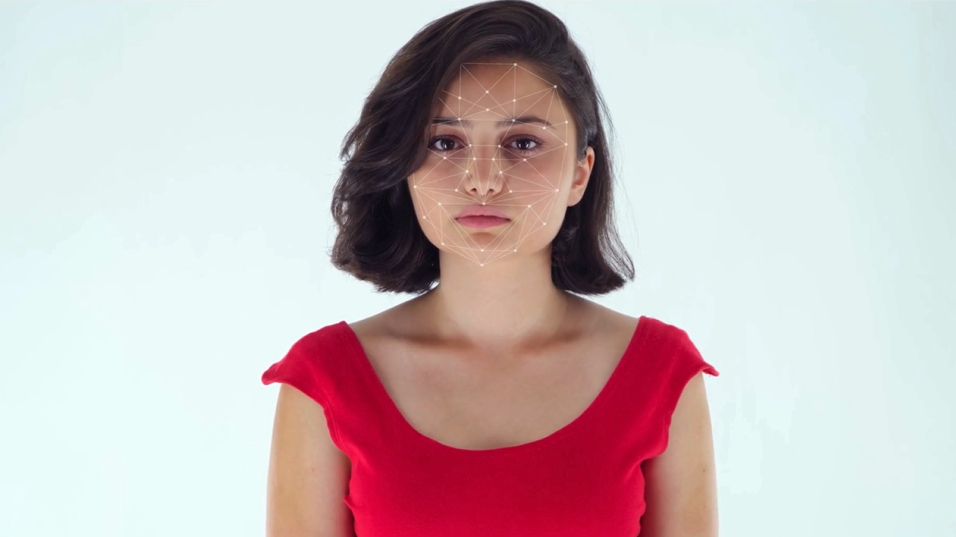
CypherFace inverts that sequence through liveness detection embedded directly into checkout flows. Before a purchase finalizes, the system scans the user’s face, measures depth and movement, and confirms that a living person matches the authorized account. Machine learning models trained on millions of fraud attempts identify spoofing techniques, such as printed photos, video loops, and deepfake animations, as they occur.
”We built the platform to verify users before money moves, not after it disappears,” Hassan explained. His team constructed the system around that principle, placing biometric gates at the exact point where stolen credentials are most likely to succeed. Criminals who use purchased card numbers are blocked at checkout when their faces fail to match the account holder’s encrypted biometric hash.
Encrypted Hashes Replace Vulnerable Credentials
Passwords leak. SMS codes get intercepted through SIM swaps. Security questions yield to social engineering. CypherFace replaces that vulnerable infrastructure with biometric authentication that converts each facial scan into an irreversible, encrypted hash.
Raw facial data never persists in readable form. The system captures biometric markers, instantly encrypts them, and stores only the cryptographic hash. Merchants receive verification results, authenticated or denied, without accessing actual biometric records. The architecture meets KYC and AML compliance standards while keeping user data encrypted, even by CypherFace.
Hassan launched the company after watching enterprises struggle with authentication systems that created as many problems as they solved. Customers forgot passwords, triggering helpdesk avalanches. Multi-step verification added friction, driving cart abandonment. Biometric authentication offered a solution, but most systems required specialized hardware or operated too slowly for real-time commerce.
Speed Meets Scrutiny At Scale
CypherFace verifies in under 2 seconds using standard smartphone cameras. The API plugs into existing payment infrastructure without requiring merchants to overhaul their platforms. Deployment scales from small e-commerce sites to processors handling millions of transactions monthly.
The system learns continuously, updating its liveness-detection models as new spoofing methods emerge. Criminals constantly test techniques, including better deepfakes, higher-resolution printed photos, and more sophisticated video manipulation. CypherFace’s machine learning adapts without merchants needing to reconfigure their integrations.
The company operates throughout North America and plans expansion into Canada and Mexico during 2026. “Criminals operate everywhere, so our solution had to work everywhere,” Hassan said. Synthetic identity fraud jumped 130 percent year over year as criminals refined methods to create clean KYC records that bypass document verification. “We designed CypherFace to address fraud regardless of geography or market,” he added. Facial liveness detection tied to real-time presence offers resistance that static checks cannot match.
Merchants deploying the platform report cleaner transaction records, reduced chargeback exposure, and higher trust metrics from payment processors. Each verified face creates an audit trail proving the authorized user completed the purchase. When disputes arise, merchants possess biometric evidence that the right person appeared at checkout.