

A child sits at a desk, letters swimming before her eyes. What should be “cat” becomes “tac” or “act.” A teacher sighs and marks another red X. The child’s mother works two jobs and cannot afford private, specialized tutoring. This is the reality the Dyslexia Tutoring Program (DTP) was built to address, quietly, accessibly, and at no cost to learners with language‑based learning differences from low-income communities.
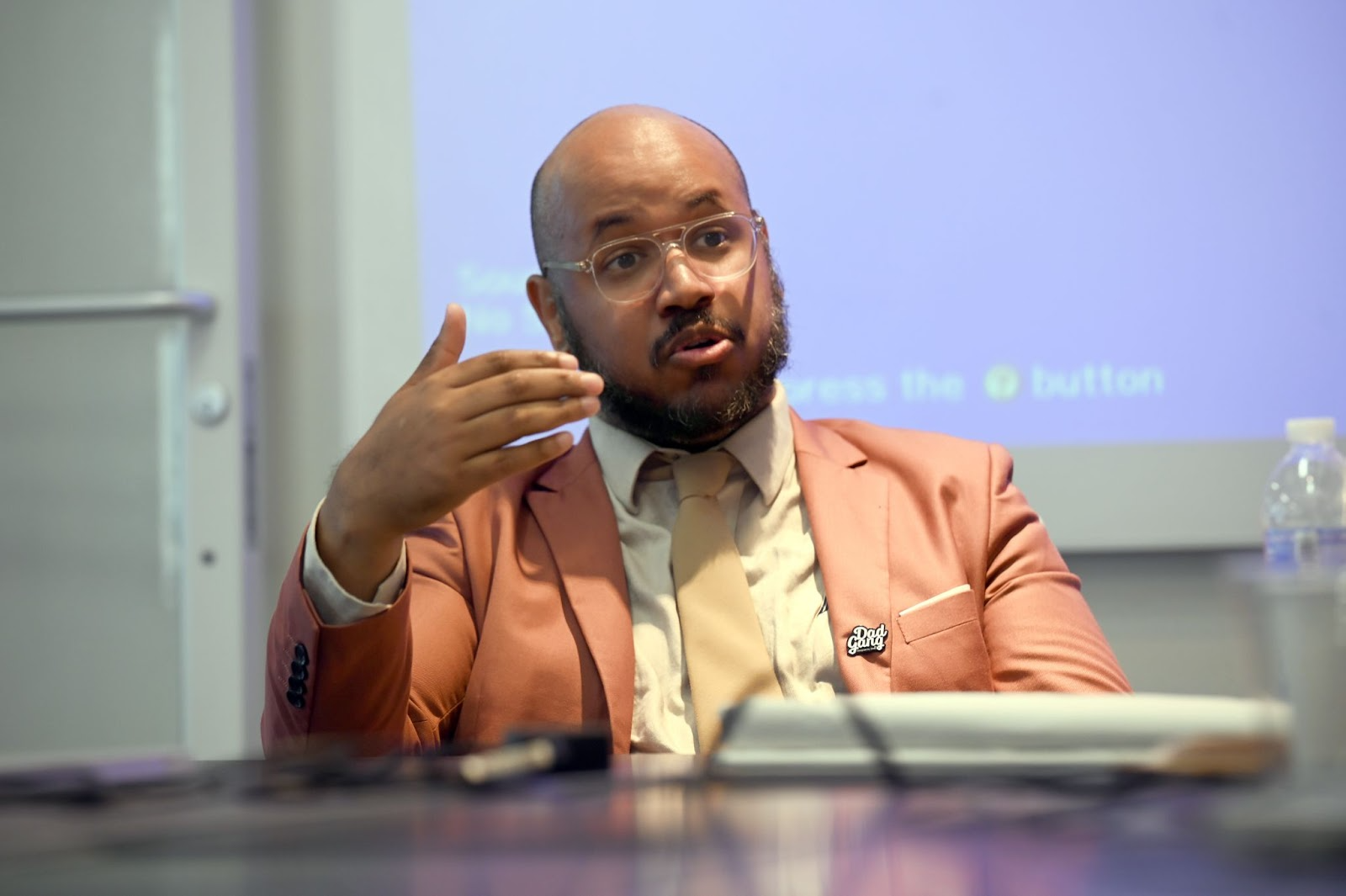
DTP has appointed Dalbin Osorio as executive director after four decades of following the chief executive officer model, a move that centers leadership reflective of the predominantly Black and brown communities the program serves. The transition marries a proven instructional model with explicit equity framing and operational focus: recruiting more volunteer tutors, enrolling more students, and channeling investment toward neurodivergent learners. Osorio is DTP’s first BIPOC executive director, a milestone the team views as part of a broader, long‑term equity journey.
Reframing neurodiversity as a strength
Osorio’s early tenure has sharpened DTP’s strengths‑based philosophy: Dyslexia is a different way of thinking with assets such as creativity, problem-solving, and pattern recognition. “We are moving beyond fixing what is wrong to amplifying what is right,” he says. The evolution emphasizes empowerment and measurable academic growth, aligning mission and method without diluting evidence‑based practice.
This reframing sits atop DTP’s year‑round, one‑to‑one model. Trained volunteer tutors use multisensory, Orton‑Gillingham‑based instruction to build reading, writing, and spelling skills. DTP preserves methodological rigor by keeping structured literacy at the core while elevating student assets. The approach supports academic outcomes and strengthens the student self‑concept for learners from Baltimore’s low‑income and Title I school communities.
Program innovation
DTP advances innovation in phases, clearly labeling proposals and pilots to distinguish design from delivery. The Project IGNITE proposal, an entrepreneurship and STEM incubator, aims to translate dyslexic strengths into real‑world problem-solving and leadership. It complements structured literacy by cultivating applied skills and confidence often overlooked in remediation‑only models while retaining decoding and fluency as essentials.
A proposed Tech Bootcamp, designed with partnerships with organizations like iMentor and Opportunity@Work in mind, would integrate technical training with mentorship, paid stipends, micro‑credentials, and a structured pipeline to employment. The concept recognizes that neurodivergent learners thrive when they have on-ramps and scaffolds built across the journey from instruction to placement by addressing training, support, and hiring pathways. These proposals outline a pathway from literacy gains to sustained economic mobility.
Equity and access
Private dyslexia tutoring often sits beyond the reach of families from low-income communities. DTP removes the cost barrier with free, one‑to‑one instruction from trained volunteers in the Orton‑Gillingham tradition. Year‑round programming emphasizes instructional dosage and continuity, which are critical for students whose needs are often unmet in traditional settings.
Sustained, evidence‑based intervention improves decoding, fluency, and comprehension while building confidence and engagement. The volunteer‑driven model expands community ownership of literacy, extends capacity beyond any single classroom, and reinforces the social infrastructure that supports student progress. Over 40 years, this model has reached thousands of children and adults, anchoring DTP’s reputation for access and rigor.
Holistic support beyond the classroom
Under Osorio’s leadership, DTP is aiming to pilot whole‑child supports that integrate mental wellness with creative expression. The “Amplifying Voices” proposal combines storytelling with clinically supervised wellness circles to help students process school‑based adversity and reframe their identities as capable learners. The program addresses stressors, erasing motivation and readiness by embedding psychosocial support alongside literacy.
Ideas like these support, complement, and do not replace structured instruction. The team stabilizes and validates learners first, then extends skill‑building using disciplined, multisensory pedagogy. The approach recognizes that academic growth and emotional well‑being move together for students with language‑based learning differences.
Summer continuity and partnerships
DTP secures access to specialized summer camp experiences through partnerships with the Jemicy School and the Odyssey School to prevent summer learning loss. Students receive intensive, high‑dosage instruction in environments tailored to language‑based learning differences, sustaining the momentum built during the school year. This continuity strengthens gains for students from low‑income communities and reduces regression that can widen achievement and opportunity gaps.
Specialized schools expose students to multisensory, research‑based techniques in settings designed for dyslexic learners. Extending structured literacy beyond the academic calendar converts incremental gains into durable proficiency. Families gain consistent access to environments that align with learner needs and strengths, reinforcing the program’s strengths‑based philosophy in practice.
Expanding innovation: materials science micro‑grants
DTP is developing applied learning opportunities that link literacy with inquiry and expression. The proposed Materials Science Innovators Grant Program would fund teachers at Jemicy and Odyssey to implement hands-on projects culminating in a head‑to‑head science fair. The initiative uses authentic, project‑based learning to reinforce literacy and showcase strengths of design, problem-solving, and communication.
The program aims to increase engagement and support skill transfer across domains by tying experiential learning to structured literacy. Milestones such as prototypes, presentations, and competition outcomes motivate students and families while giving educators actionable insight to refine instruction. These applied experiences complement DTP’s core tutoring model and underscore the organization’s strengths‑based approach.
Building pathways to economic mobility
Workforce initiatives connect literacy to opportunity. Project IGNITE, another of Osorio’s proposals in design stage, would run parallel with DTP’s tutoring services to build entrepreneurial and STEM capacities, positioning neurodivergent students to apply their strengths in tangible, career‑relevant contexts. These concepts align program design with long‑term outcomes and extend DTP’s impact from literacy to economic participation. They reflect a logical goal: activate investments in neurodivergent learners as part of a broader equity strategy.
A 40‑year foundation, a new chapter
For four decades, DTP has delivered free, one‑to‑one, multisensory instruction through a volunteer‑driven model to thousands of learners. That continuity anchors current innovation, ensuring new pilots complement the proven core of Orton‑Gillingham‑based tutoring. The equity‑driven mission focuses on serving learners from Baltimore’s low‑income and Title I school communities facing systemic barriers to specialized support.
Osorio is stewarding this chapter with an equity‑centered lens that reflects DTP’s communities and advances its mission. Leadership representation, strengths‑based framing, and careful piloting of adjacent supports signal an organization evolving responsibly while protecting the rigor of its foundational service. Priorities are clear: recruit more volunteer tutors, enroll more students seeking free specialized literacy support, and scale programs through investment aligned with learner needs.
A clear call to action
Immediate goals set a practical path forward. The team will recruit more volunteer tutors to meet demand, enroll more students seeking free, specialized literacy support, and activate investments to scale pilots and partnerships. The team will track progress through tutor training cohorts, student intake metrics, and pilot funding milestones.
The work is steady, human‑centered, and measurable. The team believes amplifying strengths guides dyslexic students toward stronger reading and more self‑determined lives. By aligning method, message, and mission, DTP is positioning literacy as a platform for agency and leadership throughout Baltimore and, as capacity allows, across Maryland.