
Under the leadership of CEO Decha Brooks, Enchanted Fairies has achieved what many business schools would consider impossible. The company has grown from 7 studios in 2021 to 40 locations across 25 states, posting 341% revenue growth and reaching $30 million in annual revenue while serving over 135,000 families. Yet here is the twist: through session fees and generated revenue, the company has proudly donated over $3 million to charitable causes to date.
This model shows how millennial parents approach consumption. Unlike previous generations who might have viewed charity and luxury as separate categories, today’s parents increasingly demand that their spending align with their values. Brooks has tapped into this zeitgeist with precision.
“Our mission has always been to create art that speaks life into children,” Brooks explains. “We celebrate children’s natural beauty without extensive editing or photoshopping, which resonates with millennial parents seeking authentic experiences for their children.”
The Economics of Authenticity
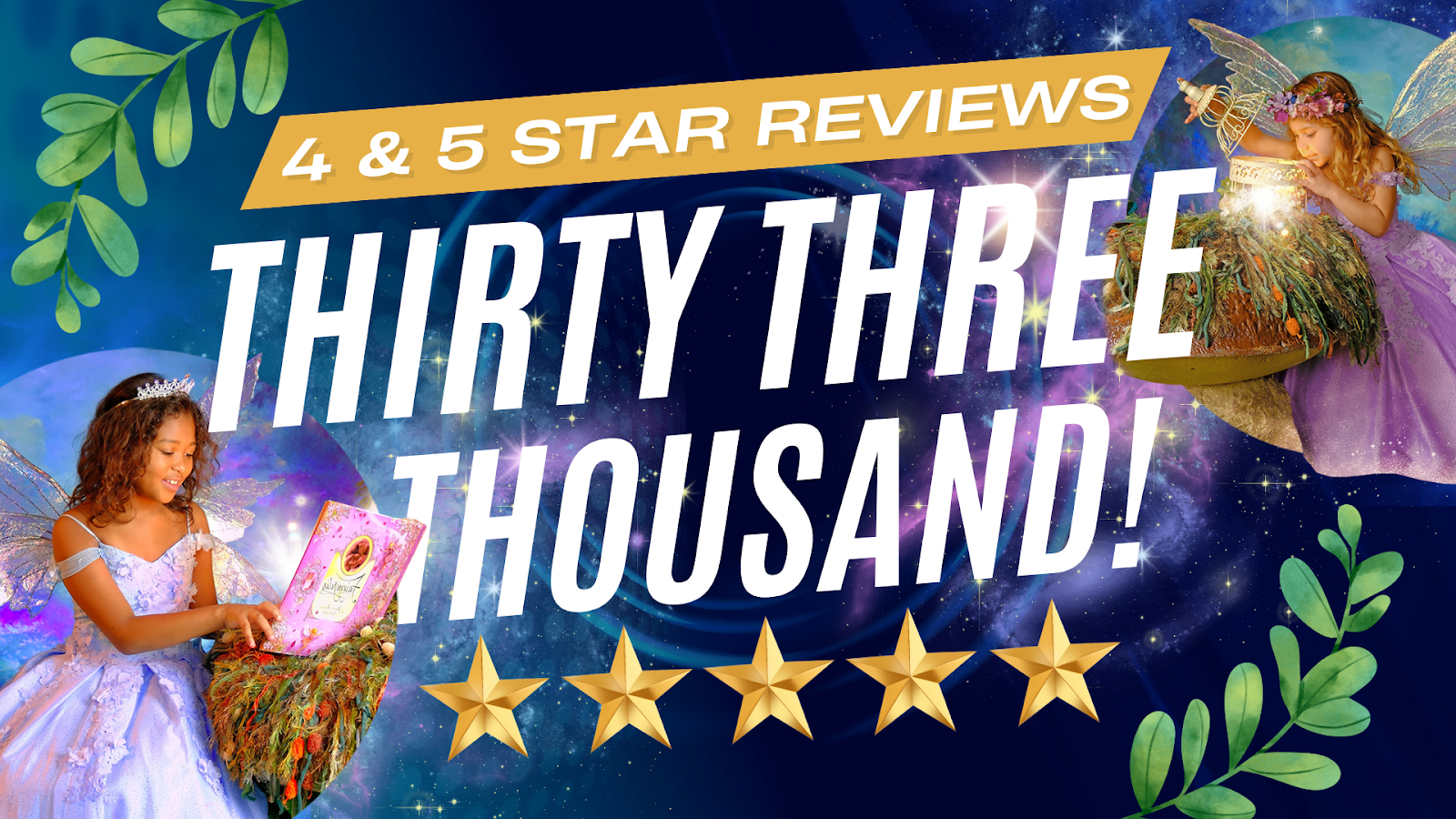
The numbers tell a story about changing consumer preferences. While traditional portrait studios compete primarily on price and convenience, Enchanted Fairies has built its success on authenticity. The company’s sessions are invite-only in select locations, creating exclusivity that appeals to parents seeking special experiences for their children. This approach has resulted in over 33,000 four and five-star reviews from customers.
But the real genius lies in the business model itself. By donating a portion of revenue to charity, Enchanted Fairies creates what economists call a “warm glow” effect. Parents feel good about the purchase decision, which makes them more likely to upgrade to premium packages where the company generates its actual revenue. This psychological pricing strategy turns charitable giving into a customer acquisition tool.
The company’s charitable partnerships reflect careful thinking. In 2024, Enchanted Fairies donated $500,000 split across organizations including Inspiring Children’s Foundation, Base Camp, and St. Jude’s Children’s Hospital. The largest single donation of $250,000 went to St. Jude Children’s Research Hospital, a choice that relates powerfully to parents who can easily imagine their own children needing such care.
Leadership in the Age of Purpose
Brooks brings a unique perspective to this business model, combining more than two decades of experience across diverse industries with a sophisticated understanding of what she calls “People Operations.” Her background includes serving as HR Executive at the Dallas Cowboys and CEO & CHRO at Beyond Health Management Solutions, experiences that taught her how to build cultures that deliver both performance and satisfaction.
This shows how successful companies operate in the 21st century. Enchanted Fairies has been recognized as #26 on Fortune’s Best (Small & Medium) Workplaces in Texas 2024, with 90% of employees reporting it as a great place to work compared to 57% of employees at typical U.S.-based companies.
The company’s employee recognition programs read like a case study in modern motivation theory. Each month, five outstanding employees receive “Starfire” awards, with first place receiving $1,500 cash. This level of investment in employee satisfaction reflects Brooks’ understanding that in service businesses, employee engagement directly translates to customer experience.
What’s Next?
Brooks has authored a book titled “Tri-Leader: The Coach. The Cheerleader. The Teammate,” which introduces her leadership philosophy emphasizing connection. She has filed for trademark protection of this concept, suggesting plans for influence aside from the portrait industry.
The real test of this model will come during economic downturns, when discretionary spending on luxury services typically declines. This may determine whether Enchanted Fairies represents a temporary trend or a permanent change in how American families think about consumption, values, and the memories they create for their children.