

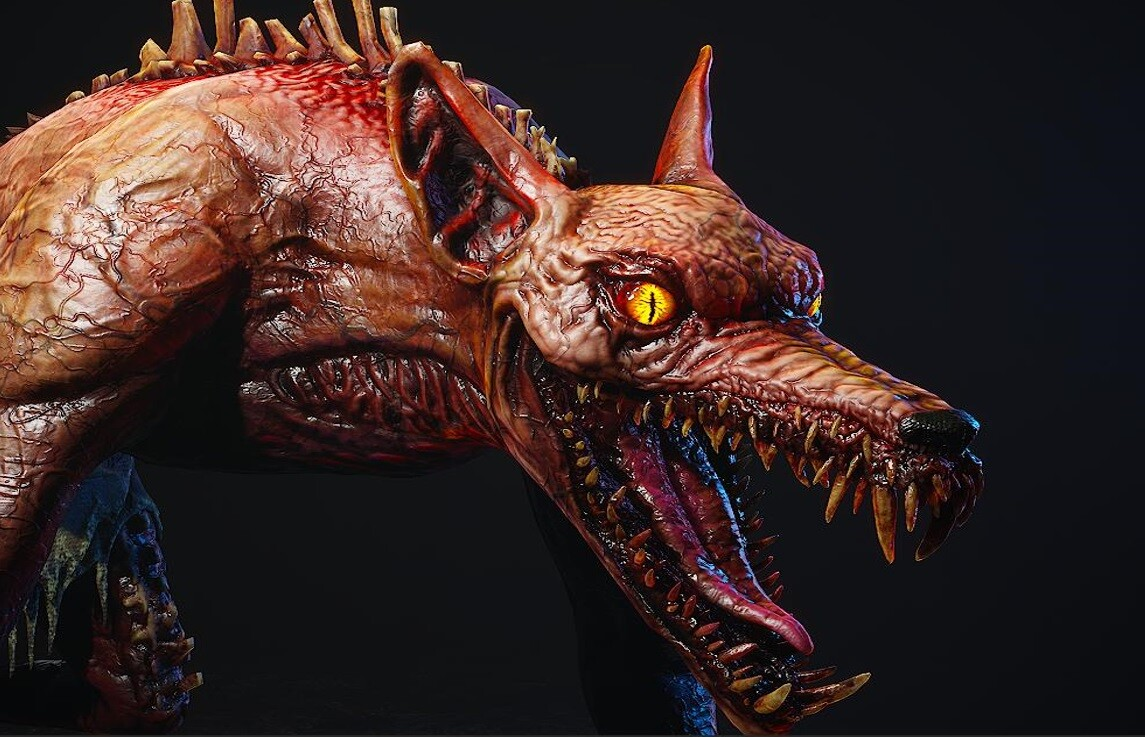
Independent game developer Lonely Rabbit is bringing familiar spaces into unsettling focus with Midnight Strikes, its upcoming psychological horror adventure. The game draws heavily from settings rooted in youth – an abandoned high school, a carnival devoid of joy, and dense forests that conceal unseen threats. These locations are not only backdrops but active components of the gameplay, shaping the tension and pacing of the experience.
Spokesperson Maria Pulera says the design team concentrated on turning comforting memories into spaces of quiet dread. “We wanted to design spaces that feel like distorted memories,” Pulera explains. “The forest, in particular, plays on a deep-rooted fear of the unknown. It is a place that should bring peace, but in the world of ‘Midnight Strikes,’ it turns into something much more unsettling.”
The concept and characters originated from the imagination of an eight-year-old, which the developers say brings an unfiltered perspective to the game’s tone. Childhood fears, often simple yet potent, have been reinterpreted into interactive environments that combine nostalgia with uncertainty.
Psychological Tension Over Jump Scares
Rather than relying on traditional horror mechanics, Midnight Strikes builds its atmosphere through sound design, lighting, and unpredictable enemy behavior. The game’s AI system allows enemies to adapt to player actions, reducing predictability and keeping encounters tense.
This focus mirrors a trend within the indie horror sector toward narrative-driven experiences.
Pulera says the intent is to sustain fear rather than deliver fleeting shocks. “The horror does not come from overwhelming enemies but from the feeling that something is always watching, just out of sight,” she notes. By slowing the pace, the game encourages players to think strategically about movement, resource use, and puzzle-solving.
Puzzles As Gateways To Progress
The game’s seven levels combine survival elements with environmental puzzles, requiring players to engage with their surroundings. In the high school setting, locked classrooms and dimly lit corridors force players to make calculated choices about where to search for clues. The carnival section uses layout and sound to disorient players, with rides and attractions serving as both obstacles and cover.
Industry data suggests that such puzzle integration can help sustain player engagement. Games that blend cognitive challenges with suspense often see higher replay rates, particularly among players seeking variety in horror titles. For indie developers, balancing difficulty without alienating players is critical, as smaller teams have fewer opportunities to release follow-up content if initial reception is poor.
Pulera says the team deliberately linked puzzle solutions to the game’s themes. “Every decision matters,” she says. “The puzzles and interactive elements force players to engage with their fears rather than escape them.” This integration is intended to make progression feel both earned and immersive.
Market Position And Future Prospects
The psychological horror niche is competitive, but it also offers room for new entries that avoid oversaturation in gore-heavy subgenres. By drawing from childhood experiences, Midnight Strikes positions itself within a small but distinct category of horror that blends nostalgia with fear.
If Lonely Rabbit secures a publishing deal, distribution could extend beyond core PC gaming markets to consoles and potentially cloud platforms. Such expansion would place the title in direct competition with larger studios but also give it access to broader demographics, particularly younger players drawn to stylized rather than hyper-realistic horror.
For now, the game’s release timeline will depend on development progress and the outcome of ongoing publisher discussions. Whether the haunted high school corridors and deserted carnival midways of Midnight Strikes find their audience will depend on how successfully Lonely Rabbit can translate its atmospheric design into sustained player engagement.