

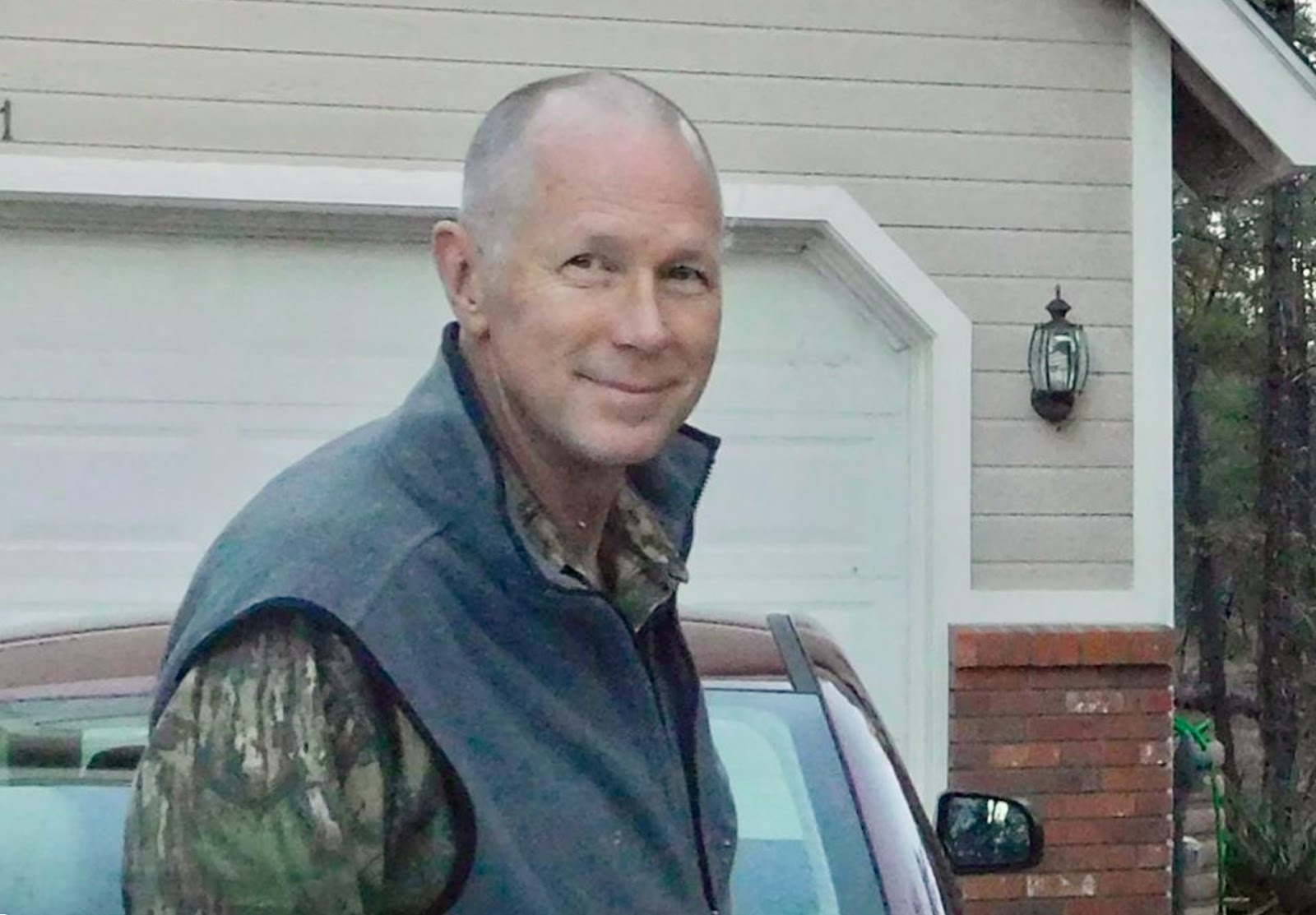
Tracy Cassity spent the COVID-19 pandemic doing what most mental health professionals could not — keeping his doors open, his caseload at 150% of prior-year capacity, and documenting clinical outcomes that challenge a century of psychiatric convention. His new book, Extraordinary Mental Wellness: A Proven Pathway Out of Darkness and Despair, Trauma Conversion Therapy Remission Outcomes, compiles three years of client-reported data from 750 cases treated with Trauma Conversion Therapy (TCT).
It is a methodology that, according to Cassity, produced an 86% rate of symptom remission within six sessions or fewer. The claim is extraordinary. In a field where “significant change” — a marginal shift on a standardized scale — is the prevailing benchmark, Cassity is documenting something the mental health establishment has long maintained is not possible: full remission across multiple diagnoses, including depression, PTSD, bipolar disorder, OCD, anxiety disorders, and eating disorders.
The Numbers Behind The Claim
The book presents outcome data collected from 2020 through 2022, measured using the Outcome Questionnaire (OQ-45.2), a widely validated patient-reported instrument recognized as one of the most peer-reviewed assessment tools in mental health research. In 2020, 84 of 114 total clients — 73.68% — resolved to subclinical levels. Of those, 85.7% achieved remission in six sessions or fewer, and 53.57% resolved in four or fewer.
By 2021, 76 of 102 clients had reached full remission, with 21% achieving it in a single session. By 2022, 98.6% of compliant clients were resolved in 12 sessions or fewer. “Remission means zero symptoms, done with therapy and medicinal support. In short, healing,” Cassity writes. In a field where the American Psychological Association reported in 2022 that most practitioners had no openings for new patients and waitlists were longer than ever, these numbers warrant attention — whether viewed with hope or skepticism.
What Is Trauma Conversion Therapy?
TCT was developed by Patrick Poor, a Licensed Marriage and Family Therapist who specializes in trauma and dissociative disorders and serves as a continuing education provider for the California State Board of Behavioral Sciences. Poor built TCT on a premise that diverges sharply from mainstream practice: that unresolved emotional pain — particularly trauma stored through dissociative processes — is the root cause of most mental health diagnoses, and that treating the pain rather than managing symptoms allows clients to heal rapidly.
Where standard approaches such as Cognitive Behavioral Therapy (CBT) or Acceptance and Commitment Therapy (ACT) focus on restructuring thought patterns or building tolerance, TCT aims to convert traumatic experiences that remain emotionally active into processed memory — eliminating the pain that drives symptoms.
Cassity, a UCLA-trained Licensed Clinical Social Worker who studied directly under Poor, integrates a spiritual framework into his application of TCT. He argues that secular bias in modern psychiatry systematically excludes spiritual considerations from clinical practice, to the detriment of patients. “Secular bias can’t reinvent faith or science,” he writes, “but it can corrupt both”.
A Practitioner Who Stayed Open
During the COVID-19 pandemic, the World Health Organization reported that 93% of countries experienced disruptions to mental health services. The APA’s own surveys documented surging demand — 79% of psychologists reported increased anxiety disorder caseloads, and burnout among providers reached persistently high levels.
Against that backdrop, Cassity was the only mental health therapist in his service system who remained fully operational, treating clients at 150% of prior-year capacity while maintaining documented remission outcomes. His book frames this not merely as a logistical achievement but as evidence that TCT’s rapid resolution model is structurally different from approaches that depend on extended session counts and ongoing management.
52 Case Studies And A Challenge To Orthodoxy
The book is organized into four parts: an examination of the limitations of current secular approaches; a philosophical and spiritual framework underlying TCT; 52 detailed case studies; and conclusions on the implications for the field. The cases span a wide clinical range. In one, a client with a long-established bipolar diagnosis achieved full symptom correction after a handful of sessions.
In another case, a client with severe PTSD held in solitary confinement showed marked improvement using TCT skills without any disclosure of the traumatic event itself. Cassity acknowledges that institutional resistance has been consistent. When he documented a client’s bipolar remission, leadership questioned the diagnosis rather than the result. “No one ever corrects bipolar disorder,” they told him. “Therefore, if she had no symptoms now, she must not have had it then”.
The Broader Implications
The book arrives at a moment when the mental health industry is projected to reach $576 billion annually by 2033. Cassity argues that much of that spending is built on a model of perpetual care — clients who improve marginally but return indefinitely — rather than one oriented toward resolution.
“A large body of replicated remission outcomes across diagnoses has never been documented or considered possible in any institution before now,” he states. “Professionals don’t use the word healing for fear of sounding too religious, but how professional is it to ignore the injured portion of the human soul?
