

Tattoo culture has long carried an image of spontaneity: a flash design on the wall, a spare hour in the afternoon, a quick decision that becomes permanent. That model still exists, but it no longer defines the industry’s top end. A new generation of studios and tools is reframing tattoos as carefully planned experiences, shaped by design-led spaces and digital platforms rather than chance and guesswork.
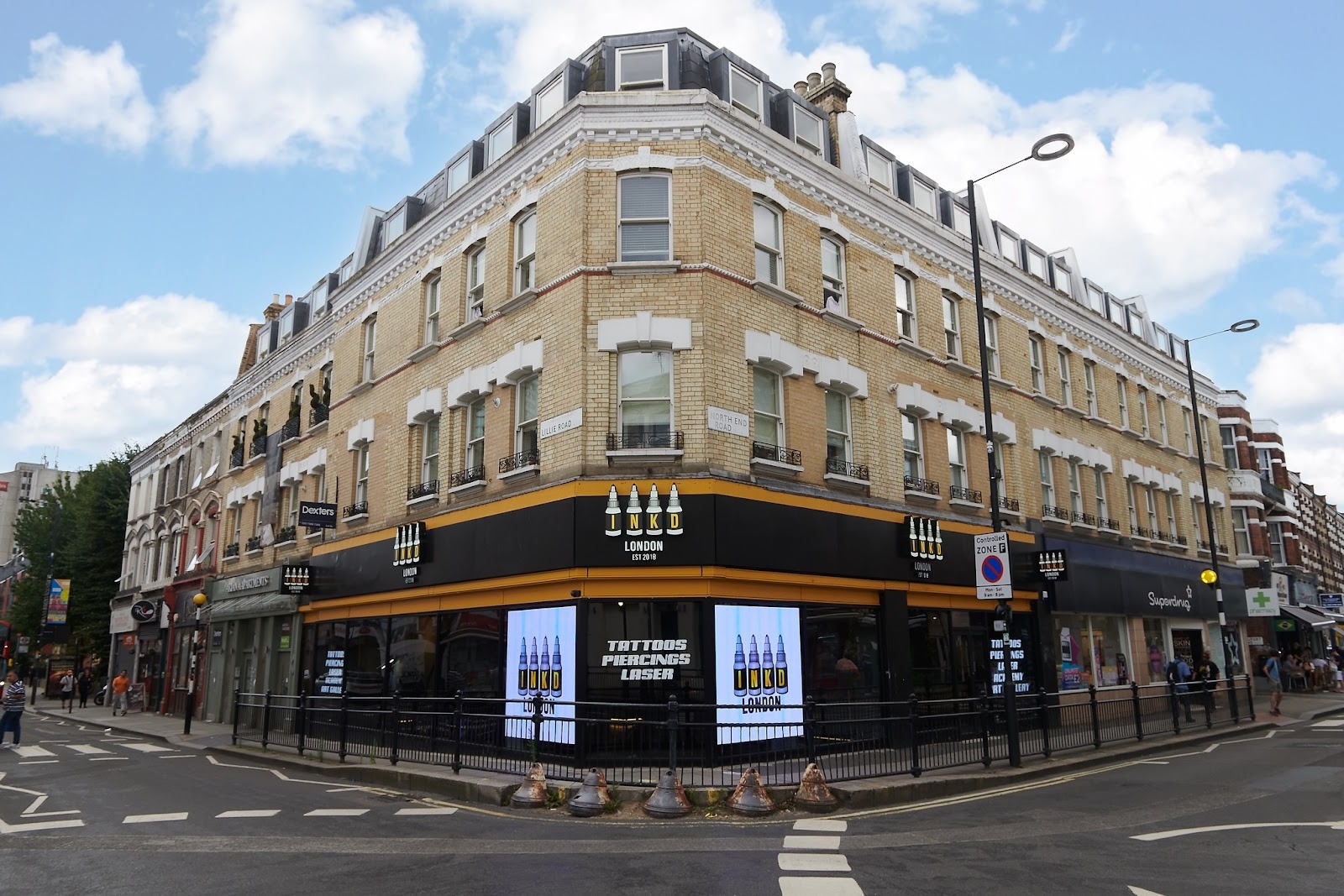
INK’D London, a tattoo studio in Fulham, and PRIC’D, a tattoo visualization and booking app, capture that shift in one ecosystem. The studio shows what happens when body art is treated with the care usually reserved for luxury beauty and fashion, while the platform reveals how technology can support that approach far beyond a single postcode.
“For a long time, tattoos were treated as this off-to-the-side thing you just get done,” says INK’D London and PRIC’D founder Kayhan Kiani. “We wanted to build an experience where clients feel looked after from the first idea to the healed tattoo—and that meant rethinking both the studio and the software.”
Inside An Experience-Led Studio
Step inside INK’D London and the first impression is not of a traditional parlour. The space stretches across floors on North End Road, with a bar-style reception, pool tables, a chillout area, and private rooms for tattoos, piercings, and laser removal. Lighting is soft but functional, walls feature artworks, and the overall feel is closer to a contemporary lounge than a backstreet shop.
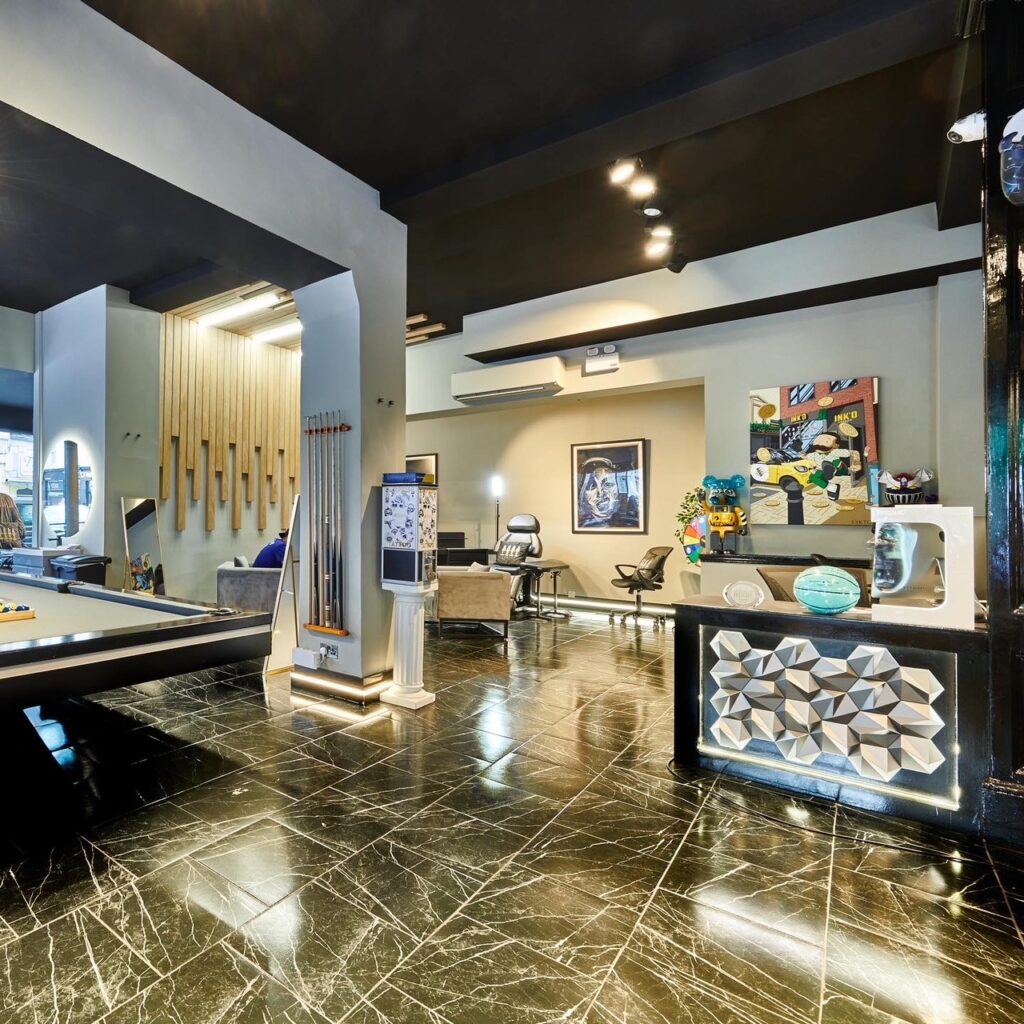
Photo courtesy of INK’D London
The emphasis on experience runs through even the smallest details. Clients are greeted, seated, and guided through paperwork and consultations in a way that feels structured rather than improvised. Many arrive having already researched specific artists from INK’D London’s team page, which highlights specialisations including fine line, realism, Japanese, and micro-realism, alongside guest artists from abroad.
Hygiene standards and equipment are presented as non-negotiable foundations. From there, the focus shifts to comfort: breaks are encouraged on long sessions, drinks and conversation soften nerves, and the layout allows for both privacy and a sense of community.
Kiani says the design choices were deliberate. “We wanted to get away from the cliché of the dark, intimidating shop,” he explains. “If someone is trusting you with their skin, they deserve a professional environment that feels clean, open, and welcoming. The studio is part of the service.”
That attitude aligns with broader shifts in the tattoo market, where clients look for reviews, portfolios, and atmosphere before they ever ask for a quote. The studio also leans into its role as a destination. Travellers book appointments as part of London itineraries, often pairing visits with nearby food and shopping.
For many, a session at INK’D is as much about how they are treated as it is about the final image. It is marked as a place where people can get tattoos and piercings in a setting that feels considered, safe, and deliberately designed.
PRIC’D And The Platform Mindset
If INK’D London represents the physical side of this evolution, PRIC’D is the digital arm. The platform grew from a simple observation: too much of the tattoo booking process still happens through scattered messages, vague descriptions, and manual quoting. Clients struggle to visualise how a design will look on their body; artists lose hours answering inquiries that never turn into appointments. PRIC’D was built to address both problems at once.
The app allows users to upload or select a tattoo design, choose a placement, and see a true-to-life 3D rendering on a body model with their approximate shape and skin tone. They can rotate the image, zoom in, and experiment with different sizes or locations, turning abstract ideas into concrete previews before any stencil is applied. That visual clarity tackles one of the biggest sources of anxiety: uncertainty about how a piece will actually look once it wraps around muscle and bone.
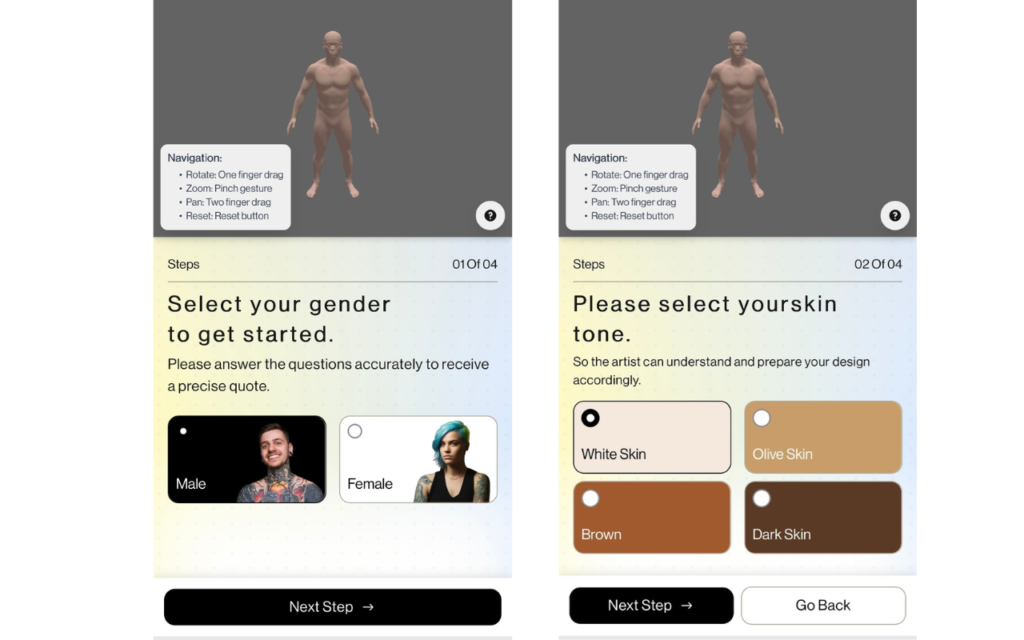
Photo courtesy of PRIC’D
PRIC’D adds another layer by folding pricing into the same interface. Studios set rules for how size, placement, and complexity affect cost. As clients adjust their design on-screen, the estimated price updates in real time. They no longer have to send a message asking, “How much for this?” with a blurry reference image and hope for a quick answer. Instead, they see a ballpark figure before they ever hit send.
Early numbers from studios using the system suggest that this transparency does more than smooth communication; it filters out casual browsers and encourages serious clients to commit. Some report conversion rates improving by as much as 80% once PRIC’D is integrated into their booking flow.
Kiani mentions, “If you are investing in something permanent, you should know what it will look like and what it will cost before you walk through the door. PRIC’D gives that clarity to clients and gives structure to studios, so everyone’s time is respected.”
For INK’D, PRIC’D has become part of how the studio deals with demand. International clients can experiment with ideas from home, settle on a size and placement that fits their budget, and then book a trip to London around a confirmed appointment rather than a tentative conversation. Artists, on the other hand, start consultations with a clearer brief after seeing what the client liked in the app.
That framing positions the platform not as a replacement for artists, but as infrastructure: a way to bring order, predictability, and a high standard of service to an industry that has often relied on intuition and ad hoc systems.
An Experience-Led, Tech-Driven Future
Taken together, INK’D London and PRIC’D offer a glimpse of what a more experience-led, tech-driven tattoo future might look like. When clients enter INK’D, the environment matches the professionalism implied by the PRIC’D. The studio is clean, spacious, and organised; the artist is prepared; the session runs in a way that prioritises both outcome and comfort.
Afterward, aftercare products and clear instructions support healing, and the relationship does not end at the door. For clients, the experience feels coherent from phone screen to studio chair.
Kiani argues that this is how the industry needs to move if it wants to keep pace with changing expectations. “People are used to seamless journeys in other parts of their lives, from booking travel to buying fashion,” he says. “Tattoos should not lag behind. The future belongs to studios that offer a great experience on the ground and platforms that make the process smart and simple behind the scenes.”
That future does not mean every shop will look like INK’D or every artist will use PRIC’D. It does suggest that the days of relying on chance walk-ins and opaque communication are numbered, particularly at the top end of the market.