

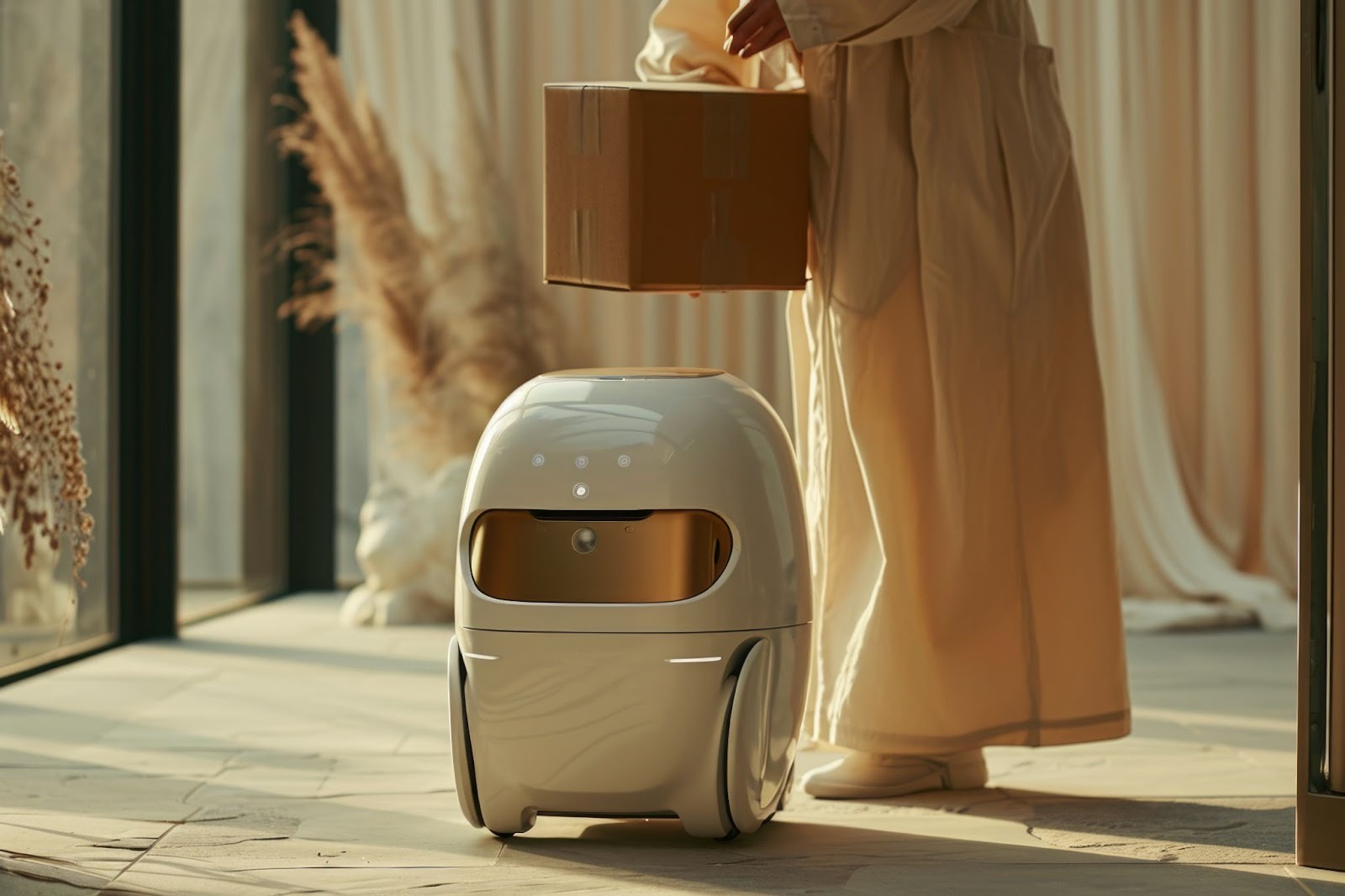
Hotel corridors used to quiet down after midnight, broken only by the rumble of carts and the soft knock of room service. Those hours now belong to machines that glide, pause, reroute, and wait without complaint. Hospitality has entered a phase where service robotics no longer read as novelty. They read as infrastructure. Workwise Roboticsstands at the front of that change, supplying systems that hotels rely on when staffing thins and expectations stay high.
Guest services face pressure from two sides. Travelers expect speed and consistency, while operators struggle to staff every desk, hallway, and delivery run. Robots fill those gaps with calm reliability. Workwise Robotics built its reputation by focusing on daily hotel realities rather than spectacle. Devices handle deliveries, guide guests through large properties, and support staff rather than crowd them out. Hotels adopt these systems because they work quietly and predictably, and because guests accept them as part of the stay rather than a distraction.
Service robotics now shape how hospitality scales without eroding service standards. Workwise Robotics benefits from that momentum, yet its role goes deeper than timing. The company has learned how hotels function under stress, how front desks juggle arrivals, and how night crews stretch thin. Products reflect those lessons. Reliability matters more than flash. Hotels choose partners who understand operations at ground level.
Labor Gaps And The Rise Of Mechanical Colleagues
Labor shortages forced hospitality to make hard choices. Reduced housekeeping schedules and limited room service risked guest frustration. Robots offered relief without changing brand identity. Workwise Robotics gained traction by positioning machines as support staff that handle repetitive runs, late-night requests, and long corridors. Human teams redirect attention toward moments that demand judgment and warmth.
Hotels deploying these systems report calmer shifts and fewer service bottlenecks. Guests notice faster responses and fewer delays, while staff report less physical strain. Robotics settle into routines the same way bell carts and elevators once did. Initial curiosity fades, replaced by trust.
A senior leader at Workwise Robotics described the change in simple terms. “Hotels did not ask us to replace people. They asked us to keep service steady when hiring fell short.” That framing explains why adoption continues even as labor markets fluctuate. Robots remain useful long after urgency fades.
Service robotics have shifted expectations. Guests order towels at midnight and receive them without apology or delay. Staff clock out knowing coverage remains intact. Workwise Robotics positioned itself as a partner that respects both sides of that equation.
Ten Years Of Shared Service
Predictions about the next decade focus less on machines doing more and more on people working differently. Human teams will supervise fleets, troubleshoot issues, and decide when a guest prefers a person rather than a device. Workwise Robotics already plans around that balance. Systems report status clearly and step aside when human judgment matters.
Future hotels will likely assign robots the tasks nobody wants during long shifts, while people handle moments that carry emotional weight. Service robotics will learn hotel layouts deeply, navigating changes in traffic patterns and seasonal demand. Workwise Robotics continues refining systems so adaptation happens quietly, without guest disruption.
Training changes follow close behind. Staff learn how to interact with machines the way they once learned property management software. Comfort grows through use. Fear fades through familiarity. Robotics become colleagues rather than curiosities.
Ethical concerns surface in every automation debate, and hospitality proves no exception. Workers worry about job security. Guests worry about depersonalization. Workwise Robotics addresses those concerns through restraint. Machines operate within narrow tasks, leaving decisions and conversations to people. “Hospitality depends on human judgment,” another company representative said. “Our role stays limited to support.”
That boundary shapes trust. Hotels continue adopting service robotics because they see intent reflected in behavior. Guests accept robots because service quality rises rather than flattens. Staff accept them because workloads ease without erasing roles.
The night shift no longer signals scarcity. Corridors rustle with quiet motion, and service continues without interruption. Hospitality adapts by blending steel and courtesy in careful proportion. Workwise Robotics understands that balance, and its systems settle into hotels the way any good service does, present when needed, invisible when not.