

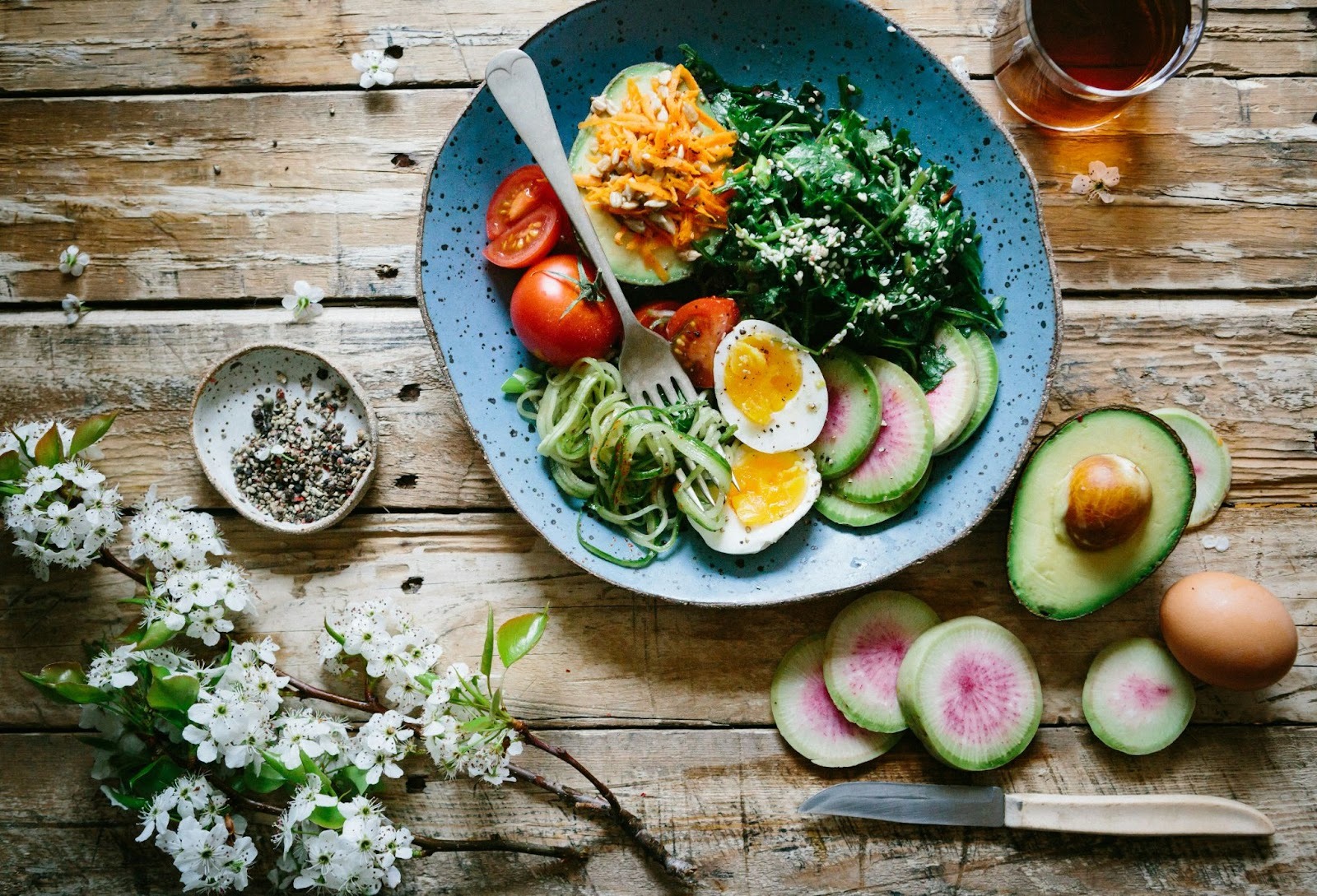
Something has changed in the way people think about getting older. The question is no longer simply how long a person will live. It is how well. Across the United Kingdom, the United States, and most of the developed world, a growing number of consumers are less focused on adding years to their lives and more focused on adding life to their years. That distinction, subtle as it sounds, is reordering an entire industry.
The healthy aging supplement market has responded accordingly. Products promising to slow cellular decline, sharpen cognition, and preserve physical capacity have multiplied rapidly. Elysium, Novos, and Donotage each occupy credible space in this conversation, largely built around single-compound science: one molecule targeting one biological pathway. The model has commercial logic. It is easy to explain, easy to market, and easy to sell. Whether it reflects the full complexity of how the human body ages is a separate question entirely.
DailyColours is offering a different answer. The company, co-founded by Hartley Pond and Carl Randall and developed with the scientific input of Colin Rose BSc, Fellow of the Royal Society of Arts and Senior Associate of the Royal Society of Medicine, will release its flagship colour nutrition supplement on May 11th. What makes the announcement worth attention is not the product alone. It is the science the company has spent four years assembling to support it.
The Colour No One Was Counting
The Mediterranean Diet has been studied longer and more thoroughly than almost any other eating pattern in modern nutritional science. Research has linked it to reduced rates of cardiovascular disease, cognitive decline, and early mortality. Populations that eat this way consistently outlive and out-perform those that do not. The evidence base is, by any measure, one of the most robust in the field.
What has remained less resolved is the mechanism. Researchers have attributed the diet’s benefits to olive oil, to fish, to fiber, to the relative absence of processed food. Each explanation holds partial truth. DailyColours pursued a different line of inquiry and arrived at a finding that earned the company multiple international patents: the colour pigments in Mediterranean plant foods are biochemically active nutrients, and their combined effect across five colour groups produces a synergistic anti-aging outcome that no single colour group generates alone.
Red plant foods, green plant foods, blue-purple, orange-yellow, and the broader phytonutrient spectrum each contribute something distinct. Consumed together, the research found, they produce a measurably stronger protective effect than any one group delivers in isolation. That discovery sits at the core of the DailyColours formula, which packs 161 nutrients derived from Mediterranean plant sources into a single daily supplement. Patent authorities, whose standards require demonstrated scientific originality, granted the company international protection for that finding. That kind of recognition is rare for any natural health product.
What The Trials Showed
The company did not stop at theory. DailyColours submitted its formula to clinical trials at King’s College London and the University of Exeter, two institutions whose research standards carry weight well past the supplement aisle.
The outcomes were clear. Trial participants recorded “significant improvements in cognitive performance” and “significant improvements in physical fitness outcomes.” A clinical trial summary stated that DailyColours “mimics the Mediterranean Diet,” a conclusion that, given the diet’s standing in nutritional science, represents a significant claim with significant evidence behind it.
Participant feedback from the trials was reported as excellent, and the product has since earned the backing of NCIM, the National Centre for Integrative Medicine. Institutional support of that kind does not arrive without scrutiny. NCIM’s alignment with DailyColours adds a layer of independent credibility that most supplement brands, regardless of their marketing spend, cannot purchase or manufacture.
A Category, Not Just A Product
The most consequential aspect of what DailyColours is bringing to market may be structural rather than nutritional. The company is staking a claim on an entirely new supplement category, one it calls colour nutrition, and making the argument that the industry has been measuring the wrong variables.
Most healthy aging supplements ask which compound produces which effect. Colour nutrition asks which combination of whole plant foods, across which colour spectrum, produces the outcomes that populations eating the Mediterranean way have demonstrated for generations. The answer, DailyColours argues, is not found in isolating one molecule. It is found in replicating the pattern.
That argument now has clinical trials behind it. It has international patents protecting it. It has an NCIM partnership lending it institutional standing. What it does not yet have is a consumer market, a gap the May 11th UK release is meant to close, with US expansion anticipated to follow within twelve months.
The people most likely to pay attention are the ones who have already grown skeptical of single-compound promises. They are not looking for a magic bullet. They are looking for something that works the way the evidence suggests the human body actually responds to nutrition: broadly, synergistically, and over time. DailyColours is making the case that colour is where that answer begins.