

In the blur of a packed Melbourne nightclub more than a decade ago, what once read as just another celebrity cameo has returned to the spotlight with a far darker tone. An Australian performer has alleged that a well‑known American singer crossed a boundary in a way that has stayed with her for years, lingering as a private trauma long before it became a public headline.
Only recently did she decide to put that memory into words, describing an encounter she says unfolded on a crowded night in 2010 at a venue in the city’s central business district. According to her social media posts, the episode was shocking enough that it altered how she moved through nightlife spaces and how she understood power, fame, and consent. For the singer at the center of the allegation, those same posts have triggered an entirely different reckoning, with her team categorically rejecting the account and framing it as a dangerous distortion.
From Social Post To Police File
The story first surfaced not in a courtroom but in the scrolling feed of a social platform, nestled amid pop culture chatter and reactions to festival performances. In comments that quickly circulated, the Australian actor claimed that the chart‑topping artist initiated non‑consensual contact during that long‑ago night out, and that it had taken nearly two decades for her to feel ready to say so publicly. Her posts were blunt, graphic, and emotional, written in the language of someone trying to reclaim control over an event she felt had narrowed her sense of safety.
As the remarks ricocheted across entertainment blogs and fan accounts, the accused performer’s representatives moved swiftly to respond. In formal statements to multiple outlets, they branded the allegation “categorically false,” insisting that it belonged in a pattern of online accusations the accuser had previously made against other public figures. To the team around the global pop star, the narrative was less about accountability and more about reputation, warning that such claims can damage careers even if no charges are ever laid.
Still, the online uproar did something that a decade of private pain had not: it pushed the matter into the realm of official procedure. Within days, the Australian performer said she had finalized formal reports with authorities, signaling that her story would now be tested against the standards of a criminal investigation rather than those of public opinion.
Investigators Revisit A 2010 Nightclub Scene
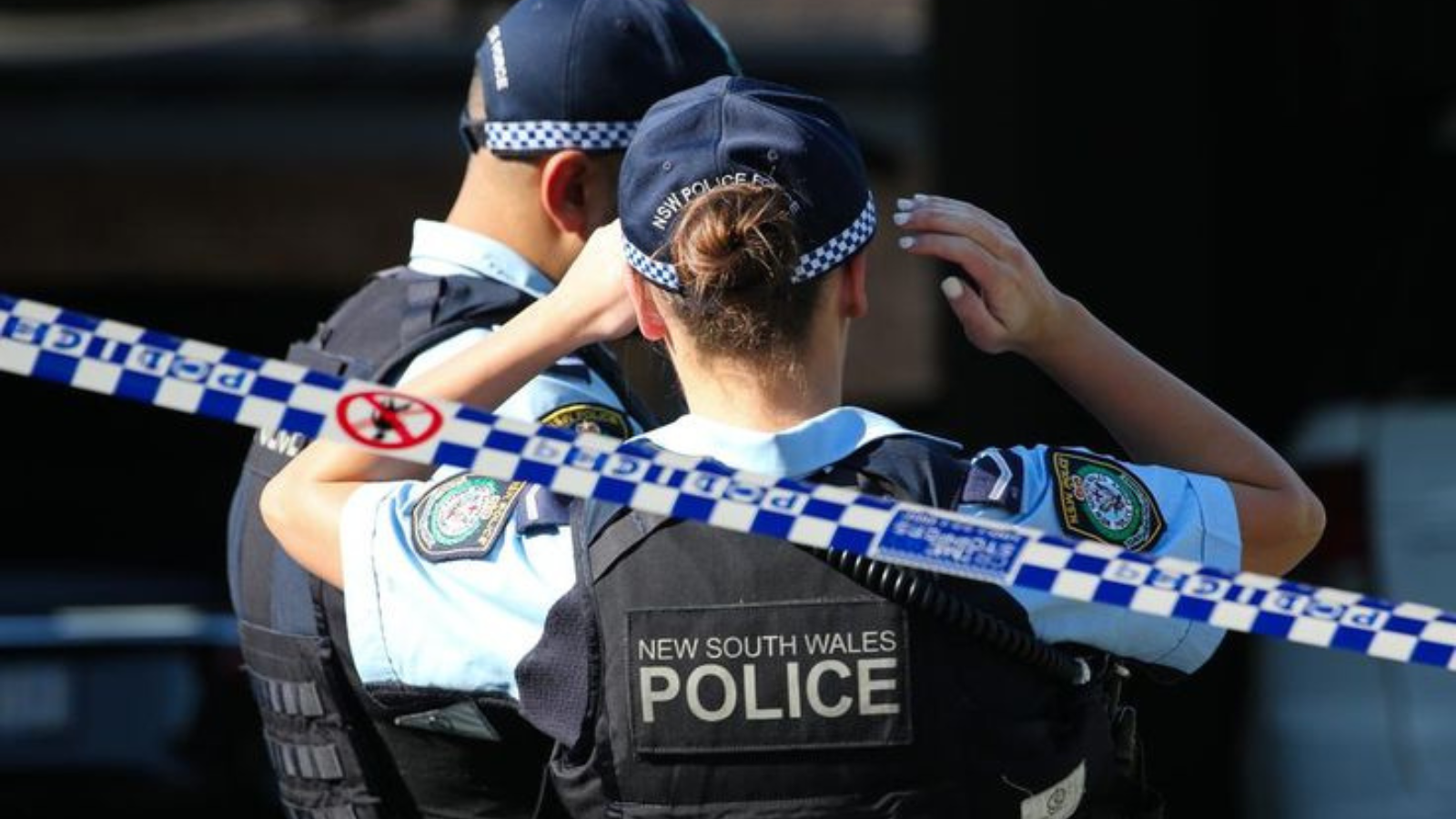
In Victoria, the announcement from police was terse but consequential. The unit that handles sexual offenses confirmed it was examining what it described as a historical assault at a licensed venue in Melbourne’s city center in 2010, carefully avoiding names while acknowledging the time and place lined up with the accuser’s account. For detectives, the task now is to reconstruct a moment that took place in the noise and dim light of a nightclub sixteen years ago, relying on witness recollections, club records, and whatever documentation can be located so long after the fact.
Historical cases of this kind pose distinct challenges. Memories fade, staff turns over, venues change ownership, and even the architecture of a nightlife district can shift between the time an incident occurs and the moment investigators walk through the door. Yet law enforcement officials have emphasized in recent years that time alone does not invalidate a claim, especially in matters involving sexual violence, where shame, fear, or a power imbalance can delay reporting.
For the singer under scrutiny, the inquiry means facing an institution that operates on a different rhythm than internet commentary. There are no comment sections in an interview room, no trending hashtags in an evidence log, only the slow work of gathering statements and comparing them against whatever traces remain from a long‑ago evening when a celebrity encounter was supposed to be the story.
Fame, Consent And The Court Of Public Opinion
The allegation lands at a moment when the public has grown starkly aware of the way power and intimacy can collide wherever fame is present. Fans have watched wave after wave of accounts ripple through music, film, and television, each one challenging the assumption that a backstage pass or VIP table exists outside ordinary rules. In this case, the dynamic is particularly fraught: a beloved hitmaker with a global fan base on one side, and on the other an actor who has built a career in part by presenting a tough, independent image.
The accused performer has not given a detailed personal account beyond statements released through representatives, opting instead for subtle gestures on social media, including cryptic lyrics and posts that many observers read as oblique responses to the controversy. Supporters interpret those signals as a quiet refusal to dignify what they see as unfounded claims; critics see them as proof that even now, accountability is filtered through image management. Meanwhile, the accuser has indicated that by moving the matter into the legal system, she is now constrained from saying more publicly, suggesting that her healing will unfold off‑line for the first time in years.
For audiences, the details of any eventual legal conclusion may matter less than the broader tension this case exposes. Can fans separate a catalog of hits from the unresolved questions surrounding the person who sings them. What does justice look like in a scenario where one person’s art has soundtracked millions of lives, while another person has spent years struggling to find language for a single night. As investigators continue their work, the nightclub scene in Melbourne lives on in two starkly different versions, and the world is left, once again, to grapple with which narrative it believes and why