

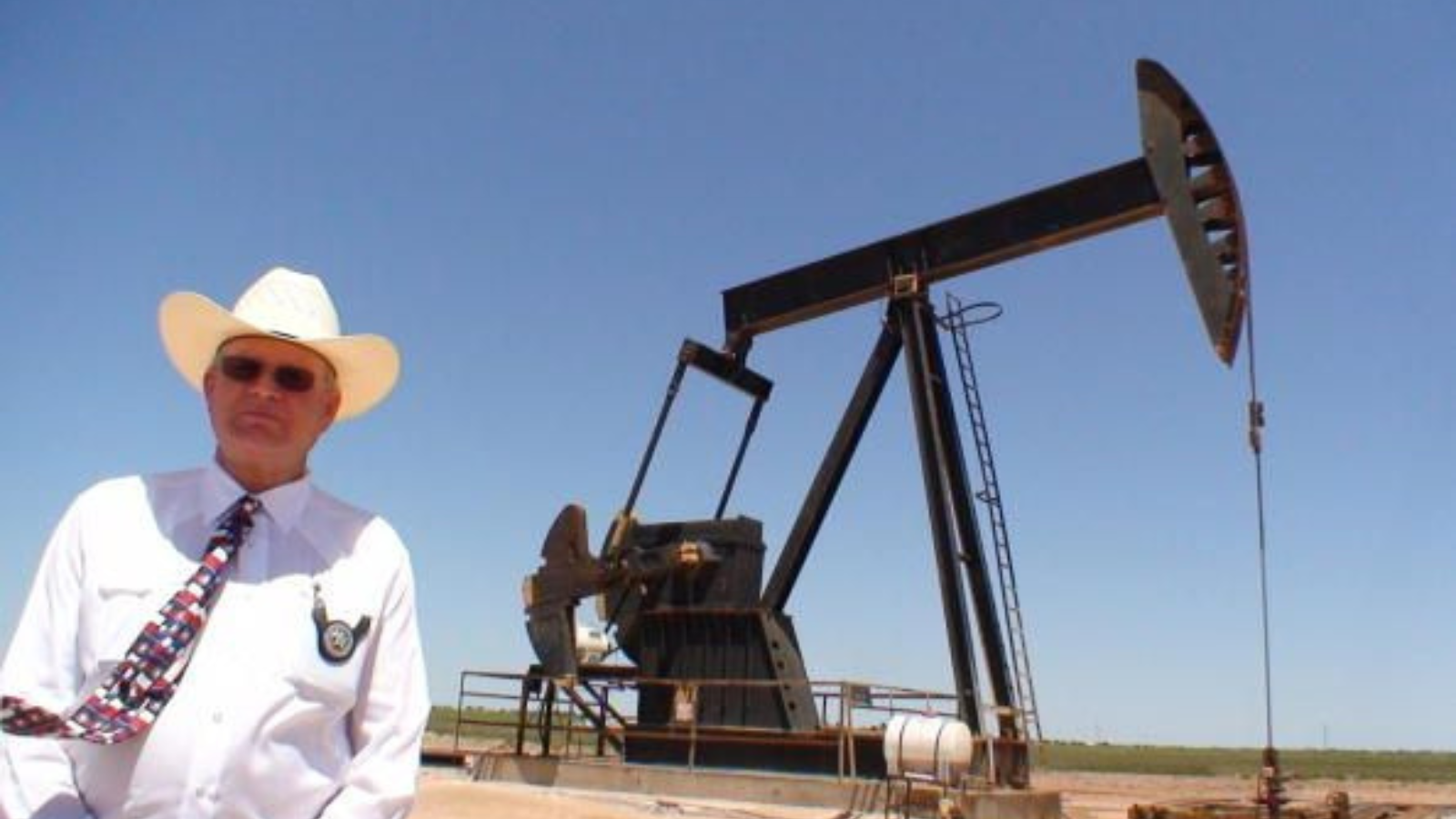
Across boardrooms in London and New York, a noticeable recalibration is underway. Major oil companies that once championed ambitious renewable energy targets are quietly scaling back, citing shareholder pressure, rising costs, and uncertain returns. The language has shifted from rapid transformation to measured transition, with renewed emphasis on core fossil fuel operations that continue to deliver predictable profits.
This retreat is not framed as abandonment but as pragmatism. Executives argue that global energy demand, particularly in developing economies, still leans heavily on oil and gas. In this context, scaling down renewable investments is presented as a temporary correction rather than a long-term reversal. Yet the optics tell a different story, especially as climate concerns intensify and policy expectations grow sharper.
At the same time, this recalibration is creating space for new leaders to emerge in the global energy transition. As Western firms reassess their commitments, attention is shifting toward regions that are not only maintaining but expanding their investments in cleaner energy.
The Gulf’s Calculated Bet on the Future
In stark contrast, energy producers in the Gulf are doubling down on renewables with a sense of urgency that blends economic foresight with geopolitical ambition. Long associated with vast oil reserves, the region is now positioning itself as a formidable player in the clean energy landscape, investing heavily in solar, hydrogen, and carbon capture technologies.
This pivot is not driven solely by environmental considerations. It reflects a broader strategy to diversify economies that have historically depended on hydrocarbons. Massive infrastructure projects, often backed by sovereign wealth, are being rolled out at a pace that signals long-term commitment rather than experimental interest.
The scale of these investments is hard to ignore. Expansive solar farms are rising in desert landscapes, designed to harness abundant sunlight and export energy far beyond regional borders. Hydrogen, particularly green hydrogen, is emerging as a cornerstone of future energy exports, offering a pathway to maintain global energy relevance in a decarbonizing world.
Diverging Narratives on Risk and Opportunity
What sets these two trajectories apart is not just policy but perception. For many Western firms, renewables are increasingly seen as high-risk ventures with uncertain margins. Market volatility, regulatory complexities, and the sheer capital required to compete with established players have made these investments less attractive in the short term.
In the Gulf, however, the narrative is markedly different. Renewables are framed as an opportunity to lead rather than follow, to shape the next era of energy rather than react to it. With fewer legacy constraints and access to significant capital reserves, Gulf producers are able to take a longer view, absorbing initial costs in exchange for future positioning.
This divergence also reflects differing relationships with state influence. While Western companies often navigate shareholder expectations and public scrutiny, Gulf energy strategies are closely aligned with national development plans. This alignment allows for more cohesive execution and a willingness to invest in projects that may take years to yield returns.
Implications for the Global Energy Landscape
The result is a shifting balance of influence in the global energy sector. As Western firms pull back, Gulf producers are stepping forward, not only as suppliers of traditional fuels but as architects of emerging energy systems. This transition is reshaping partnerships, trade flows, and the competitive dynamics of the industry.
It also raises questions about leadership in the fight against climate change. If the momentum behind renewable energy is increasingly driven by regions once synonymous with oil wealth, the narrative of the energy transition becomes more complex. It challenges assumptions about who leads and who follows in the push toward sustainability.
For observers and stakeholders alike, this moment underscores the importance of adaptability. The energy transition is not a linear process, and its trajectory will be shaped by a mix of economic realities, political will, and technological innovation. As the Gulf accelerates and the West recalibrates, the global energy map is being redrawn in real time.