

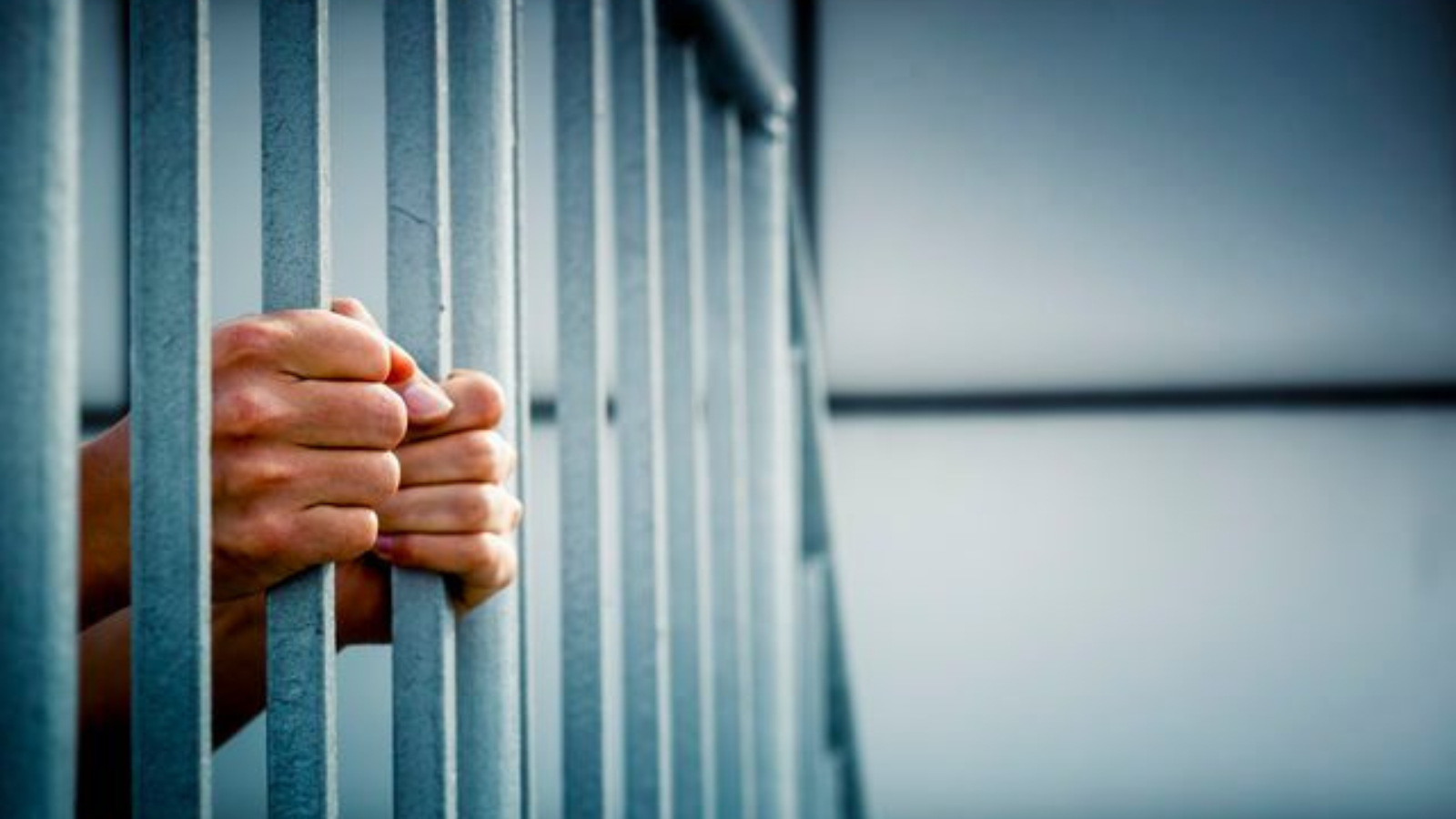
The violence unfolded in the early hours, deep within one of Guatemala’s most volatile prison facilities, where tensions between rival gangs have long simmered beneath a fragile calm. What began as a confrontation quickly escalated into a coordinated assault, leaving eight police officers dead and several others injured. Authorities described the incident as one of the most severe attacks on law enforcement in recent years, exposing the precarious balance of control within the country’s overcrowded prison system.
Witness accounts and preliminary reports suggest that the attackers were highly organized, exploiting vulnerabilities in the prison’s security protocols. Armed with improvised weapons and aided by the chaotic layout of the facility, gang members were able to overwhelm officers before reinforcements could arrive. The brutality of the attack has sent shockwaves across the nation, prompting urgent questions about how such a breach could occur under state supervision.
In the aftermath, images of heavily armed security forces surrounding the prison circulated widely, underscoring the gravity of the situation. For many Guatemalans, the incident is not an isolated tragedy but a stark reminder of the entrenched power that criminal organizations wield within institutional spaces.
Government Responds With State of Emergency
In a swift response, the Guatemalan government declared a state of emergency, granting authorities expanded powers to restore order and prevent further violence. The measure allows for increased military presence, heightened surveillance, and restrictions on movement in affected areas. Officials framed the decision as necessary to reassert control and protect both citizens and state personnel.
President and senior security officials addressed the nation, emphasizing that the crackdown would target not only those directly involved in the attack but also the broader networks that sustain gang operations. The declaration signals a shift toward more aggressive intervention, reflecting mounting pressure on the administration to demonstrate decisive leadership in the face of escalating violence.
Critics, however, have raised concerns about the potential for overreach and the long-term effectiveness of emergency measures. While such actions may provide immediate stability, they often fail to address the structural issues that enable gangs to thrive, including systemic corruption, underfunded institutions, and limited rehabilitation programs.
A System Under Strain
Guatemala’s prison system has long been described as overstretched and under-resourced, with facilities operating far beyond their intended capacity. This environment has allowed gangs to establish parallel systems of control, effectively turning prisons into operational hubs for criminal activity. The latest incident highlights how deeply embedded these structures have become.
Experts point to chronic understaffing and inadequate training as key factors contributing to the vulnerability of prison personnel. Officers often face dangerous conditions with limited support, making them easy targets during coordinated attacks. The loss of eight officers has reignited calls for comprehensive reform, including better funding, improved infrastructure, and enhanced security protocols.
Beyond the immediate security concerns, the situation reflects broader societal challenges. High levels of poverty, limited economic opportunities, and weak institutional frameworks have created conditions in which organized crime can flourish. Addressing these root causes requires sustained investment and political will, both of which have proven difficult to maintain over time.
The Human Toll And National Reflection
For the families of the fallen officers, the tragedy is deeply personal. Vigils and memorials have begun to appear across the country, with communities coming together to honor those who lost their lives in the line of duty. The emotional weight of the घटना has resonated far beyond the prison walls, touching a nation already grappling with concerns about safety and stability.
Public sentiment is marked by a mix of grief, anger, and uncertainty. Many citizens are questioning whether current strategies are sufficient to confront the scale of the challenge. The attack has also intensified debates about accountability, with calls for thorough investigations into potential lapses that may have contributed to the घटना.
As Guatemala moves forward, the path ahead remains uncertain. The state of emergency may bring temporary control, but the deeper issues exposed by this incident will require a more comprehensive and sustained response. For now, the country stands at a critical juncture, forced to confront the realities of a system under pressure and the urgent need for meaningful change.