

Piet Mondrian’s work is often reduced to its most recognizable elements: grids, primary colors, and an almost obsessive pursuit of balance. Yet behind those rigid lines lies a quieter, more human story. Recent reflections on his life suggest that his artistic philosophy was shaped not only by abstraction but by a deep search for harmony in a chaotic world. His transition from traditional landscapes to stark compositions was not abrupt, but gradual and deeply personal.
Writers revisiting Mondrian’s journey often highlight the influence of spirituality and philosophy on his work. The De Stijl movement, which he helped pioneer, was rooted in the belief that art could transcend the individual and reflect universal truths. This perspective reframes his paintings not as cold exercises in geometry, but as emotional responses to modernity. In that sense, Mondrian’s grids become less about restriction and more about clarity.
The Subtle Art of Lasting Friendship
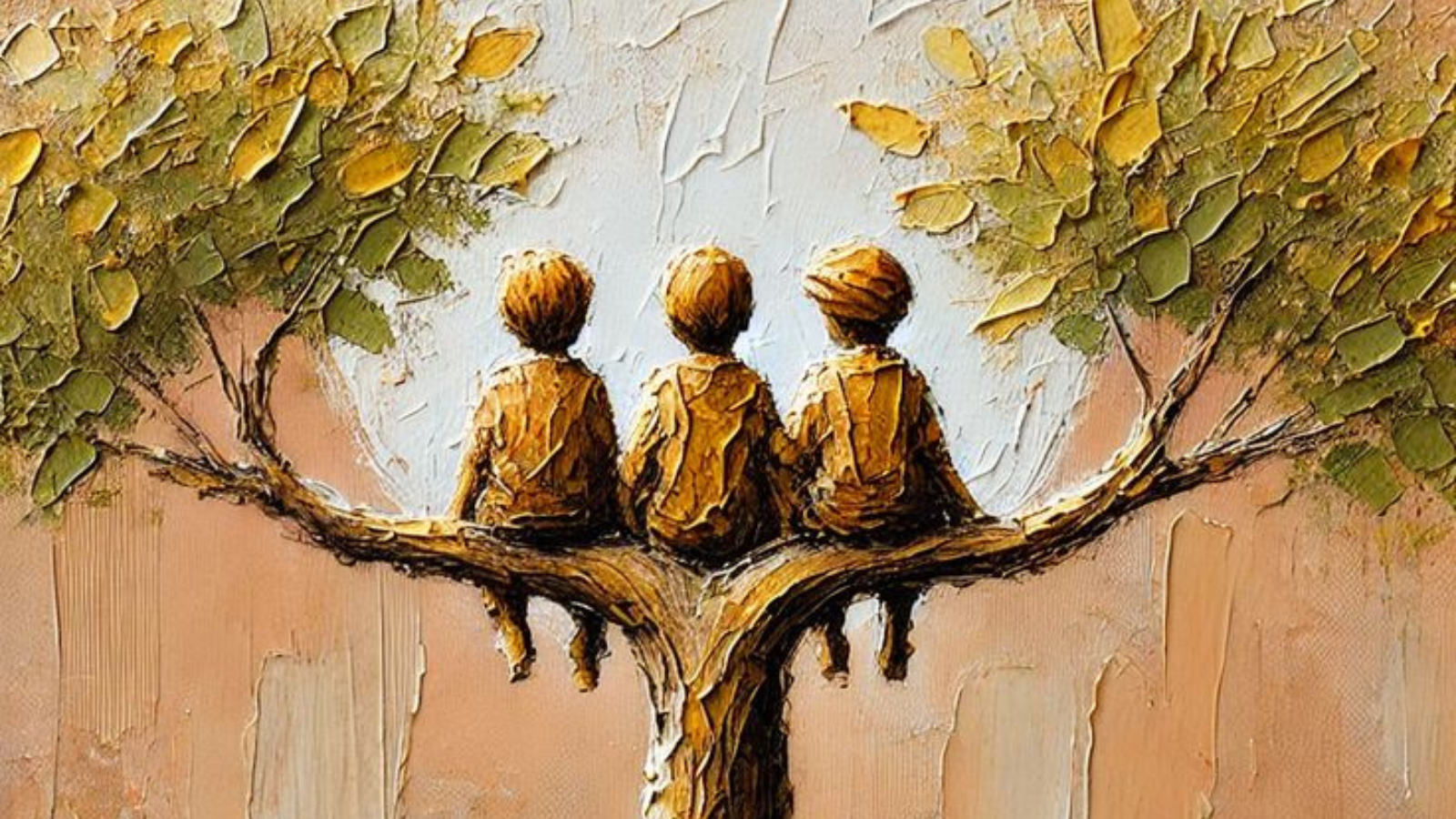
Another standout theme among recent literary features is the evolving understanding of friendship. In an era defined by digital communication and shifting social norms, the idea of meaningful, enduring relationships has taken on new weight. Writers are increasingly exploring what makes friendships last, and why some bonds quietly fade while others deepen over time.
What emerges is a portrait of friendship that is less about constant connection and more about mutual recognition. The strongest relationships often thrive on space, allowing individuals to grow independently while maintaining a shared foundation. These narratives move away from idealized portrayals and instead embrace the complexities of loyalty, distance, and change. They suggest that the secret to lasting friendship lies not in perfection, but in resilience and understanding.
When Rivalry Becomes Fuel
The concept of rivalry has also taken center stage, particularly in stories that examine how competition shapes identity. Whether in sports, business, or creative industries, rivalries often reveal more about individuals than their successes do. They expose vulnerabilities, ambitions, and the drive to excel under pressure.
In the case of “Heated Rivalry,” the phrase itself evokes intensity beyond mere competition. It hints at emotional stakes that blur the line between adversaries and equals. Modern storytelling has embraced this nuance, portraying rivalries as relationships that are both confrontational and deeply interconnected. Rather than simple opposition, these dynamics often become catalysts for growth, pushing individuals to redefine their limits.
Reading as a Mirror of Modern Life
What ties these diverse narratives together is their ability to reflect broader cultural shifts. Whether through art, relationships, or competition, each story offers insight into how people navigate an increasingly complex world. The appeal of these reads lies in their accessibility. They do not require specialized knowledge, yet they resonate on multiple levels.
There is also a noticeable trend toward introspection in contemporary writing. Readers are drawn to stories that offer not just information, but perspective. They want to understand the motivations behind creative expression, the emotional layers of human connection, and the psychological forces driving ambition. In this way, these features function as both entertainment and reflection.
As publishing continues to evolve, the demand for thoughtful, narrative-driven content remains strong. Articles that blend storytelling with insight are finding a steady audience, particularly among readers seeking substance over speed. These six reads, though varied in subject, share a common strength: they invite readers to pause, consider, and engage with ideas that extend beyond the page.