

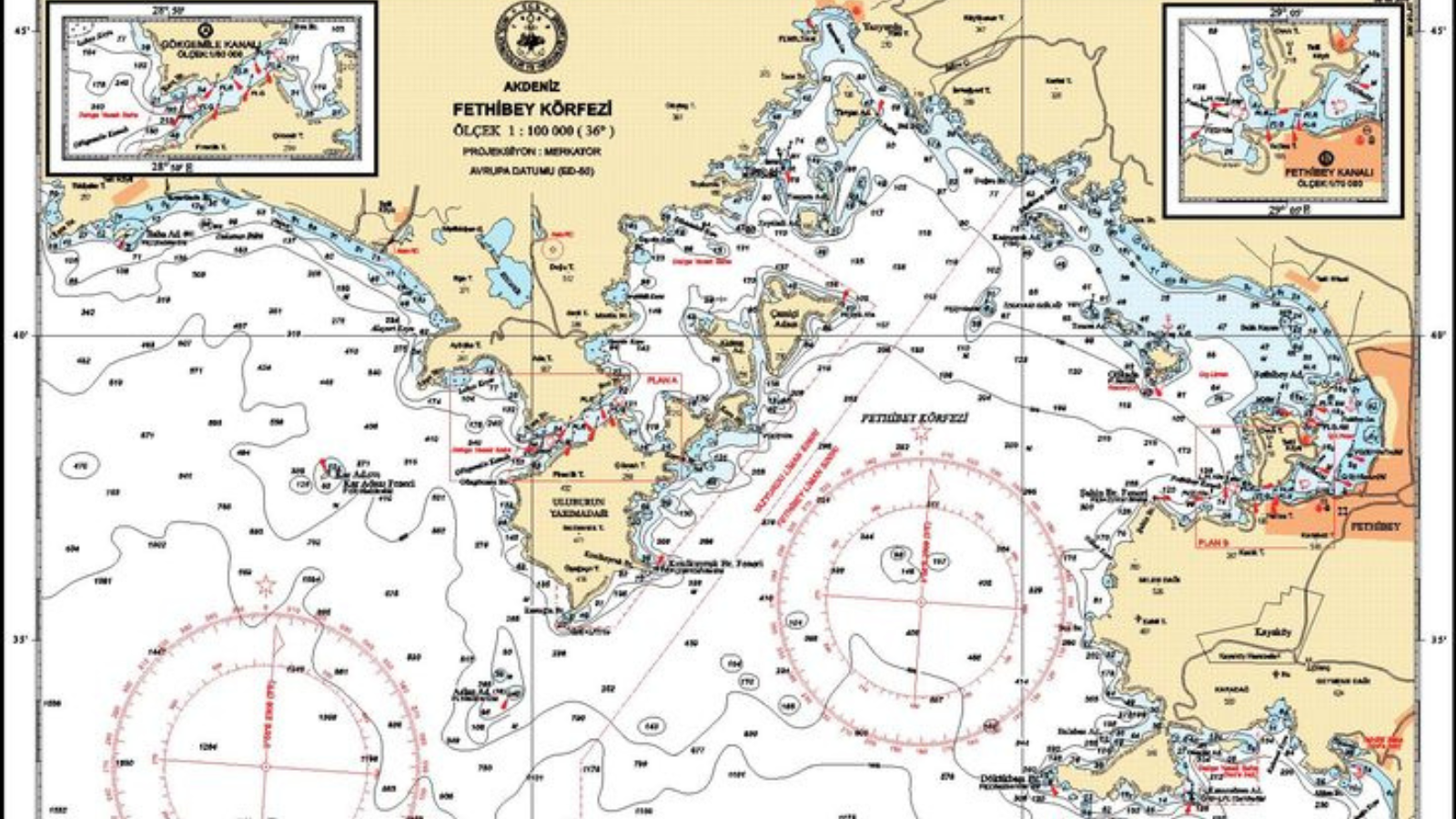
For centuries, mariners have trusted charts as steadfast guides across uncertain waters. Yet in coastal regions around the world, a quieter force is reshaping those routes from beneath the surface. Offshore sandbanks, once considered relatively stable features, are shifting with increasing frequency, creating navigation challenges that even modern technology struggles to fully anticipate.
Driven by tides, storms, and changing sediment flows, these submerged formations can migrate over weeks or even days. What was once a safe passage can quickly become a shallow hazard, catching vessels off guard. In busy shipping corridors and near major ports, this unpredictability has begun to draw heightened concern from maritime authorities and insurers alike.
Recent incidents have underscored the risks. Cargo vessels running aground in previously navigable waters have prompted investigations, not into human error, but into the evolving seabed itself. The ocean floor, it seems, is far less static than many had assumed.
Technology Races to Keep Up
Efforts to track and map these shifting sandbanks have intensified, with hydrographic surveys now conducted more frequently in high-risk zones. Advanced sonar systems and satellite data offer more precise imaging than ever before, but even these tools face limitations when changes occur rapidly.
Digital navigation systems, widely adopted across the shipping industry, rely on up-to-date data to remain effective. However, the lag between surveying and chart updates can leave vessels vulnerable. Mariners often find themselves balancing trust in digital systems with traditional caution, relying on experience and local knowledge when charts fall short.
Emerging technologies, including real-time seabed monitoring and predictive modeling, aim to close this gap. Researchers are exploring how environmental data, such as wave patterns and sediment transport, can forecast sandbank movement. While promising, these solutions are still evolving and not yet universally implemented.
Economic and Environmental Stakes
The implications extend beyond navigation safety. Shipping delays, rerouted vessels, and grounding incidents carry significant economic costs. Ports dependent on consistent access channels face operational disruptions, while insurers reassess risk models in light of increasingly dynamic seabeds.
At the same time, shifting sandbanks play a complex role in coastal ecosystems. They can act as natural buffers against storm surges, protecting shorelines from erosion. Their movement, while hazardous for ships, is part of a broader environmental process that supports marine habitats and sediment balance.
Balancing these competing interests presents a challenge for policymakers. Interventions such as dredging can stabilize navigation routes but may disrupt ecological systems. The question becomes not just how to control these changes, but how to adapt to them responsibly.
A New Era of Maritime Awareness
As global trade continues to rely heavily on maritime transport, awareness of these hidden dynamics is growing. Training programs for mariners increasingly emphasize adaptive navigation, encouraging crews to interpret real-time conditions alongside charted information.
Collaboration between governments, research institutions, and the shipping industry is also expanding. Shared data initiatives and cross-border monitoring efforts reflect a recognition that shifting sandbanks are not confined by national boundaries. They are part of a broader, interconnected marine environment.
Ultimately, the challenge lies in acknowledging uncertainty as a constant at sea. While technology will continue to improve, the ocean’s capacity for change remains a defining feature. For those who navigate it, understanding that the ground beneath the waves is in motion may be the most important lesson of all.