

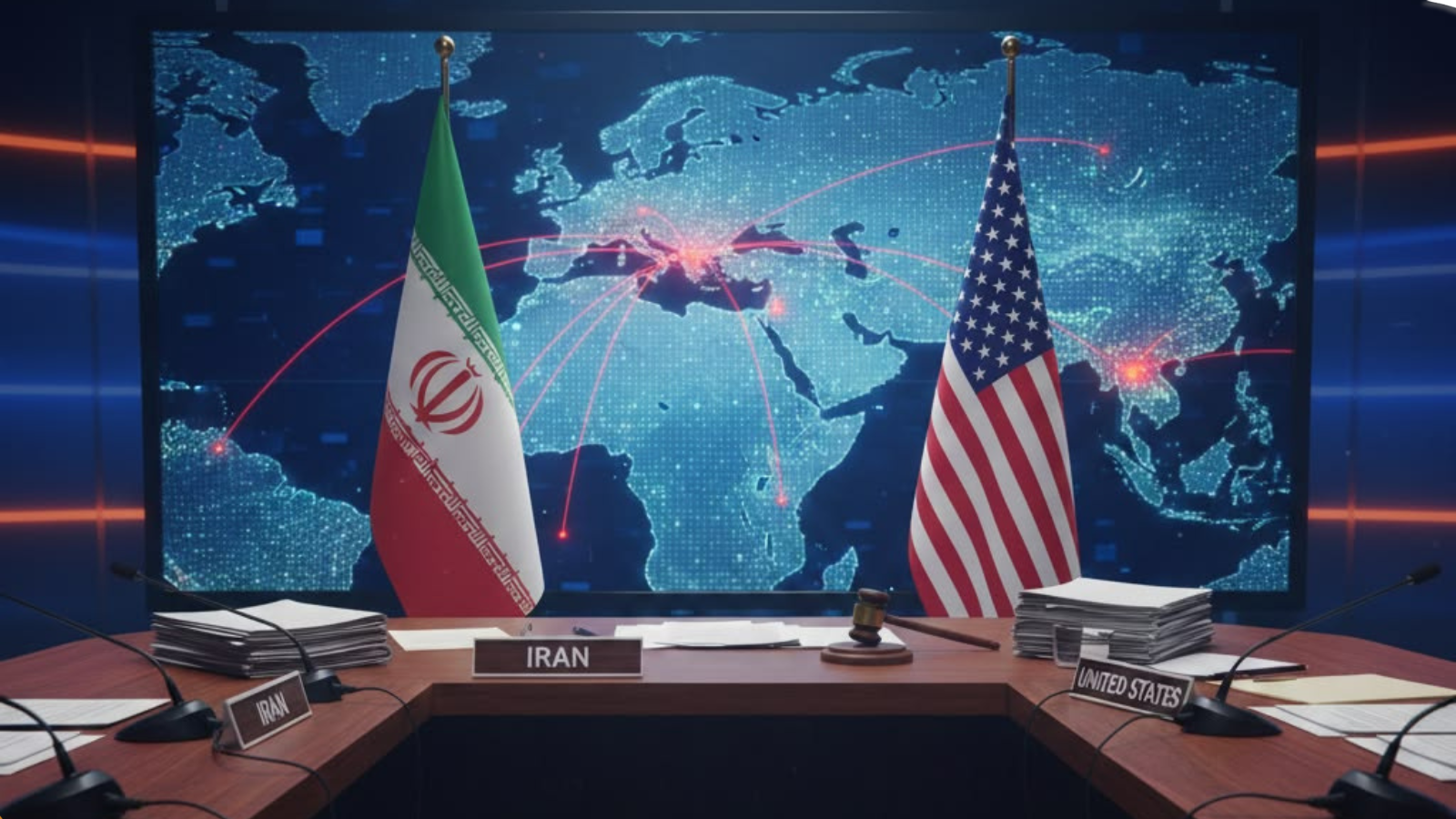
In a moment marked by both tension and possibility, Iran has indicated a renewed openness to dialogue with the United States, even as it faces mounting pressure at home. Officials in Tehran have cautiously signaled that negotiations remain on the table, suggesting that diplomacy, though strained, has not been entirely abandoned. The overture arrives at a time when geopolitical stakes remain high, particularly surrounding nuclear ambitions and regional stability.
This development reflects a familiar pattern in U.S.-Iran relations, where periods of hostility are often punctuated by tentative gestures toward engagement. While no formal framework for talks has been confirmed, the language from Iranian leadership suggests a calculated attempt to keep diplomatic channels alive. Analysts note that such signals are often designed to test international response while maintaining leverage amid ongoing disputes.
Protests Shape the Internal Landscape
Parallel to these diplomatic signals is a backdrop of sustained domestic unrest. Protests across various Iranian cities have underscored deep-seated frustrations over economic conditions, governance, and civil liberties. The government’s response has been firm, with authorities implementing measures aimed at controlling demonstrations and restoring order.
The intersection of internal dissent and external diplomacy presents a complex challenge for Iranian leadership. On one hand, projecting openness to international negotiation can serve as a stabilizing signal to global markets and political actors. On the other, the persistence of protests highlights vulnerabilities that may influence how Iran positions itself on the world stage. Observers suggest that domestic pressures could either incentivize compromise or harden negotiating stances, depending on how leadership interprets the risks.
Washington’s Calculated Response
From Washington’s perspective, Iran’s signals have been met with cautious interest. U.S. officials have long maintained that diplomacy remains the preferred path, particularly concerning nuclear nonproliferation. However, skepticism persists regarding Tehran’s intentions, especially given the broader context of regional tensions and human rights concerns.
The Biden administration’s approach has emphasized a balance between openness to talks and the enforcement of existing sanctions. Any potential negotiations would likely require confidence-building measures from both sides, a process that has historically proven difficult. The current moment, shaped by both internal unrest in Iran and shifting global alliances, adds another layer of complexity to an already intricate relationship.
The Broader Regional Implications
Beyond bilateral dynamics, Iran’s willingness to engage in talks carries implications for the wider Middle East. Neighboring countries and global stakeholders are closely monitoring developments, particularly in relation to security, energy markets, and regional alliances. A shift toward dialogue could ease tensions in certain areas, while continued uncertainty may perpetuate existing divisions.
At the same time, Iran’s internal situation cannot be separated from its external posture. The government’s handling of protests is likely to influence how other nations perceive its stability and reliability as a negotiating partner. In this sense, diplomacy and domestic governance are deeply intertwined, shaping not only immediate outcomes but also longer-term geopolitical trajectories.
As events continue to unfold, the balance between confrontation and cooperation remains delicate. Iran’s openness to talks offers a potential pathway forward, yet the broader context suggests that any progress will require careful navigation. For now, the world watches closely as both Tehran and Washington weigh their next moves in a relationship defined by both rivalry and reluctant engagement.