
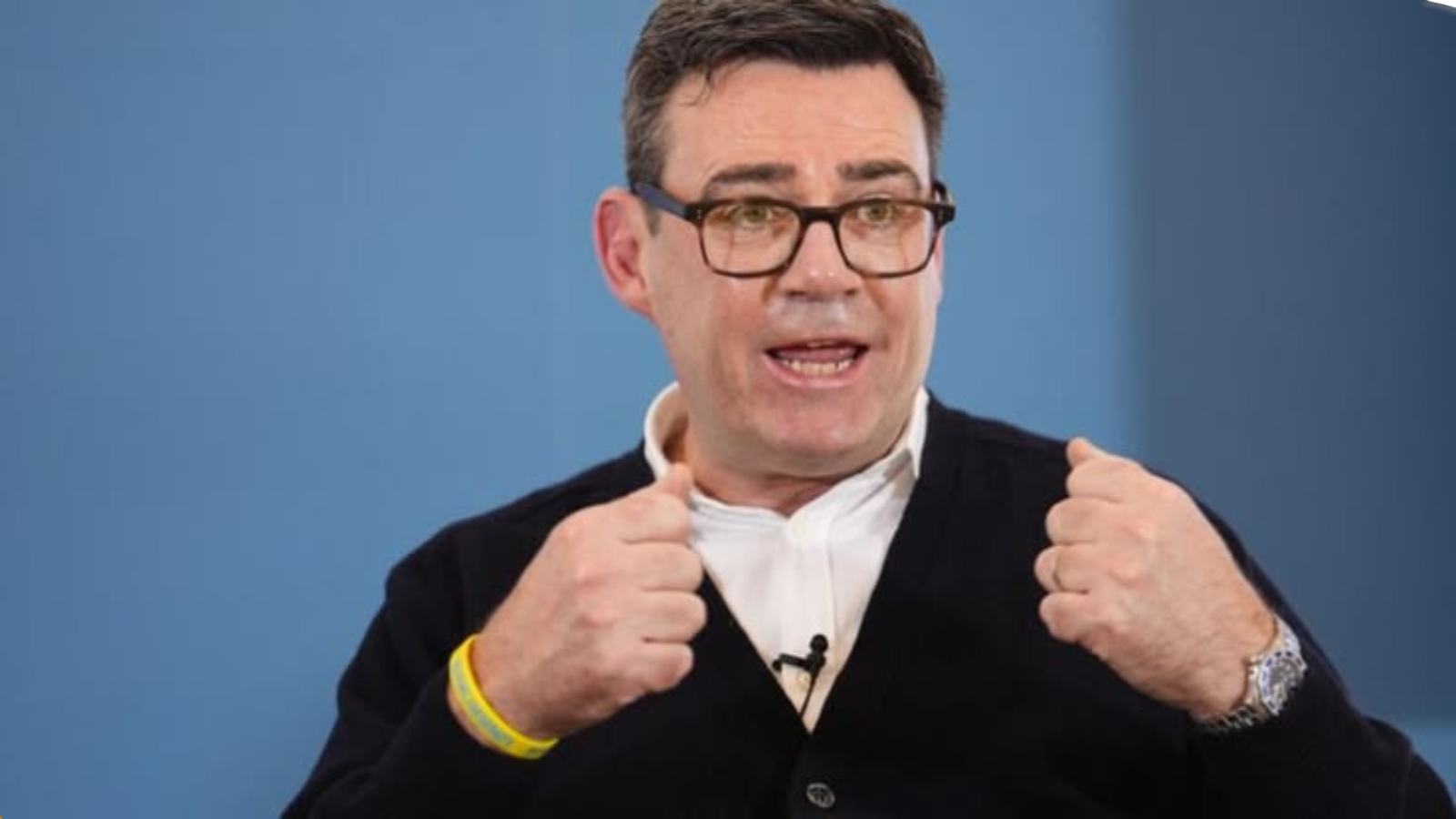
For years, Andy Burnham built his image as the straight-talking champion of England’s North, a politician who traded Westminster theatre for tram stops, town halls and late-night radio phone-ins across Greater Manchester. His clashes with central government over funding, transport and public health turned him into a folk hero for many northern voters who felt left behind by London-centric politics.
That reputation made Labour’s decision to block him from standing for Parliament again feel like a shock, even in a party used to sudden U-turns and sharp elbows. At a moment when the leadership is trying to project unity and discipline, Burnham’s exclusion sends a pointed message about who holds the real power inside the party – and what happens when a regional figure grows too big, too fast.
The Party’s Push For Control
Modern political parties, especially those eyeing long stretches in power, guard candidate selection more tightly than ever. From media training to message discipline, the emphasis is on predictability: fewer mavericks, fewer public rows, fewer headlines that aren’t choreographed in advance. In that context, a high-profile metro mayor with his own media brand, his own networks and his own independent mandate can look less like an asset and more like a risk.
Labour’s leadership has worked hard to centralize decision-making, narrowing the space for big personalities who might pull the party off its chosen course. Blocking Burnham fits a wider pattern: selections tilted toward safe loyalists, tight control over local parties, and a clear preference for figures who speak with a single, national voice rather than a regional accent that sometimes contradicts the script. For supporters who hoped Labour’s return to office would mean a looser, more plural politics, the Burnham episode is a reminder that authority in the party still flows from the top down.
The ‘King Of The North’ Without A Crown
Burnham’s strength has always been his ability to sound like a local while thinking like a national strategist. He pushed for bus franchising, pushed back against austerity and made a point of being visible in crises when residents felt Westminster was missing in action. The “King of the North” label might be tongue-in-cheek, but it reflects something real: a leader whose legitimacy comes not from a party machine, but from the everyday frustrations of commuters, renters and hospitality workers.
Being blocked from Westminster does not strip him of that authority. If anything, it frees him from the suspicion that every statement is a staging post on the road back to a frontbench job. He remains the elected voice of a region with a population larger than some European countries, and that platform gives him options that many sidelined politicians never have. Whether he chooses to use it as leverage, as a launchpad or as a shield will define his next chapter.
Possible Roads Ahead
One path is to double down on the mayoralty and turn Greater Manchester into a laboratory for the kind of politics he believes Labour should champion nationally. That could mean bolder experiments on housing, transport and social care, backed by the kind of clear, human storytelling that has always been his strength. In this scenario, Burnham becomes less a restless would-be MP and more a northern governor, forcing Westminster – Labour or otherwise – to respond to policies that are already working on the ground.
Another path, more combustible but no less plausible, is that he becomes an internal lodestar for Labour’s uneasy left and its increasingly assertive English regionalism. He is seasoned enough to know that open warfare rarely ends well, yet experienced enough to understand the power of a well-timed critique, especially when delivered from a city region rather than the Commons coffee queue. In an era when audiences skim headlines and hunt for authentic voices, a politician who sounds like a mayor first and a party man second can cut through the noise in ways that no official press release can.
The final, more speculative route sits outside party structures entirely. In a media landscape hungry for strong characters with built-in followings, a figure like Burnham has value far beyond a safe seat and a whipped vote. From broadcasting to advocacy, think tanks to city-led alliances, his next move could redraw the line between party politics and public influence, testing how much power a regional leader can wield without ever setting foot back on the green benches.
For now, the ban looks like a closing of doors. But in British politics, exile often turns out to be rebranding by another name, and the North has rarely lacked for leaders willing to work around London’s rules when they cannot work within them.