

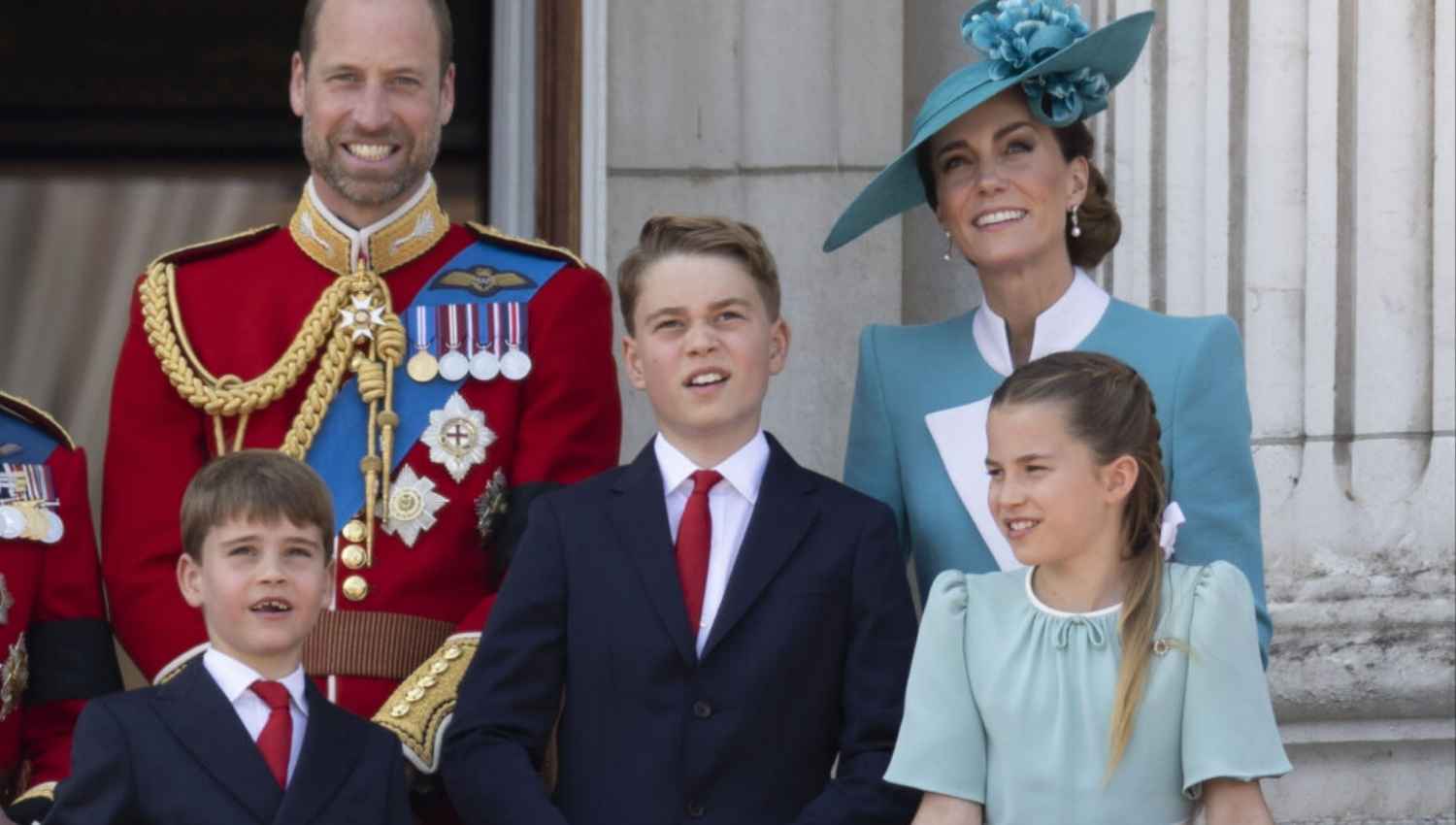
Change is in the air for the royals this week, though much of it will play out in quiet fashion. Several notable events are on the House of Windsor’s calendar, but the one most likely to capture public attention isn’t the King setting a record. It’s one of his heirs reaching a milestone.
George steps into his teenage years
It’s the slower season for the royals, with official engagements easing off in most diaries apart from Princess Anne’s. Even so, one date has been circled well in advance. On July 22, Prince George turns 13, and the second in line to the throne officially becomes a teenager.
George, who recently delighted his mother and sister with a bit of hat-related fun at Wimbledon, seems a long way from the stereotype of a sullen teen. Still, his 13th birthday marks a genuine turning point. He has already left prep school, sampled boarding life, and is about to begin five years at Eton College, following his father, who is said to have thrived during his own time at the school.
George will arrive at Eton a teenager and leave a young man, turning 18 by his final day. For most people that age signals the freedom to chart their own course. For George, it carries added weight. At 18 he could reign without a regent and, if the need arose, stand in for the Monarch.
Wednesday’s birthday, then, offers a soft glimpse of what lies ahead. George is moving from childhood toward young adulthood, and in royal terms that shift matters a great deal.
The occasion is likely to be marked with new photographs. Given how organized Kate has been with these releases in the past, they may already have been taken. A family portrait to celebrate the day would be a welcome bonus. Whatever form it takes, George Alexander Louis is entering a new chapter, and the role he occupies is slowly evolving. The infant prince who once charmed the world is now taking bigger strides toward the throne he was born to inherit.
A season of birthdays
George’s milestone arrives just days after Queen Camilla celebrated her own. The Queen turned 79 on July 17, and a photograph naturally accompanied the occasion.
The Windsors’ embrace of the tradition of sharing images to mark birthdays and special events has proven to be a reliably charming move. A happy day, a smiling portrait, and very little to criticize.
Camilla, though, has a knack for adding a quiet twist without any fuss. Alongside her birthday portrait, Buckingham Palace announced that every Year 6 child in the country would receive a free reading book at Christmas, a nod to the Queen’s long-standing passion for literacy. In doing so, she layered something meaningful onto the celebration, turning the spotlight outward toward others. It’s a familiar pattern for Camilla, who tends to simply act and let everyone else catch up. As she counts down to turning 80, there’s no sign of that changing.
A constitutional week for the King
The perennial challenge for the monarchy is that its most substantive moments are often overshadowed by image. This week will prove the point once again. What most people will remember by next Sunday is how George celebrated his birthday, even as his grandfather carries out the real, constitutional work of the Crown.
On July 20, 2026, the King will welcome Sir Keir Starmer to Buckingham Palace to accept his resignation as Prime Minister. It comes barely two years after Sir Keir arrived to begin his tenure following a commanding General Election victory. As it turned out, he proved less popular within the Labour Party than with the wider public, and he now moves on to new pursuits, likely a memoir and the after-dinner speaking circuit.
Once Starmer departs, Andy Burnham will arrive in his place. Having returned as an MP less than a month ago, Burnham will now be asked by the Monarch to form a government. The King is required to invite whoever is best positioned to command a majority in the Commons, and with Burnham now leading the parliamentary party with a clear majority, that responsibility falls to him. For the fourth time in a reign of less than four years, Charles will greet a new Prime Minister and formally confirm the appointment.
The ceremony takes place once the incoming leader accepts the role. Burnham won’t literally kiss the King’s hand, as the gesture has become a representative handshake. Charles also appears to have set aside the older custom of the incoming leader bowing in the first official photograph, perhaps mindful of the awkward moment involving Liz Truss.
It took Elizabeth II more than eleven years to welcome four Prime Ministers, so this is one record Charles III can claim as his own, even as he does so knowing full well that most of the country is far more interested in the birthday portraits.