

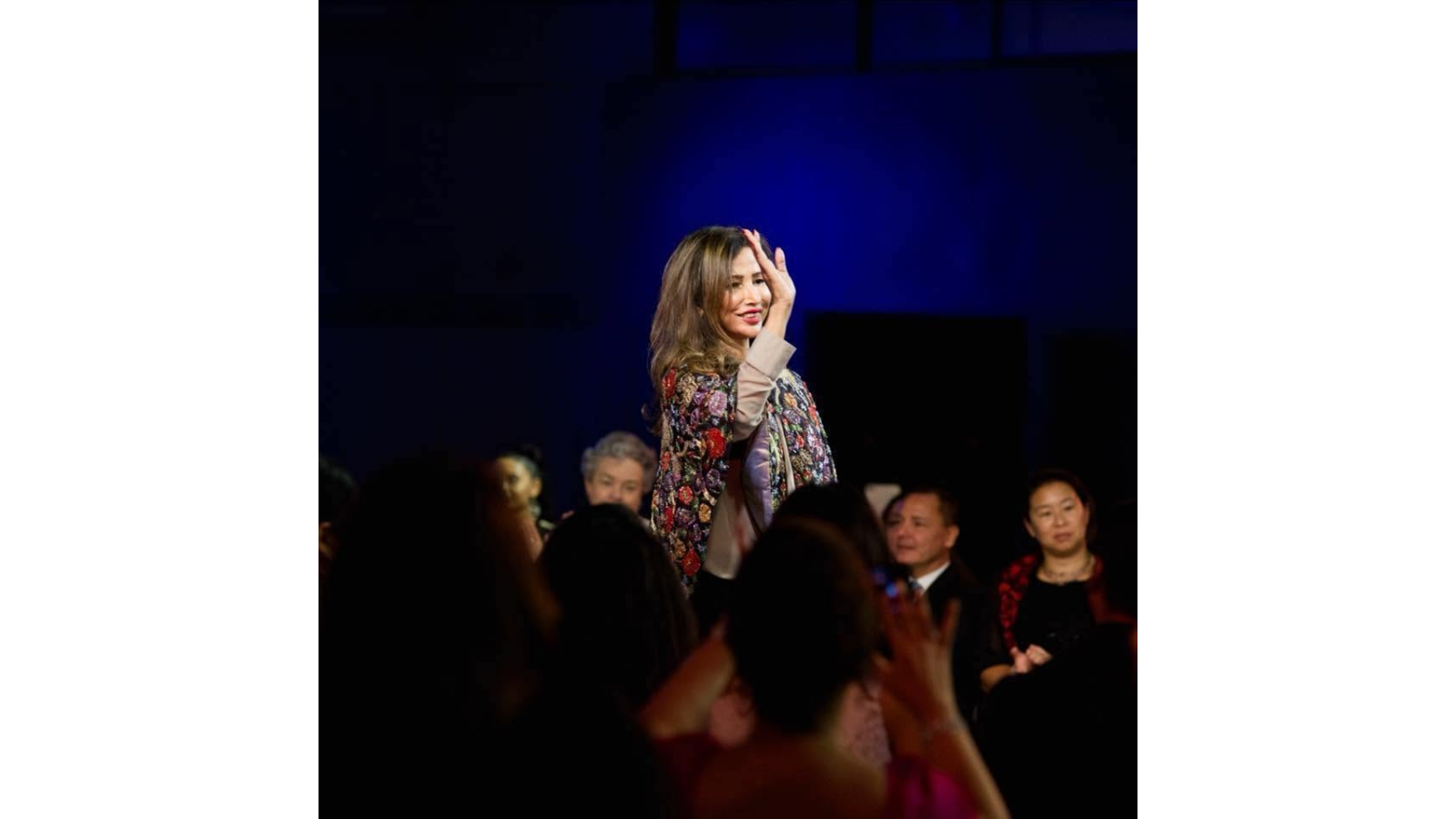
Rina Latif’s 2026 Global Recognition Award confirms a rare distinction in modern luxury: the ability to elevate heritage into a globally respected design language without compromising its origins. Over three decades, Latif has guided Bangladesh from a quiet manufacturing presence into a credible force in high fashion through discipline, innovation, and a deeply informed respect for craft. Her work reflects what experienced collectors increasingly value: authenticity rooted in provenance, refined through technique, and sustained through ethical collaboration.
Latif’s early work in handblock printing marked a deliberate return to tactile artistry at a time when speed dominated production. That foundation developed into her defining contribution, tapestry embroidery, a technique often described by industry insiders as “painting with thread,” where tonal layering and botanical inspiration create pieces that reward close inspection. The result is not decoration for its own sake, but a controlled visual language that distinguishes her garments in a crowded luxury market.
Craft, Material, and Modern Relevance
Collections under the Rina Latif label draw from a carefully edited selection of heritage textiles, including muslin, benarasi silk, khadi, and jamdani. Each fabric is handled with restraint and technical precision, allowing its intrinsic qualities to lead rather than compete with design intervention. Buyers familiar with South Asian textiles recognize the nuance here; the garments maintain structural integrity while aligning with international expectations for luxury ready-to-wear and occasion dressing.
Longstanding relationships with master weavers across Bangladesh support this consistency. These collaborations extend beyond sourcing into stewardship, ensuring that regional techniques are preserved while meeting demanding global standards. Retail partners in Delhi, Dubai, London, and New York frequently cite this reliability as a defining strength. The brand’s presence across these markets signals more than expansion; it confirms that craftsmanship, when managed with clarity and respect, can stand alongside established luxury houses.
Muslin Revival and Responsible Luxury
Muslin stands at the center of Latif’s most significant contribution, a textile once central to Bengal’s cultural identity yet nearly lost to time. Industry observers often cite her work as a model for a carefully carried out revival, in which reconstruction is paired with adaptation. Latif sought out the last remaining practitioners, rebuilding not just technique but an ecosystem that now supports hundreds of artisans. This approach reflects a broader shift in luxury toward responsibility, where preservation and livelihood are inseparable from design.
Modern interpretations of muslin within her collections show careful restraint. Hand-painted finishes evoke the softness of watercolor, while embroidery and surface treatments add dimension without compromising the fabric’s lightness. A 2018 presentation, “An Odyssey into Imagination – Thirty Years of Rina Latif,” brought these ideas together, linking multiple heritage textiles into a cohesive narrative. The show resonated with private clients and industry critics, reinforcing the idea that heritage, when thoughtfully presented, remains commercially and culturally relevant.
Market Influence and Cultural Authority
Latif’s market impact is evident in her consistent participation in regional showcases and global retail environments, where her work challenges long-held perceptions of Bangladesh as purely a production hub. Buyers and curators increasingly acknowledge the label as a source of design authority, not simply craftsmanship. This distinction carries weight in a luxury landscape where origin stories influence purchasing decisions as much as aesthetics.
Expansion into menswear further illustrates the adaptability of her design approach. Formal and festive pieces retain the same attention to textile narrative and surface detail, offering continuity that appeals to multi-generational clients. Her advocacy for stronger intellectual property standards reflects a growing awareness within the industry that lasting value depends on protecting originality. As Alex Sterling of the Global Recognition Awards notes, her work represents “a balance of continuity and progress that defines modern excellence,” positioning Latif as a designer and a custodian of cultural and creative capital.