
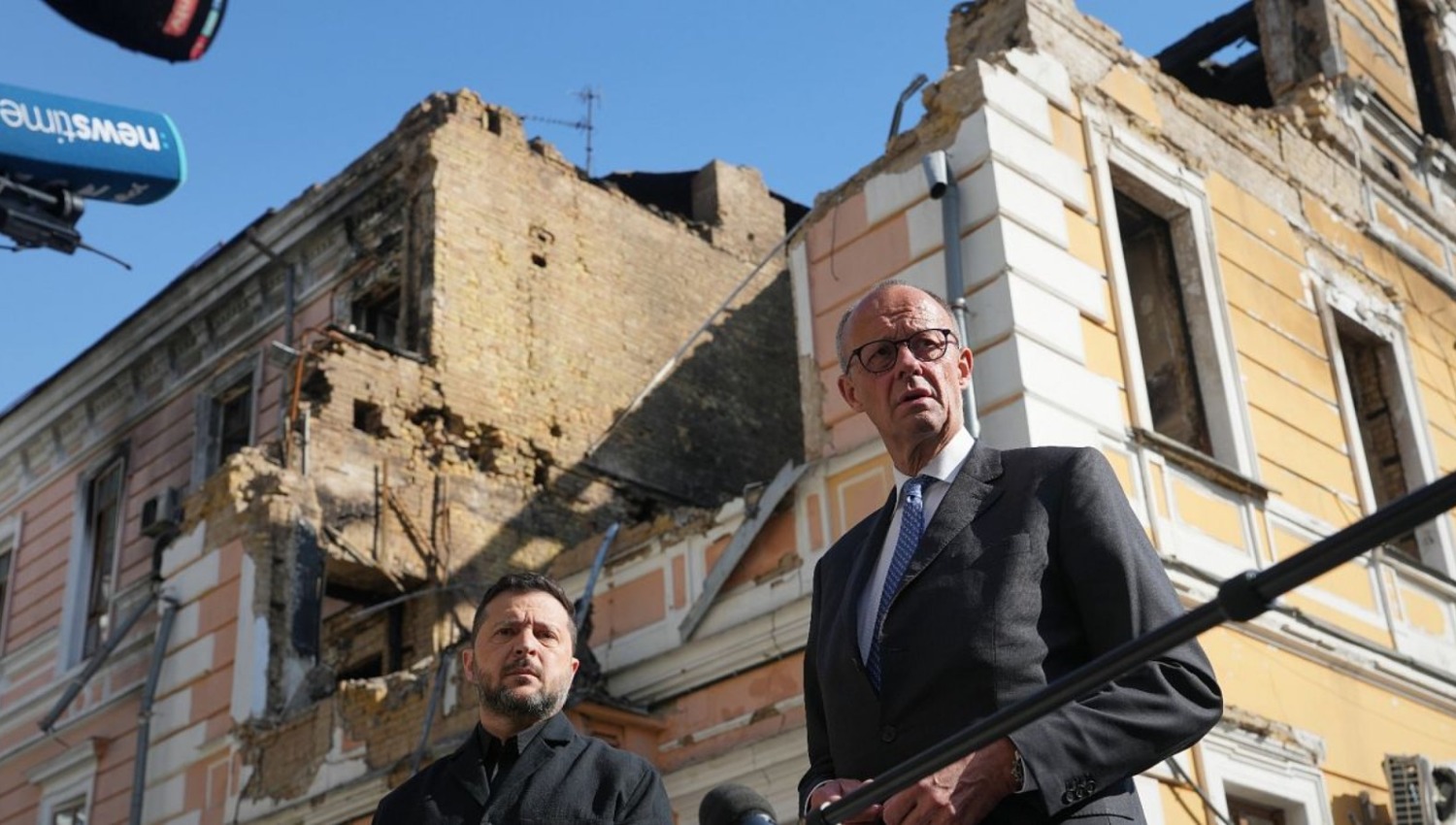
Friedrich Merz travelled to Kyiv by special train on Sunday morning, in a visit that had not been announced beforehand. The German chancellor brought Economy Minister Katherina Reiche and around ten executives from German defence and energy companies, along with fresh promises of military and financial help for Ukraine.
According to German government sources, Ukraine’s armed forces will receive thousands of interceptor drones over the coming months. They are meant to stop Russia’s jet-powered drones, which fly too fast for many existing defences. Berlin also plans to widen joint production of long-range weapons with Ukraine, using around one billion euros from budget funds that have already been approved, and has set aside a further €350 million to repair and rebuild damaged Ukrainian power plants. Reuters reported that the two governments also want to move ahead on a deal to develop and build drones together.
President Volodymyr Zelenskyy received Merz in the capital, with talks expected to cover energy supplies as well as defence. Merz said Ukraine needs “all our support for the coming weeks” as it heads into a fifth winter of war, and he called on Vladimir Putin to end the war and halt attacks on civilians. Security around the trip was tight. On Saturday, Russia had told foreign nationals and diplomats to leave Kyiv because of the risk of airstrikes, and on Sunday morning Kyiv Mayor Vitali Klitschko said at least one Russian drone had struck a road on the city’s northern bridge over the Dnipro.
This is Merz’s second trip to Ukraine as chancellor. The first came only days after he was sworn in, in May 2025, when he travelled to Kyiv with Emmanuel Macron, Donald Tusk and Keir Starmer, then the British prime minister. The German delegation this time is also preparing economic agreements and declarations of intent, as Berlin ties its military help more closely to cooperation between the two countries’ industries.
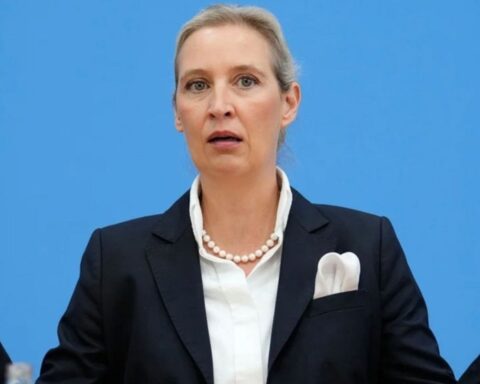
At home, the numbers are harder for the chancellor. The latest INSA poll puts the CDU/CSU at 18%, the lowest figure the pollster has recorded for the alliance, while the AfD has climbed to a record 30%. Only 15% of those asked said they were satisfied with Merz’s performance, against 79% who were not. AfD co-leader Alice Weidel attacked the trip on X, linking the aid to gaps in pension and health insurance funds. An ARD-Deutschlandtrend survey in early September found that more than four in ten Germans now believe support for Ukraine has gone too far, the highest share since Russia’s full-scale invasion began in February 2022.