Toni Beaino was just twenty years old when he opened a tiny bakery stall in Jounieh, Lebanon, the same year civil war erupted across the country. Half a century later, his sons are carrying that dream across borders, from the rubble of Beirut to the gleaming towers of Dubai.
Born From Fire And Flour
Bombs shook the streets of Lebanon in 1975. Families fled, businesses shuttered, and uncertainty gripped the nation. Toni Beaino, a young man with calloused hands and an unyielding will, chose a different path—he lit his oven. That first stall sold simple manakish and lahm baajin, the fragrant meat pies that would become legendary among Lebanese communities worldwide. He worked alone at first, waking at 3 a.m. to knead dough, hand-select meat cuts, and perfect each flatbread before dawn.
The bakery moved from Jounieh to nearby Sarba after fifteen years, then to its current location around 1990. Each relocation represented survival more than ambition. Toni raised a family on the income from those ovens, building customer loyalty one warm pie at a time. His menu remained modest—zaatar, cheese, spinach, and that signature lamb baajin—but his reputation grew immense.
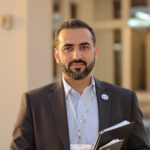
“He’s a person who loves his work, who loves his family, who did a lot, who sacrificed a lot,” says Wissam Beaino, Toni’s son and current CEO of the company. “He kept on fighting. He kept there until this date, doing everything by hand, showing his passion and his love through Furn Beaino.”
A Family Name Becomes A Brand
Furn Beaino—meaning “Beaino’s Bakery” in Arabic—takes its name directly from the family. Wissam and his younger brother Samer understood this weight when they began professionalizing their father’s humble operation around 2017. They built a central kitchen, earned rigorous FSSC 22000 food safety certification from the UKAS, and created a proper brand identity for the first time. The company’s logo now features four parallel lines, each representing a pillar that governs their work: Quality, Consistency, Passion, and Pride.
What strikes customers most, however, isn’t the certification or the branding—it’s the nostalgia. Lebanese expatriates arriving at Beirut airport often drive straight to the original storefront, craving that first bite of lahm baajin with its crispy crust, drizzle of lemon, and dash of pepper. The recipe hasn’t changed because Toni Beaino still prepares the meat himself at age 72.
Every morning, he arrives at the central kitchen, hands moving through the same motions he perfected decades ago. “It’s like something that’s running in the veins,” Wissam explains. “The only thing that you have, and you really want to take good care of it. It’s more about legacy, history.”
Escaping Tragedy, Chasing Growth
August 4, 2020, brought the catastrophic Beirut port explosion—the third-largest non-nuclear blast in recorded history. The financial crisis had already devastated Lebanon, devaluing the currency by a hundredfold and trapping citizens’ savings in frozen bank accounts. Wissam, an engineer with academic publications, had abandoned his career three years earlier to devote himself fully to the family business. The explosion cemented his decision to seek stability elsewhere.
Dubai became the answer. Furn Beaino launched its first cloud kitchen in Business Bay in 2022, followed by a second in Hessa Street in 2023. New locations in Silicon Oasis and Abu Dhabi’s Al Reem Island opened recently, with a flagship brick-and-mortar store set to debut in Bay Square this May. A partnership with Ambrosia Foods now propels the brand toward wider GCC presence, with additional cloud kitchens planned across Abu Dhabi, Sharjah, and Ras Al-Khaimah by year’s end.
Samer remains in Lebanon as co-CEO, steering operations at home while Wissam leads regional growth. The brothers navigate an eternal tension: scale without sacrificing soul. Their father built something precious from wartime ashes, and they refuse to dilute it through reckless expansion.
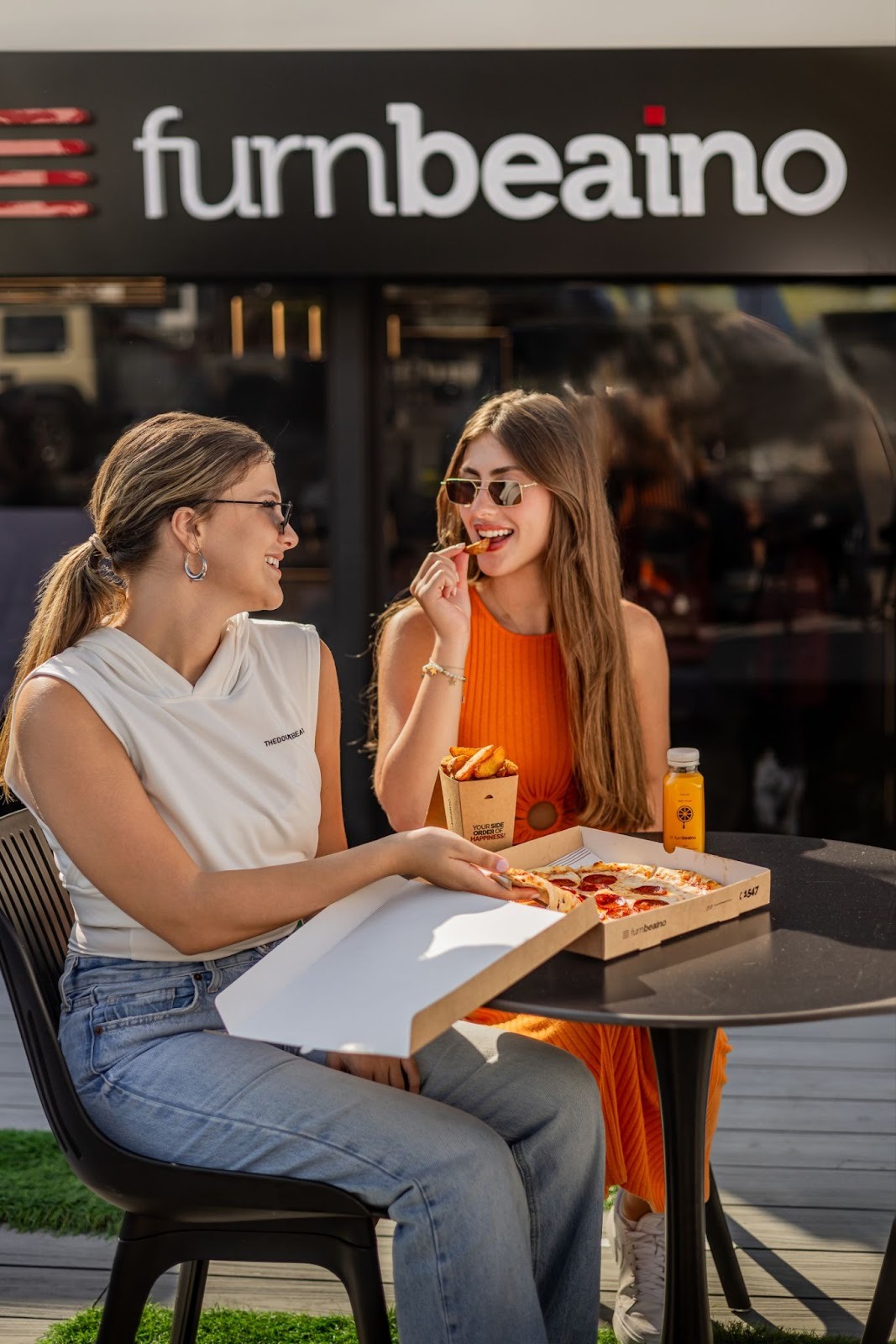
Today, the Furn Beaino family is growing in Lebanon and in the UAE. The menu has grown to include wraps, salads, pizzas, and desserts. Yet that original lahm baajin—prepared by the same hands that shaped it fifty-one years ago—remains the heart of everything. A father’s devotion, baked fresh daily, served with pride across two countries and counting.