

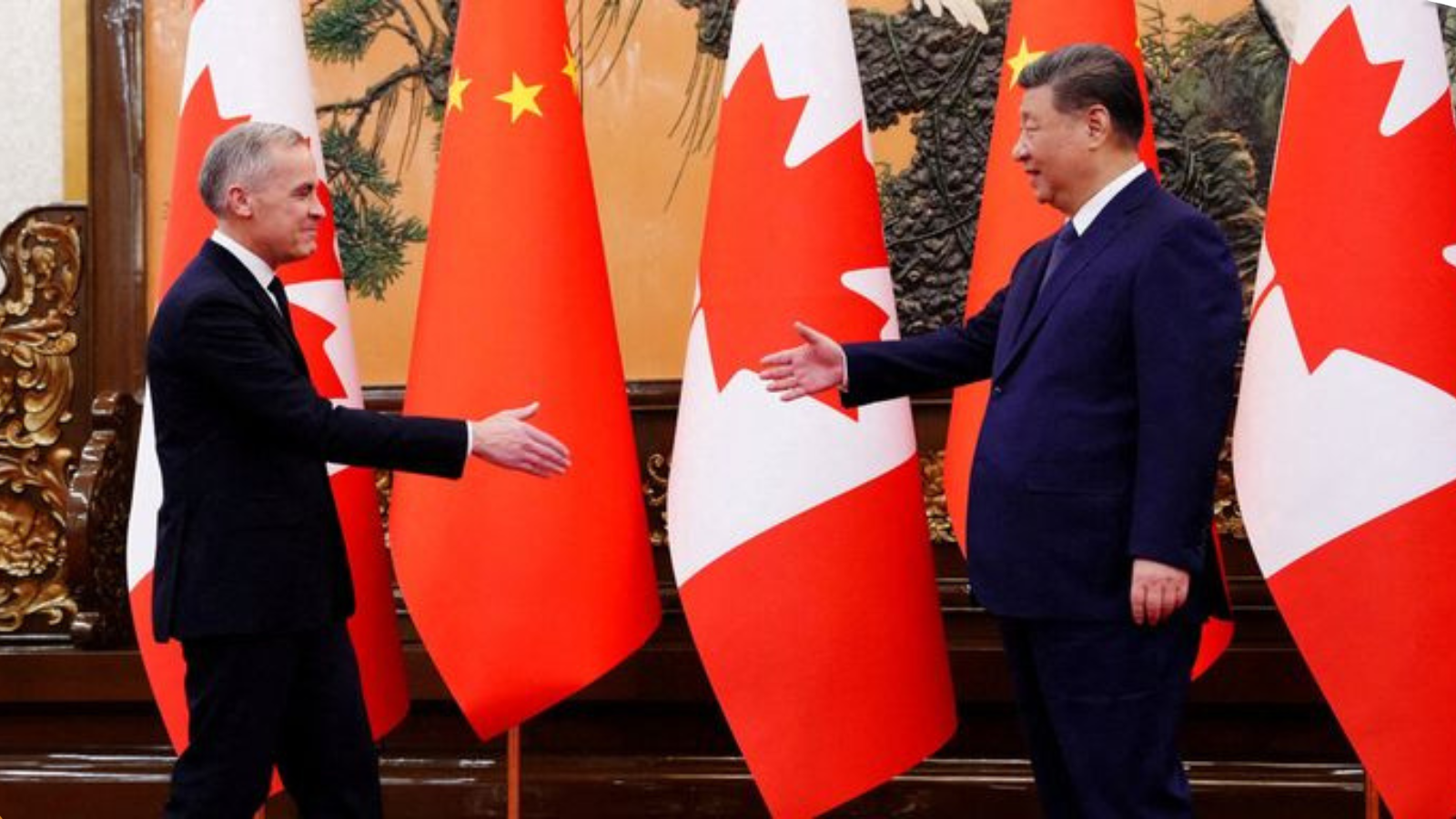
Mark Carney’s anticipated engagement with Beijing signals more than a routine diplomatic visit. It reflects a broader recalibration of Canada’s economic strategy at a time when long-standing alliances are being tested by shifting political priorities south of the border. As the United States doubles down on an inward-looking economic agenda, Canada finds itself weighing new pathways to secure growth and stability.
For decades, Canada’s economic fortunes have been closely tied to the U.S., its largest trading partner. Yet the resurgence of protectionist rhetoric and policy under an “America First” framework has introduced new uncertainties. Tariffs, supply chain nationalism, and tighter trade conditions have compelled Canadian policymakers and business leaders to consider diversification not as an option, but as a necessity.
Carney, with his global financial expertise and experience navigating economic turbulence, represents a figure uniquely positioned to lead this dialogue. His approach suggests a pragmatic shift rather than a dramatic realignment, one that seeks to hedge risks while maintaining core alliances.
Beijing as Both Opportunity and Challenge
China presents a compelling, if complex, opportunity for Canada. As one of the world’s largest markets, it offers scale, demand, and investment potential that few countries can match. For Canadian exporters in sectors such as agriculture, natural resources, and clean energy, deeper engagement could unlock significant growth.
However, the relationship is layered with political sensitivities and strategic caution. Previous tensions between Ottawa and Beijing have underscored the fragility of diplomatic ties. Issues ranging from human rights concerns to national security considerations continue to shape public and political discourse within Canada, making any deepened engagement a carefully balanced endeavor.
Carney’s visit is expected to focus on economic cooperation while navigating these broader concerns. His credibility in global financial circles may help establish a framework for dialogue that prioritizes mutual economic benefit without sidelining Canada’s values. This balancing act will be critical in determining whether renewed engagement with China can translate into tangible outcomes.
The Pressure of America First Policies
The United States’ evolving trade posture has had a ripple effect across North America. Policies designed to prioritize domestic industries have introduced friction into previously seamless cross-border trade flows. For Canadian manufacturers and exporters, this has meant adapting to new regulatory environments and, in some cases, absorbing higher costs.
This shift has also prompted a broader conversation within Canada about economic sovereignty. While the U.S. remains an indispensable partner, there is growing recognition that overreliance carries inherent risks. Diversifying trade relationships is increasingly seen as a strategic imperative rather than a theoretical goal.
Carney’s engagement with Beijing can be viewed within this context. It is not about replacing one partner with another, but about expanding Canada’s economic toolkit. By strengthening ties with multiple global players, Canada aims to build resilience against external shocks and policy shifts that lie beyond its control.
A New Chapter in Canada’s Global Positioning
What emerges from this moment is a portrait of a country reassessing its place in a rapidly evolving global order. Canada’s approach appears to be one of cautious expansion, seeking new partnerships while preserving existing ones. This dual-track strategy reflects both the opportunities and constraints of operating within an interconnected global economy.
Carney’s role in this transition underscores the importance of leadership that can bridge economic theory and real-world diplomacy. His ability to engage with diverse stakeholders, from government officials to business leaders, will be crucial in translating strategic intent into actionable outcomes. The visit to Beijing may serve as an early indicator of how effectively Canada can execute this vision.
At its core, this shift is about adaptability. As global trade dynamics continue to evolve, countries that can pivot thoughtfully and strategically will be better positioned to thrive. For Canada, the path forward involves embracing complexity, managing competing interests, and crafting a trade strategy that reflects both its values and its ambitions.