

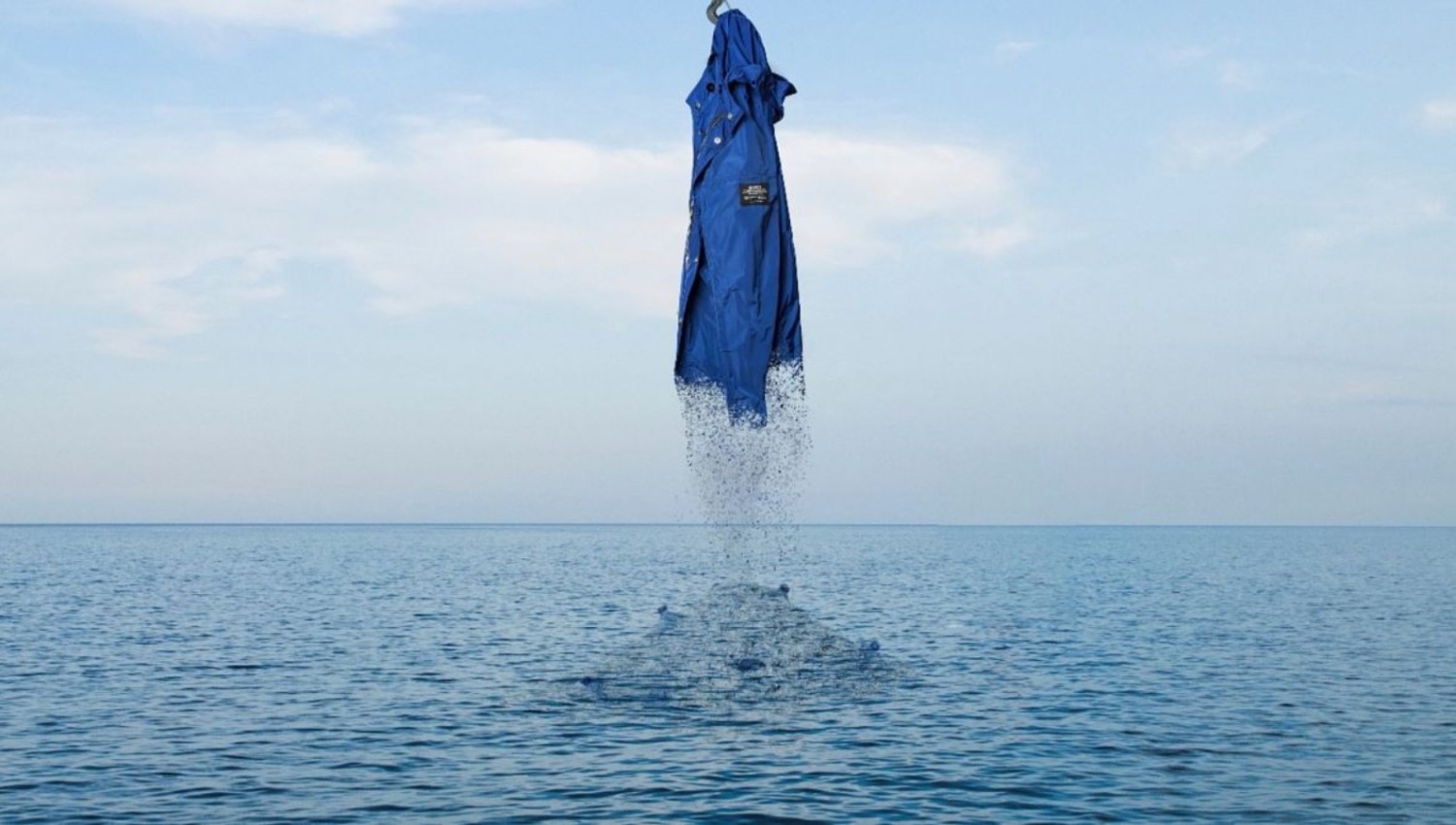
Spanish fashion brand Ecoalf is making clothes from rubbish pulled out of the sea by fishing crews. Through its not-for-profit foundation, the Madrid-based label works with almost 5,000 fishermen, who bring the waste caught in their nets back to port so it can be sorted and turned into fabric.
The scheme, called Upcycling the Oceans, began in 2015. Since then it has recovered more than 2,000 tonnes of marine waste, the equivalent of about 100 truckloads of rubbish. It now involves around 80 ports and has spread to France, Italy, Greece, Egypt and Thailand. The foundation admits that this is a small dent in the problem: more than 12 million tonnes of plastic reach the oceans each year, about one truckload every minute. Its director, Andrea Ruzo, says the aim has always been to bring together 10,000 fishermen to help clean up the Mediterranean.
For the crews, the problem is part of daily work. Tony Beltrán, who fishes out of Gandía, south of Valencia, says plastic alone now makes up about 80% of everything his boat brings up. Before the scheme, fishermen collected waste without separating it. The foundation set up a system that lets the crews hand the waste over at port, where it can be sorted and sent on for processing.
Most of what is recovered, such as glass and metal, goes into standard recycling. About 5% is plastic bottles, which Ecoalf turns into a fibre it calls Ocean Yarn. Ángela Pérez, who leads textile innovation and sustainability at the company, explains that the waste is shredded into flakes and then pellets before it is spun. At its Madrid headquarters, Ecoalf turns that yarn into fabric alongside other recycled materials, including old fishing nets, tyres, cotton and wool. Creative director Julie Sohn says every garment is designed so it can be fully taken apart, with no extra processing, and returned to the circular economy.
Founded in 2009, Ecoalf now has about 300 employees, annual revenue of around €65 million and stores in many countries. Chief marketing officer Carolina Álvarez-Ossorio names overconsumption and overproduction as the industry’s main problems. In her view, brands have to go further than one-off sustainable capsules or a single recycled material and apply eco-design from the start. Whether recycling can keep pace with the volume of new waste remains the open question.