
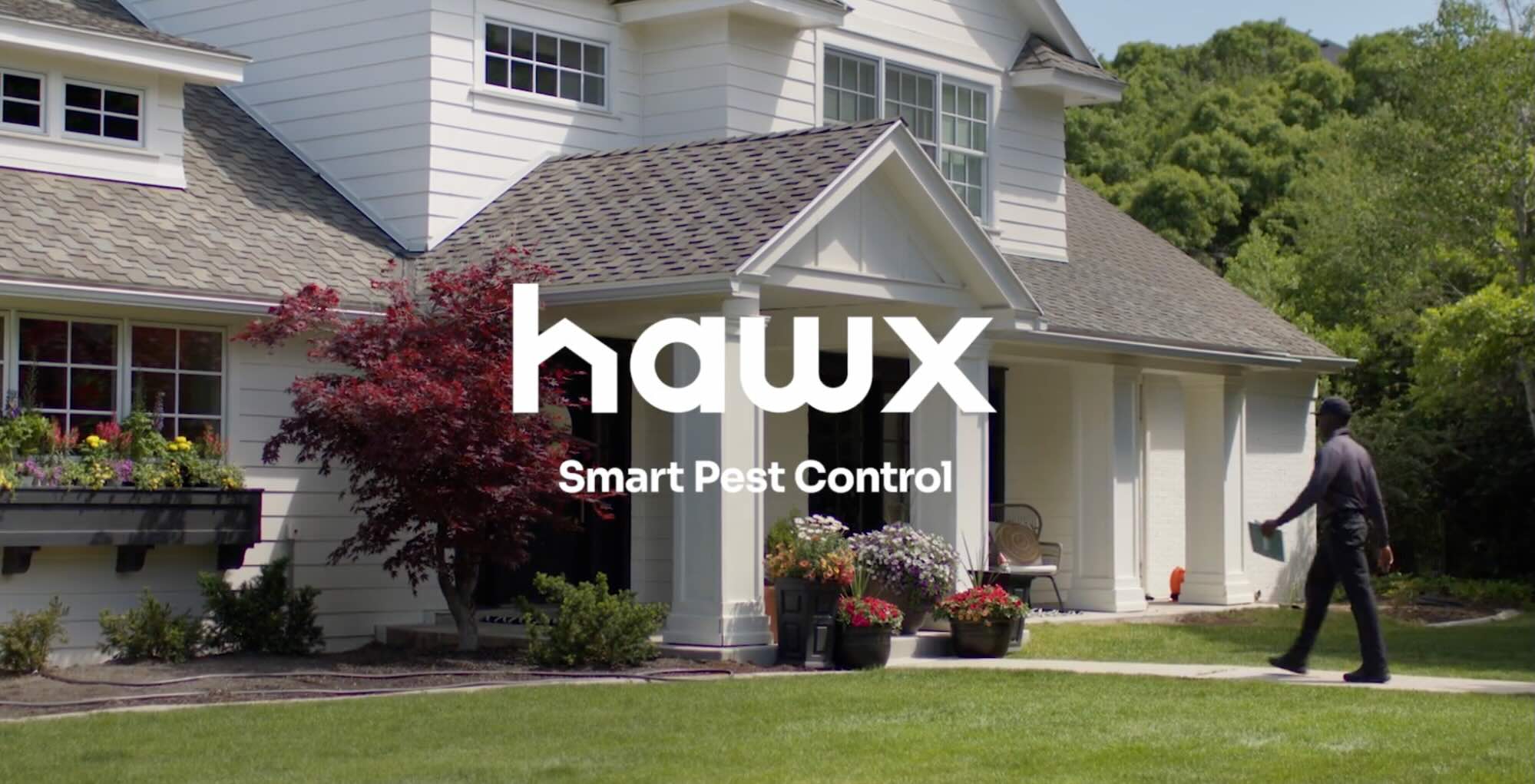
Hawx Smart Pest Control received the National Pest Management Association’s inaugural Excellence in Sustainability Award at PestWorld in 2025, a distinction that placed the company at the center of a broader conversation about environmental performance in pest management. The recognition marked an early milestone for an industry that has traditionally been defined by service outcomes, safety, and regulatory compliance, rather than public sustainability benchmarks.
Presented at PestWorld, a major trade event for the pest management industry, the award reflected a growing emphasis on how companies measure operational impact alongside customer service. For Hawx, the moment served as both a public acknowledgment of its internal efforts and an opportunity to highlight sustainability as a practical business concern rather than a branding exercise.
Sustainability Moves Into the Foreground
For years, pest control companies largely operated outside the public spotlight, even as they played a routine role in protecting homes, businesses, and public health. That has begun to change as environmental expectations rise across industries and customers increasingly pay attention to how services are delivered, not only what results they produce.
Hawx has positioned itself within that shift by emphasizing operational efficiency, environmental accountability, and measurable performance. According to the company, that approach includes examining issues such as fuel use, vehicle idle time, and pesticide application practices as part of a broader effort to reduce waste and improve consistency.
Matthew Mehr, president and co-founder of Hawx, framed the company’s strategy as an attempt to align business performance with environmental responsibility. “Two things can be true—we can operate an efficient business while doing what is right for the environment,” he said. “If done correctly, there aren’t tradeoffs between the two objectives.”
A Broader Industry Role
The award also drew attention to Hawx’s involvement beyond its own operations. Mehr served on the National Pest Management Association’s Sustainability Task Force, where he helped develop impact measurement tools and sustainability scorecards intended for use across the industry. Those resources were designed not only to assess internal progress, but also to offer pest management companies a more structured way to document and improve their environmental practices.
That collaborative role appears to be part of the reason Hawx’s recognition resonated at PestWorld. Rather than treating sustainability as a proprietary advantage, the company has said it wants to make practical tools available to peers across the field. According to the original reporting, Mehr and other Hawx team members were invited to present their approach to industry colleagues over the following year, as the association distributed the tools more broadly.
Mehr described the effort as larger than one company. “Our work doesn’t stop at Hawx,” he said. “We’re providing the entire industry with practical ways to document progress and implement meaningful change.” That language reflects a more collective model of progress, one in which trade associations and operators work together to establish clearer standards.
Changing Expectations in Pest Management
The recognition comes at a time when pest management companies face rising pressure to balance effectiveness with environmental care. Consumers increasingly expect providers to protect homes and businesses without unnecessary environmental harm, and that expectation is gradually reshaping how companies talk about service quality and operational responsibility.
Hawx has linked its sustainability work to that change in public expectations. The company says responsible pest management and strong service outcomes can reinforce one another, particularly when technicians and operators focus on efficiency, resource use, and application controls. That framing suggests sustainability is becoming less of a separate initiative and more of an operating principle within day-to-day pest management work.
Scott Wilson, chief executive officer and co-founder of Hawx, summarized that view in straightforward terms. “Real progress means protecting both homes and habitats,” he said. “This isn’t about showmanship. It’s about proving that environmental care and quality service work together.” His comments point to a broader industry challenge: demonstrating that environmental stewardship can be integrated into routine service delivery rather than treated as a secondary goal.
An Award With Industry Implications
As trade groups and member companies continue to define what sustainability looks like in practice, awards like this one may carry weight beyond a single winner. The National Pest Management Association’s decision to introduce an Excellence in Sustainability Award suggests that environmental performance is becoming a more visible benchmark within the sector.
For Hawx, the recognition offered validation, but it also underscored the larger direction of the industry. Pest management will remain focused on protecting property, health, and agricultural systems. Increasingly, however, companies are also being asked to show how those efforts fit within wider environmental responsibilities.