

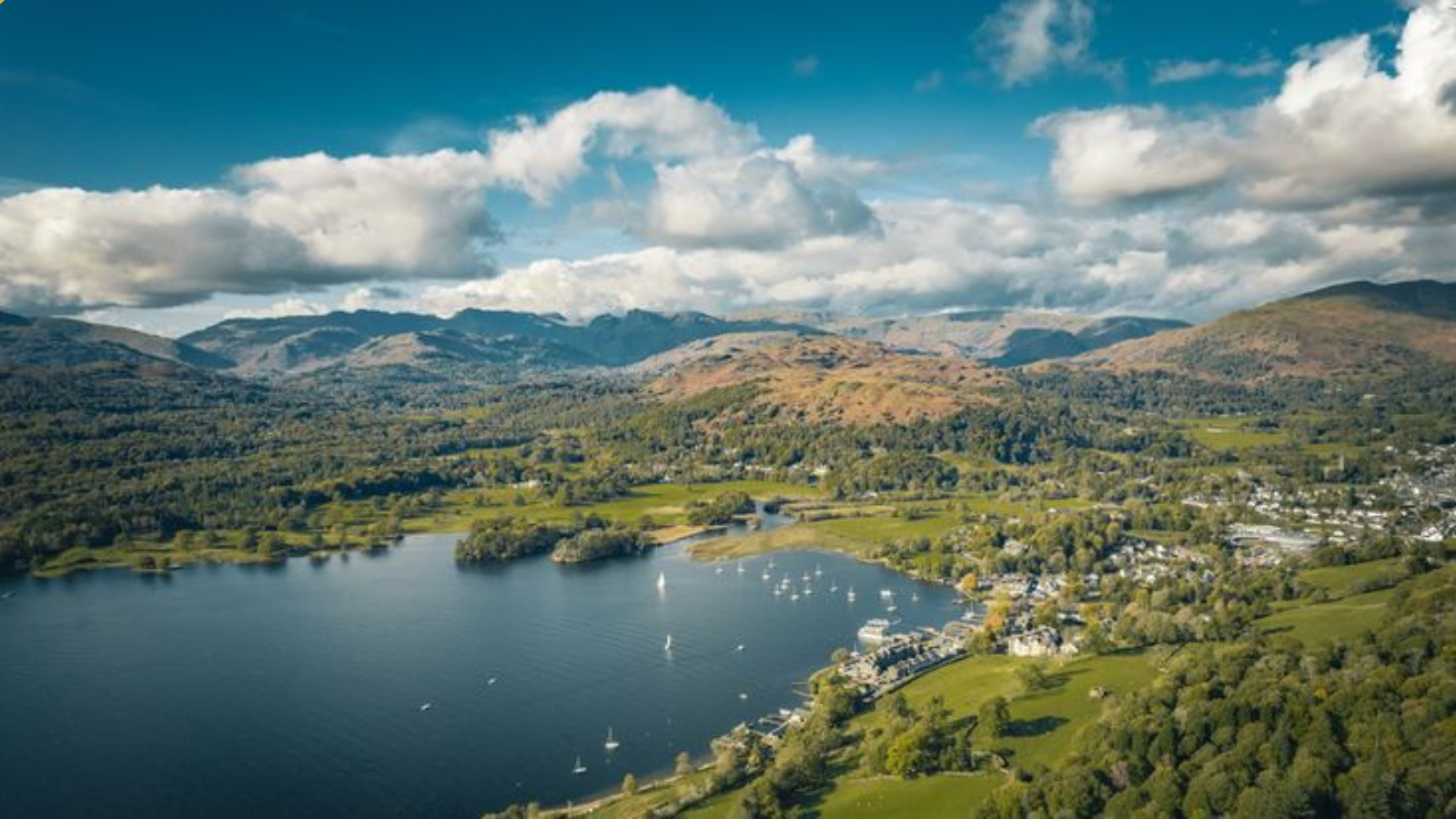
It was never meant to be transformative. For many travelers, a trip to England’s Lake District begins as a quiet escape, a break from deadlines and digital noise. But somewhere between the low-hanging clouds and the steady rhythm of rain against waterproof jackets, something shifts. The landscape does not demand attention in loud or obvious ways. Instead, it seeps in slowly, through mist-covered hills and the reflective stillness of its waters.
What begins as a simple walk often turns into something more introspective. Without the distractions of city life, visitors find themselves confronting thoughts long pushed aside. The drizzle, persistent and unglamorous, becomes part of the experience rather than a hindrance. It softens the edges of everything, including the mental clutter people carry with them.
For some, this subtle immersion becomes a reset. The Lake District does not offer spectacle in the conventional sense. It offers space, and in that space, many rediscover a clarity they did not realize they had lost.
Rain as a Companion, Not an Obstacle
There is a certain resistance travelers feel toward bad weather, especially when it threatens carefully planned itineraries. Yet in the Lake District, rain is less an inconvenience and more a defining character of the place. It reshapes expectations and forces a slower, more deliberate pace.
Walking through the drizzle requires attention. Paths become slick, visibility shifts, and every step demands presence. In that heightened awareness, the mind has less room to wander anxiously. Instead, it settles into the rhythm of movement. The sound of rain becomes meditative, almost grounding.
Many who arrive hoping for clear skies leave with a different appreciation. The rain, rather than diminishing the experience, deepens it. It strips away the need for perfection and replaces it with something more authentic. Travelers often describe this shift not as dramatic, but as quietly profound.
Landscapes That Mirror the Mind
The Lake District has long been associated with reflection, both literal and emotional. Its lakes act as mirrors, capturing shifting skies and blurred silhouettes of surrounding hills. That same reflective quality extends inward, encouraging visitors to examine their own mental landscapes.
There is a reason writers and poets have been drawn to this region for centuries. The environment invites observation, not just of the scenery but of one’s internal state. Long walks without interruption create a rare opportunity for uninterrupted thought. For some, it leads to creative breakthroughs. For others, it simply offers a sense of calm that feels unfamiliar yet deeply needed.
Even brief encounters can leave a lasting impression. A single afternoon spent walking along a quiet trail can linger in memory long after the trip ends. It is not about what is seen, but what is felt in those moments of stillness.
Returning Home, But Not the Same
The true impact of such journeys often reveals itself after returning home. The noise of daily life resumes quickly, but something beneath it feels altered. Travelers report a subtle shift in how they approach stress, decisions, and even relationships.
It is not that the Lake District provides answers. Rather, it creates the conditions for people to hear their own thoughts more clearly. That clarity tends to stay, even if only partially, influencing choices in ways that are difficult to quantify but easy to feel.
In a world increasingly driven by speed and constant connection, these quiet transformations carry weight. They remind people that change does not always come from grand gestures or dramatic events. Sometimes, it arrives in the form of a slow walk under gray skies, where the only soundtrack is rain and the steady rhythm of your own footsteps.