

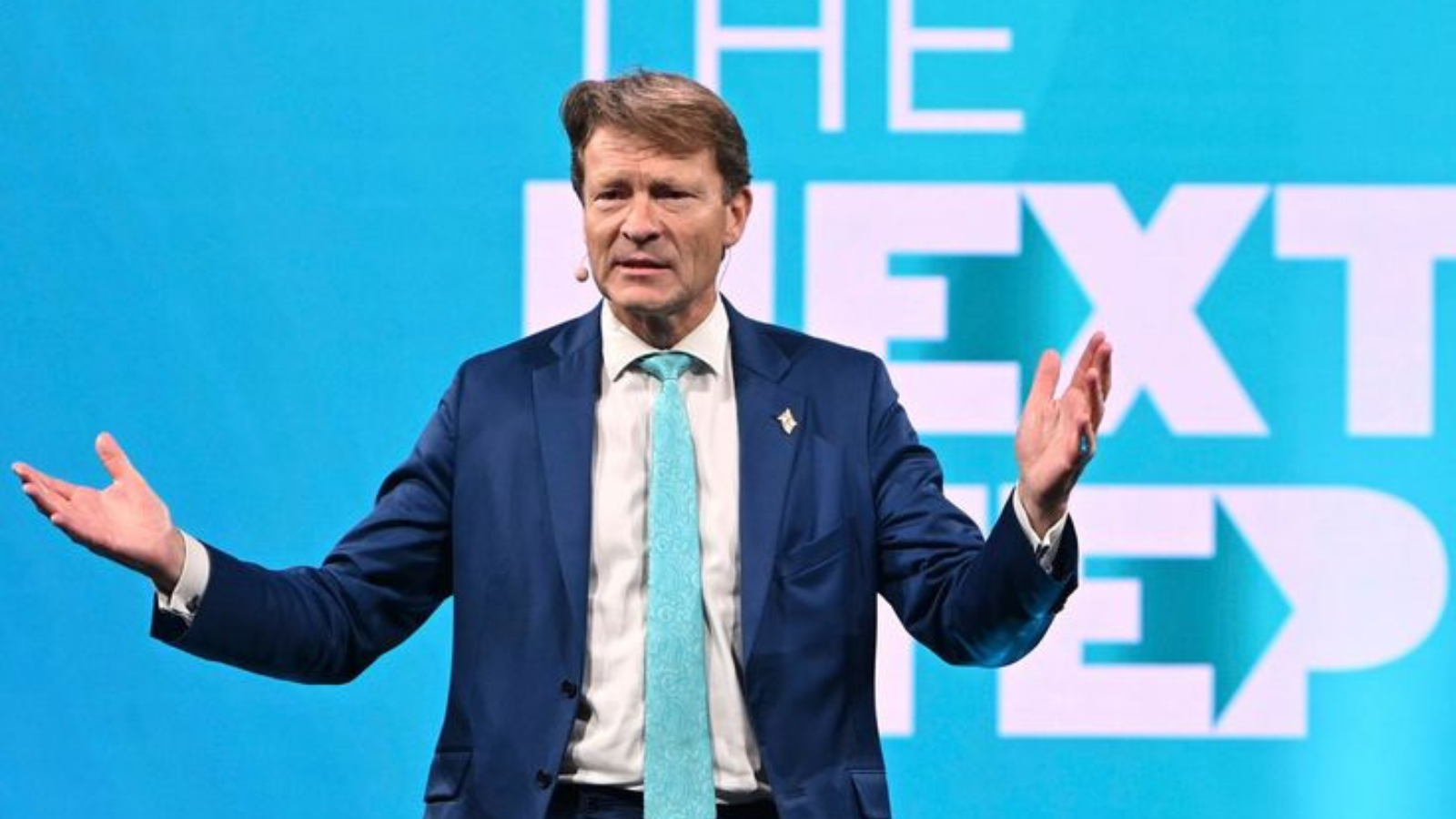
For years, Robert Jenrick embodied the image of a mainstream Conservative moderniser: buttoned‑down, economically orthodox, and careful with his words in broadcast studios and parliamentary corridors alike. His decision in January 2026 to cross the floor and join Nigel Farage’s Reform UK was therefore more than a routine reshuffle of Westminster allegiances; it was a moment that revealed just how fluid the British right has become.
Jenrick’s defection came within hours of his dismissal from Kemi Badenoch’s shadow cabinet team, after the opposition leader concluded he had been covertly preparing his exit to Reform. Stripped of the Conservative whip and suspended from the party, he responded by embracing the outsider brand he once kept at arm’s length, telling allies that the country was “broken” and that the traditional two‑party system no longer offered the kind of rupture he believed voters were demanding.
For Farage, who rebranded the Brexit Party into Reform UK in 2021 and finally entered Parliament in 2024, the arrival of a former senior Tory minister amounted to both validation and escalation. The party that began as a protest vehicle for disillusioned Brexit voters now boasts a figure who once sat at the heart of Conservative leadership conversations, and who brings with him both name recognition and a lived experience of Tory decline.
Inside The Drama Of A Calculated Break
The official choreography of Jenrick’s exit was brisk, but behind it lay months of quiet probing, aborted plans and internal suspicion. Reporting suggests that he first began sounding out Reform contacts in the autumn of 2025, gauging whether there was room for a traditional Conservative with ministerial credentials inside a party often caricatured as purely populist. Those conversations deepened as polling showed Reform eating into Conservative support, especially among culturally conservative but economically anxious voters.
If Jenrick hoped to control the timing of his leap, that plan was derailed. A leak from within Conservative circles exposed his intentions to Badenoch, who moved pre‑emptively, sacking him from the shadow cabinet and announcing his suspension on social media with language that underscored a sense of personal betrayal. Far from deterring him, the spectacle of being cast out by his own side appears to have hardened Jenrick’s view that the party he joined as a young activist no longer had space for his brand of politics.
When he finally appeared alongside Farage, it was with the theatrical framing that has become a hallmark of Reform’s media strategy. A brief, cryptic message on X trailed his appearance before cameras, before Farage confirmed what Westminster had already guessed: Jenrick would be joining his ranks. The Reform leader even joked that Badenoch had “sped up” the process by ejecting Jenrick, turning what might have been a slow‑burn story into a single, dramatic news cycle.
What Jenrick Brings To Reform UK
For all the personal drama, the strategic calculus is straightforward. Jenrick is the most established Westminster figure to move to Reform so far, following earlier defections by Conservatives who carried less ministerial heft. He offers the party something it has long craved: proof that its appeal now extends beyond protest voters and political outsiders to those who once expected to climb the ministerial ladder under a Conservative banner.
His presence helps to soften Reform’s image among voters who are culturally conservative but wary of political chaos. Jenrick’s record in government and on the opposition front bench gives Farage a ready‑made surrogate who can speak the technocratic language of Whitehall while still echoing Reform’s insurgent narrative on immigration, crime and the economy. In television studios and business‑focused debates, he can present Reform not just as a howl of anger but as a party staffed by people who know how the machinery of the state actually works.
There is also a psychological effect within Westminster. Each high‑profile defection chips away at the notion that backing Reform is a career‑ending move for ambitious Conservatives. As the party’s polling has strengthened and its base has consolidated around a mix of cultural conservatism and selective economic populism, figures like Jenrick serve as proof of concept: you can leave the Tory tribe and still exert national influence, perhaps even more than before.
A Symptom Of A Fractured Right
Jenrick’s leap cannot be separated from the deeper malaise gripping the British centre‑right. Years after the Brexit referendum, the Conservative Party is still riven by arguments over how hard‑line to be on Europe, immigration and climate policy, and how far to embrace the kind of combative culture‑war rhetoric that has powered Farage’s career. Reform has positioned itself as the home for those who believe the Conservatives talk tough but govern timidly, promising sharper cuts on net migration, louder opposition to perceived “woke” agendas, and a more confrontational approach to institutions.
That stance has resonated with a growing pool of voters who may not identify as traditional right‑wingers in economic terms but are animated by questions of identity, borders and national pride. Research suggests Reform supporters tend to be more firmly right‑leaning on cultural issues than on taxation or state spending, mixing social conservatism with a readiness to back populist economic interventions when they feel the system is stacked against them. It is precisely this blend that unnerves Conservative strategists, who fear losing a generation of working‑ and lower‑middle‑class voters they once considered safely theirs.
Whether Jenrick’s move proves to be an inflection point or a colourful footnote will depend on what follows. If he remains an isolated case, Conservatives will cast him as a cautionary tale of personal overreach. But if others follow, particularly from the party’s younger ranks, his defection will look less like an act of individual rebellion and more like an early chapter in the splintering of Britain’s post‑Brexit right, with Farage once again at the centre of the story.