

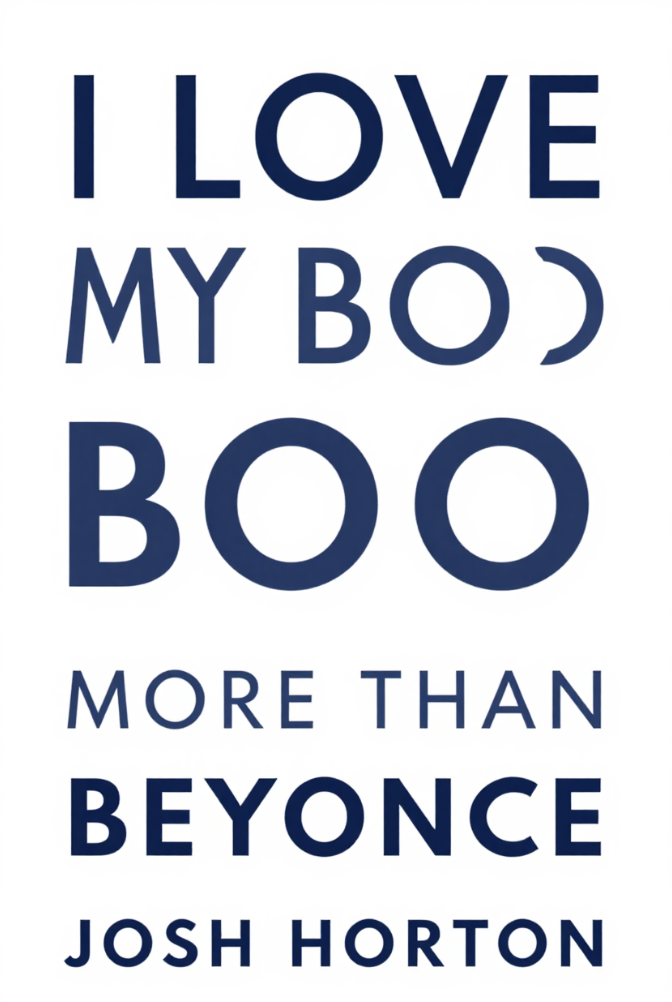
The title alone does the heavy lifting. I Love My Boo-Boo More Than Beyoncé is not the kind of book that arrives quietly. It is the kind of title that gets read aloud at dinner tables, forwarded in group chats, and remembered weeks after someone forgets the name of the author. In this case, the author has made sure his name is hard to forget too.
Josh Horton, the founder behind Josh Horton Holdings and the face of josh.com, wrote the book. He also decided, with characteristic confidence, that the title should be exactly as bold as it sounds. In a publishing market saturated with self-help frameworks, business memoirs, and thinly disguised personal mythology dressed up as advice, the decision to lead with humor and audacity is either a miscalculation or a very deliberate one. Horton clearly believes it is the latter.
The book as a commercial asset
Horton is not treating the book as a passion project separate from his business interests. The PR strategy he assembled around the title is structured around driving measurable traffic, specifically to an Amazon page, and building the kind of visibility that converts curiosity into sales. Monthly articles in major publications, a coordinated media presence, and a sequenced credibility campaign are all part of the plan.
That approach reflects how Horton thinks about most of what he builds. The book is not just a book. It is a piece of a larger commercial infrastructure that includes Josh Horton Holdings, the digital identity at josh.com, and a personal brand built steadily across content creation, performance, and now publishing.
Why the title is the strategy
In a crowded market, discoverability is the primary problem. Most books fail not because they are bad but because no one finds them. The solution most authors reach for is conventional: endorsements, reviews, interviews, serialized excerpts. Horton’s solution starts earlier, with a title that creates its own conversation before anyone has opened the first page.
The Beyoncé reference is not random. It situates the book in a cultural conversation that extends well beyond the publishing industry, signals that the author has a sense of humor about cultural hierarchies, and generates precisely the kind of word-of-mouth that no advertising budget can fully replicate. Whether the content lives up to the title is a question for readers. Whether the title generates enough attention to give readers the chance to find out, that part of the strategy appears to be working as designed.