

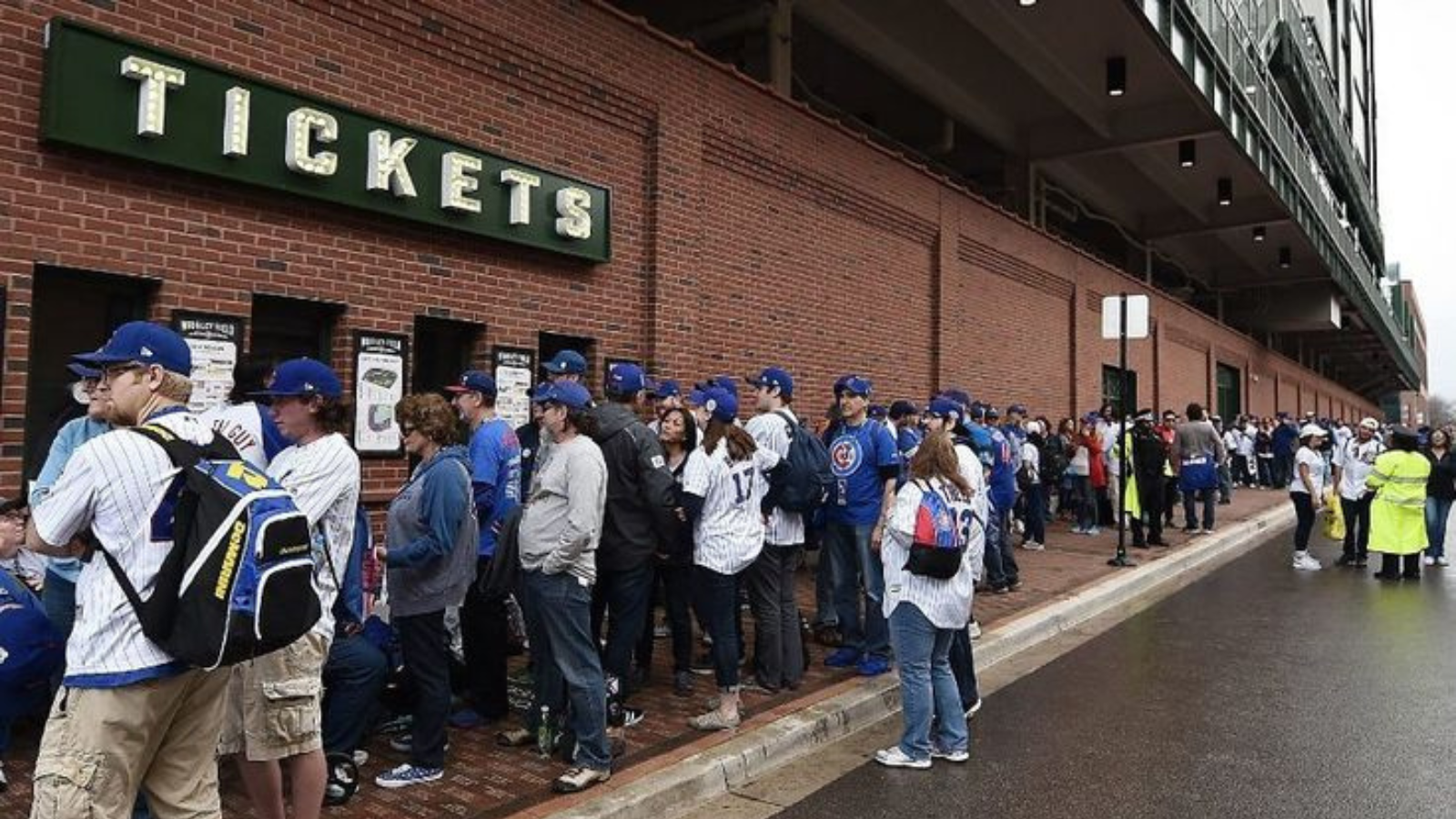
For many music fans, the thrill of securing a ticket to a live show has increasingly been overshadowed by frustration. Prices for major concerts and events have surged in recent years, often driven higher by dynamic pricing models and aggressive resale markets. What begins as an affordable ticket at launch can quickly spiral into a costly purchase once it reaches secondary platforms, leaving fans feeling priced out of experiences they once took for granted.
This growing discontent has fueled broader conversations about fairness in the live entertainment industry. Critics argue that while artists and promoters benefit from high demand, ordinary fans are caught in a system that lacks transparency and safeguards. The sense that ticketing has become a marketplace favoring profit over accessibility has only intensified calls for reform.
Against this backdrop, new proposals aim to address the imbalance. By targeting both pricing mechanisms and resale practices, policymakers are seeking to restore a sense of equity to an industry that thrives on public enthusiasm yet often leaves its most loyal supporters behind.
Proposed Caps and Market Intervention
Central to the proposal is the idea of placing limits on how much ticket prices can rise, particularly in high demand situations. The intention is not to undermine the commercial viability of events but to prevent excessive markups that push tickets beyond reasonable reach. Advocates suggest that such caps could create a more predictable and fair pricing environment, ensuring that fans have a genuine chance to attend events without financial strain.
Alongside price controls, there is a renewed focus on regulating resale platforms. Secondary markets have long operated in a gray area, where tickets can be resold at multiples of their original price with little oversight. By introducing stricter rules, including limits on resale markups and enhanced transparency requirements, the proposal aims to curb exploitative practices that have become commonplace.
Supporters argue that these measures could help rebalance the relationship between fans, artists, and ticketing platforms. While some industry voices caution against heavy-handed regulation, others acknowledge that the current system risks alienating audiences if left unchecked. The debate reflects a broader tension between free market dynamics and consumer protection in the digital age.
Tackling the Role of Ticket Touting
One of the most contentious aspects of the ticketing ecosystem is the role of professional resellers, often referred to as touts. These operators use sophisticated tools to purchase large volumes of tickets the moment they go on sale, only to relist them at inflated prices. For everyday fans, this practice creates the perception that events sell out instantly, even when many tickets are simply being diverted into resale channels.
The proposed measures seek to disrupt this cycle by introducing stricter enforcement against bulk buying and automated purchasing systems. By closing loopholes and increasing penalties for violations, policymakers hope to reduce the influence of large-scale resellers who dominate the secondary market. The goal is to ensure that tickets reach genuine fans rather than being treated as commodities for speculation.
At the same time, there is recognition that not all resale activity is harmful. Many fans rely on secondary platforms to resell tickets they can no longer use. The challenge lies in distinguishing between legitimate exchanges and exploitative practices. Crafting regulations that address this nuance will be key to the effectiveness of any reform.
What It Means for Fans and the Industry
If implemented, these changes could reshape the live entertainment landscape in meaningful ways. For fans, the promise of fairer pricing and greater access is likely to be welcomed. The ability to purchase tickets without competing against automated systems or facing steep resale markups could restore confidence in the ticketing process.
For the industry, however, the implications are more complex. Promoters and ticketing companies may need to adapt their business models, particularly if price caps limit revenue potential. There is also the question of enforcement, as ensuring compliance across a global and digitally driven market presents significant challenges.
Yet the broader significance of these proposals lies in their attempt to redefine the balance between commerce and culture. Live events occupy a unique space where economic interests intersect with shared human experiences. By addressing the structural issues within ticketing, policymakers are not only responding to consumer frustration but also acknowledging the cultural importance of making these experiences accessible.
As the conversation continues, one thing is clear. The future of ticketing will depend on finding a sustainable middle ground that preserves both the vitality of the industry and the trust of its audience.