

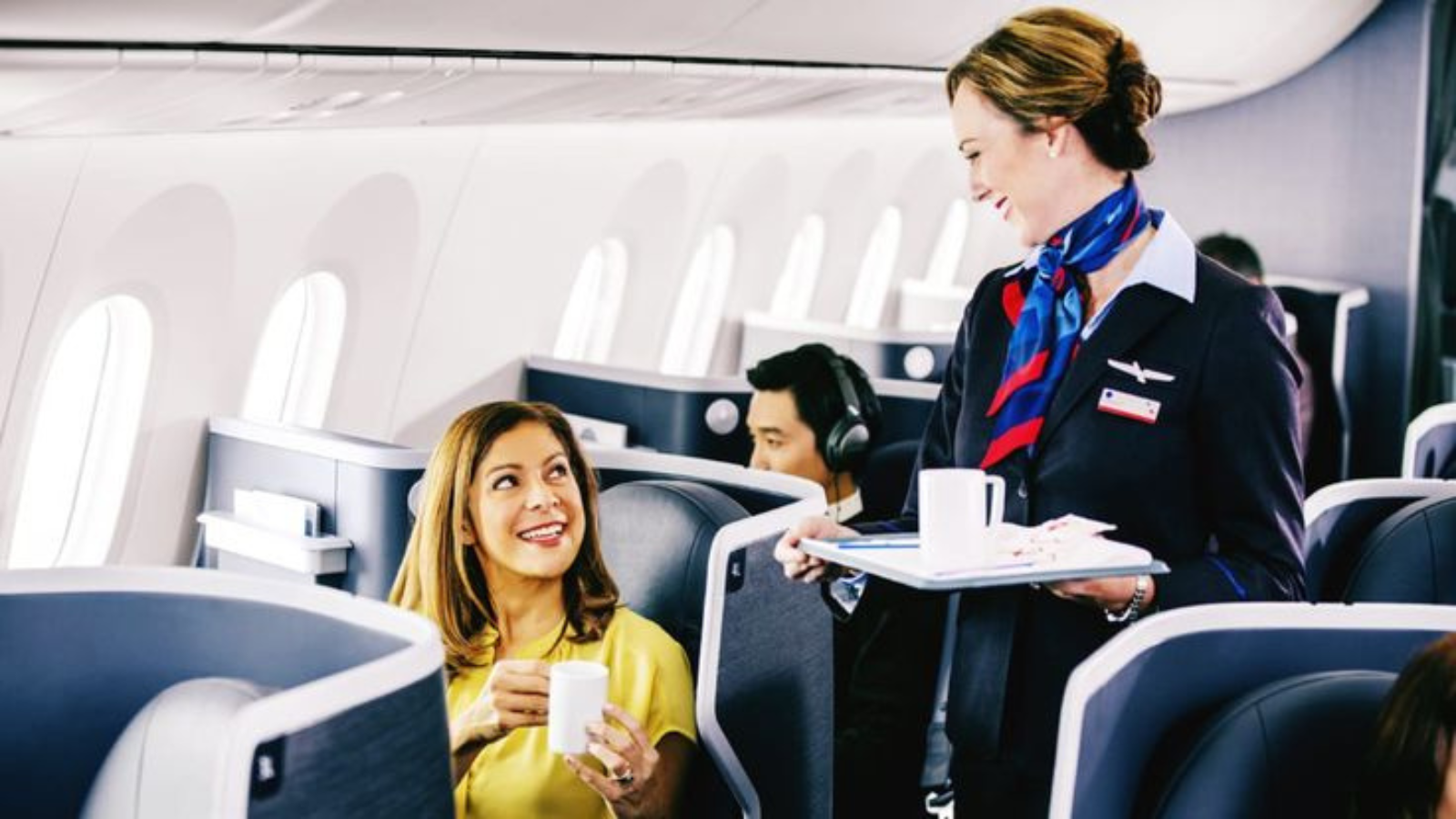
After years of elevated fares in premium cabins, a noticeable recalibration is underway across long-haul routes. Business class tickets, once buoyed by pent-up demand and limited capacity, are beginning to soften as Gulf-based airlines quietly adjust their pricing strategies. The move reflects a broader industry effort to rebalance supply and demand without compromising the prestige associated with premium travel.
This shift is not being driven by a sudden drop in interest, but rather by a maturing travel cycle. Corporate travel has returned, though not at pre-pandemic intensity, while leisure travelers who once splurged on upgraded experiences are becoming more price-sensitive. Airlines are responding with more competitive pricing structures, signaling a transition from scarcity-driven pricing to a more sustainable demand model.
Competition Intensifies on Global Routes
The Gulf carriers, long recognized for redefining luxury air travel, are now navigating a more competitive landscape. As international routes stabilize and more carriers restore full operations, the battle for high-yield passengers has intensified. Premium cabins are no longer selling themselves purely on brand reputation; pricing has become a critical lever.
Airlines are subtly repositioning themselves, offering more flexible fare classes and targeted promotions aimed at both corporate clients and affluent leisure travelers. This recalibration is especially visible on key intercontinental routes connecting Europe, Asia, and North America, where travelers have a wider array of options than at any point in recent years. The result is a more dynamic pricing environment that favors those willing to plan ahead or remain flexible.
The Changing Profile of Premium Travelers
Behind the pricing adjustments lies a deeper transformation in traveler behavior. The traditional business traveler, once the backbone of premium cabin demand, is no longer as predictable. Hybrid work models and digital connectivity have reduced the necessity of frequent long-haul trips, prompting airlines to rethink their reliance on corporate contracts.
At the same time, a new segment of travelers has emerged. These are individuals who prioritize comfort and experience but remain highly conscious of value. They are more likely to compare options, track fare fluctuations, and capitalize on promotional windows. For airlines, this means designing offerings that appeal to both emotion and economics, blending luxury with perceived value rather than exclusivity alone.
Balancing Prestige and Accessibility
For premium-focused airlines, the challenge lies in maintaining brand prestige while making business class more accessible. Lowering fares too aggressively risks diluting the exclusivity that defines the experience, yet holding prices too high may leave seats unfilled in an increasingly competitive market. The current approach appears to be one of careful calibration rather than dramatic change.
Cabin enhancements, improved in-flight services, and refined ground experiences continue to play a central role in justifying premium fares. However, pricing strategies are becoming more nuanced, with airlines experimenting with bundled offerings, limited-time deals, and loyalty-driven incentives. These efforts suggest a broader shift toward personalization, where value is tailored rather than uniformly defined.
As global travel continues to evolve, the premium cabin is no longer a static symbol of status but a dynamic product shaped by shifting expectations. The easing of fares does not signal a decline in luxury but rather an adaptation to a more discerning and diversified traveler base. For passengers, it marks an opportunity to access elevated experiences at more attainable price points, while for airlines, it represents a delicate balancing act between demand, competition, and brand identity.