

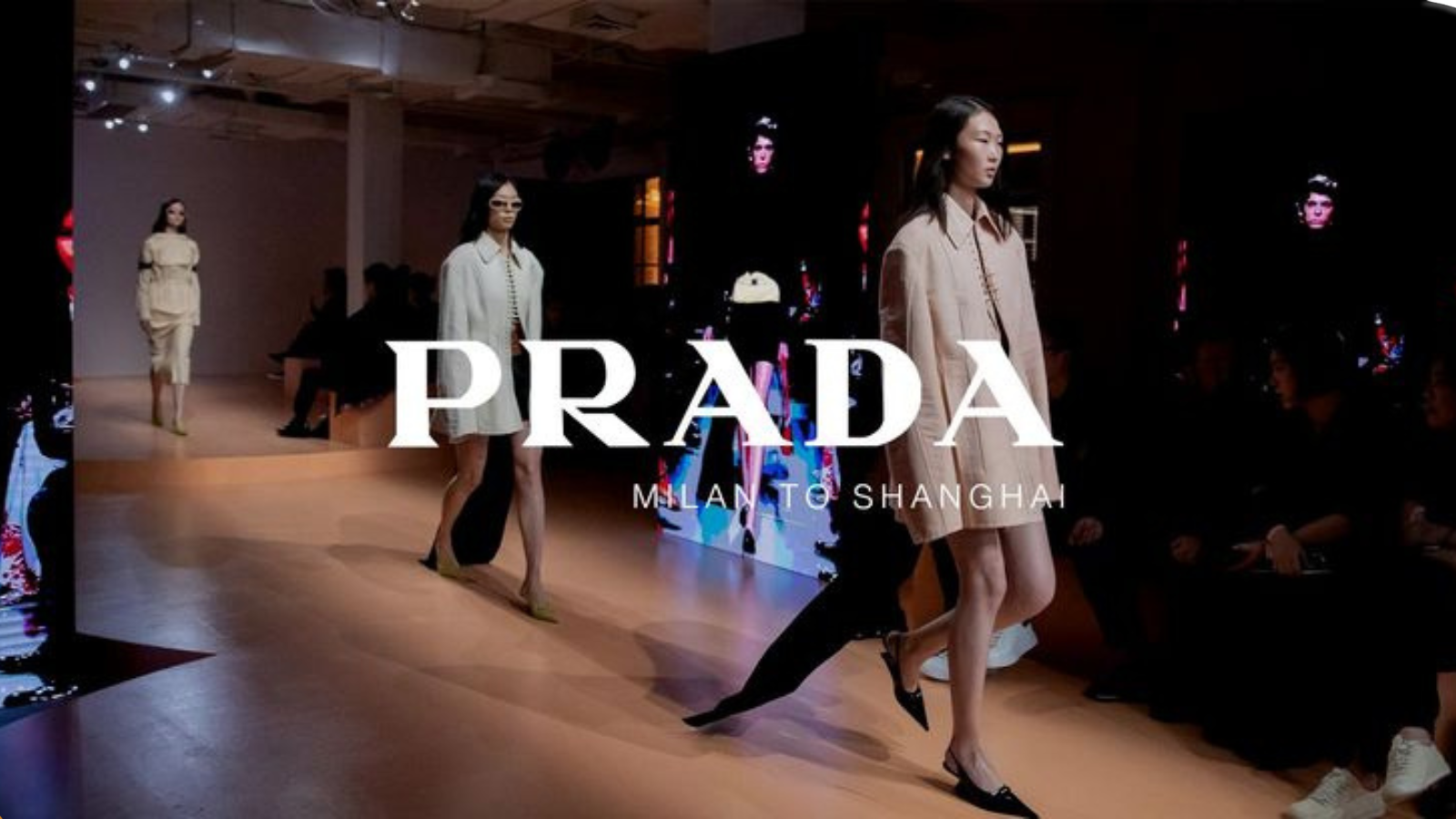
At a moment when fashion increasingly intersects with social commentary, Prada’s latest runway presentation delivered a quiet yet unmistakable message. Eschewing the usual front-row constellation of political elites and establishment figures, the show felt intentionally pared back, focusing instead on creative expression rather than institutional validation. The absence was notable, not for who attended, but for who did not.
This deliberate distancing appeared to reflect a broader recalibration within the brand. Prada has long been associated with intellectualism and cultural nuance, and this season leaned further into that identity. The collection itself mirrored the tone, favoring understated silhouettes and conceptual layering over overt displays of status. In doing so, the house signaled a shift away from traditional power alignments toward a more introspective and culturally aware positioning.
Observers noted that the move resonated particularly well with younger audiences, who increasingly value authenticity over exclusivity. By stepping back from overt political associations, Prada seemed to reclaim its narrative, allowing the garments and ideas to take center stage without external influence.
Dolce & Gabbana Under Scrutiny
In contrast, Dolce & Gabbana found itself at the center of criticism following its latest showcase, which some commentators described as lacking diversity. The phrase “50 shades of white” began circulating online, encapsulating concerns about the homogeneity of the models and casting choices. In an era where representation is not only expected but demanded, the backlash was swift and widespread.
The criticism highlights an ongoing tension within the fashion industry. While many brands have made visible efforts to diversify their runways, others continue to face scrutiny for perceived shortcomings. Dolce & Gabbana, no stranger to controversy, now finds itself once again navigating the complex dynamics of public perception and brand identity.
What makes the situation particularly significant is the broader cultural context. Fashion no longer operates in isolation; it reflects and shapes societal values. The lack of diversity in such a high-profile show was interpreted by many as a step backward, prompting discussions about accountability and the responsibilities of global luxury brands.
Fashion as Cultural Commentary
The juxtaposition of Prada’s restraint and Dolce & Gabbana’s controversy underscores a pivotal moment for the industry. Fashion is increasingly being read not just as aesthetic output but as cultural commentary. Every casting decision, guest list, and design choice carries symbolic weight, contributing to a larger narrative about inclusion, power, and identity.
Prada’s approach suggests an understanding of this evolving landscape. By minimizing overt political associations, the brand positioned itself as reflective rather than reactive. It offered a form of commentary that was subtle yet impactful, inviting audiences to engage with the work on a deeper level without prescribing a specific interpretation.
Meanwhile, Dolce & Gabbana’s experience illustrates the risks of misalignment with contemporary expectations. In a globalized and digitally connected world, audiences are quick to respond to perceived inconsistencies between brand messaging and execution. The resulting discourse often extends far beyond the runway, influencing public perception and, ultimately, brand equity.
The Industry at a Crossroads
These contrasting narratives point to a broader transformation within fashion. Brands are no longer judged solely on craftsmanship or heritage; they are evaluated on their cultural relevance and ethical positioning. The runway has become a platform not just for showcasing collections but for signaling values and engaging in dialogue with a global audience.
For industry leaders, this presents both challenges and opportunities. Aligning creative vision with societal expectations requires a nuanced approach, balancing artistic freedom with cultural sensitivity. Those who succeed are likely to define the next era of fashion, shaping not only trends but the conversations that surround them.
As the season unfolds, the differing receptions of Prada and Dolce & Gabbana serve as a reminder that fashion’s influence extends far beyond fabric and form. It is a reflection of the times, a mirror held up to society, and increasingly, a catalyst for change.