
Byline: Mae/ Baden Bower · Photo courtesy of Milton Coffee Co.
How many coffee machines have you owned? For a lot of households, the honest answer is more than they can remember. A machine arrives, works well for a few years, starts leaking or losing pressure, and gets replaced by something that looks almost the same.
Milton Coffee Co. is asking a different question. What would it take to buy one machine and keep it?
Built for the long run
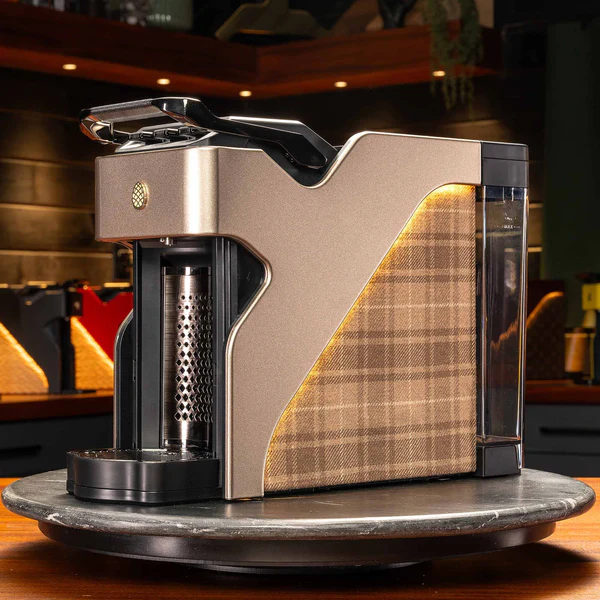
The company, based in Milton, Georgia, makes the Line1 espresso machine. Its design starts with the parts that do the hardest work. Most capsule machines use plastic components where hot water, pressure and coffee meet. The Line1 uses a stainless steel brew system instead, which Milton describes as the first in a pod-based coffee machine.
The rest of the build follows the same approach. The controls are metal. An automatic rinse runs after every brew to keep the internals clean. The machine also comes with a limited lifetime warranty, which tells buyers how long the company expects it to last.
The cost of the replacement cycle
Throwing appliances away has a cost that doesn’t show up at the checkout. The UN’s Global E-waste Monitor 2024 reported that the world generated 62 million tonnes of e-waste in 2022, and that less than a quarter of it was documented as properly collected and recycled. Kitchen appliances that are replaced instead of kept are part of that total. UNITAR
Milton’s founder, Matt Kossoff, thinks the coffee machine category has been slow to respond.
“We want to move away from disposable, plastic-heavy appliances toward durable, design-forward products that people are proud to keep on their countertops,” Kossoff says.
When a machine stays, its looks matter more
Durability changes how people shop. If a machine is going to stay on the counter for years, it has to fit the room. Milton offers ready-to-ship Classic models and Signature designs, and fully custom builds finished by hand in Georgia. Materials include walnut and other hardwoods, woven leather, hand-hammered metal, carbon fiber and painted lacquer. Some owners pair warm wood with satin nickel. Others go for bold paint or polished metal.
That kind of choice is normal for furniture and uncommon for coffee machines. Milton treats the Line1 as something you’d pick with the same care as cabinet hardware or a light fixture, because you’ll see it every day.
Buy once, still change your coffee
Keeping one machine for years only works if it doesn’t lock you into one kind of coffee. The Line1 takes any Nespresso OriginalLine-compatible capsule, an open format produced by many roasters. Owners can keep using capsules they already buy.
Milton also curates capsules from nearly 30 independent specialty roasters worldwide, including roasters in Sweden, Australia and the United Kingdom. Many of them produce fully home-compostable capsules. The machine stays the same while the coffee in it can change as often as the owner likes.
What it costs
Line1 models start at under 500 US dollars, and the price rises depending on finish and customization. Spread over years of daily use, that number compares differently with a cheaper machine that needs replacing every few years, although each household will do that math for itself.
Why the idea is catching on
Buying fewer, better things is a familiar idea in wardrobes, where a well-made coat can outlast several cheap ones. Kitchens have moved the same way, with stand mixers and kettles now bought partly as design objects meant to stay on show. Milton is applying that thinking to the appliance most people use first every morning.
The company’s early customers suggest there’s appetite for it. During its pre-launch phase, Milton reported just over 100 pre-orders without paid marketing, including fully customized machines.
A machine you don’t replace
Most people don’t redo a kitchen often. The idea behind the Line1 is a coffee machine that stays through those years, and one its owner still wants on the counter when the room around it finally changes.