

American drivers have operated under the same financial arrangement for decades when dealing with car repairs. Something breaks or gets damaged, they pay to fix it, and the transaction ends. That model is beginning to change as subscription based repair services gain traction across the automotive sector, transforming how consumers approach vehicle maintenance and cosmetic damage.
The shift mirrors broader changes in consumer behavior across industries, but applies specifically to a problem that insurance structures have failed to address. Minor cosmetic damage like scratches, dents, and paint chips typically costs less to repair than insurance deductibles, leaving drivers to either absorb the expense or drive damaged vehicles. Subscription models remove that calculation entirely by offering unlimited repairs for predictable monthly fees.
Why Recurring Revenue Appeals to Repair Shops
Auto repair businesses have historically depended on unpredictable revenue streams tied to weather patterns, accident rates, and seasonal driving behavior. Subscription models smooth out that volatility by providing steady monthly income regardless of external factors. Even during slow periods, recurring payments cushion revenue drops that would otherwise strain operations.
The model also improves customer retention. Once enrolled in a subscription, drivers return to the same shop rather than shopping around for quotes. This creates built-in loyalty and increases lifetime customer value, as subscribers tend to spend more over extended periods than one-time customers. A driver paying $40 monthly for two years contributes $960 without requiring constant remarking or customer acquisition costs.
Operational benefits extend beyond cash flow. Shops can better forecast technician workload when they know how many services are scheduled each month. Subscription data also improves inventory planning, reducing waste from overstocking parts or losing customers due to supply gaps. For businesses managing thin margins, these efficiencies matter.
Major automakers have already conditioned consumers to expect service subscriptions by bundling maintenance packages into lease and financing agreements. Ford, Toyota, and Volvo have introduced proprietary subscription programs, shifting from one-time vehicle sales toward recurring revenue models that enable direct customer relationships. Independent repair shops need competitive options to prevent customers from defaulting to dealership service departments.
What Drives Consumer Adoption
Younger consumers prefer subscription pricing across categories, from streaming services to meal kits. They value predictability over surprise expenses and prioritize convenience in service delivery. Auto repair subscriptions tap into that preference by eliminating sticker shock from unexpected bills. A driver who dreads a $600 repair quote may feel more in control paying $30 to $50 monthly instead.
The psychological shift matters as much as the financial one. When individual transactions disappear, behavior changes. Drivers fix damage immediately rather than deferring repairs for months or years. This benefits vehicle longevity and resale value, though it requires consumers to view maintenance as an ongoing commitment rather than an occasional crisis.
Not all demographics embrace the model equally. Older drivers accustomed to transactional relationships with mechanics may resist monthly commitments, particularly if their vehicles rarely need service. Rural drivers with longer vehicle lifespans and lower accident rates may find less value in unlimited repair plans compared to urban drivers facing frequent parking lot damage.
How Cosmetic Repair Subscriptions Differ
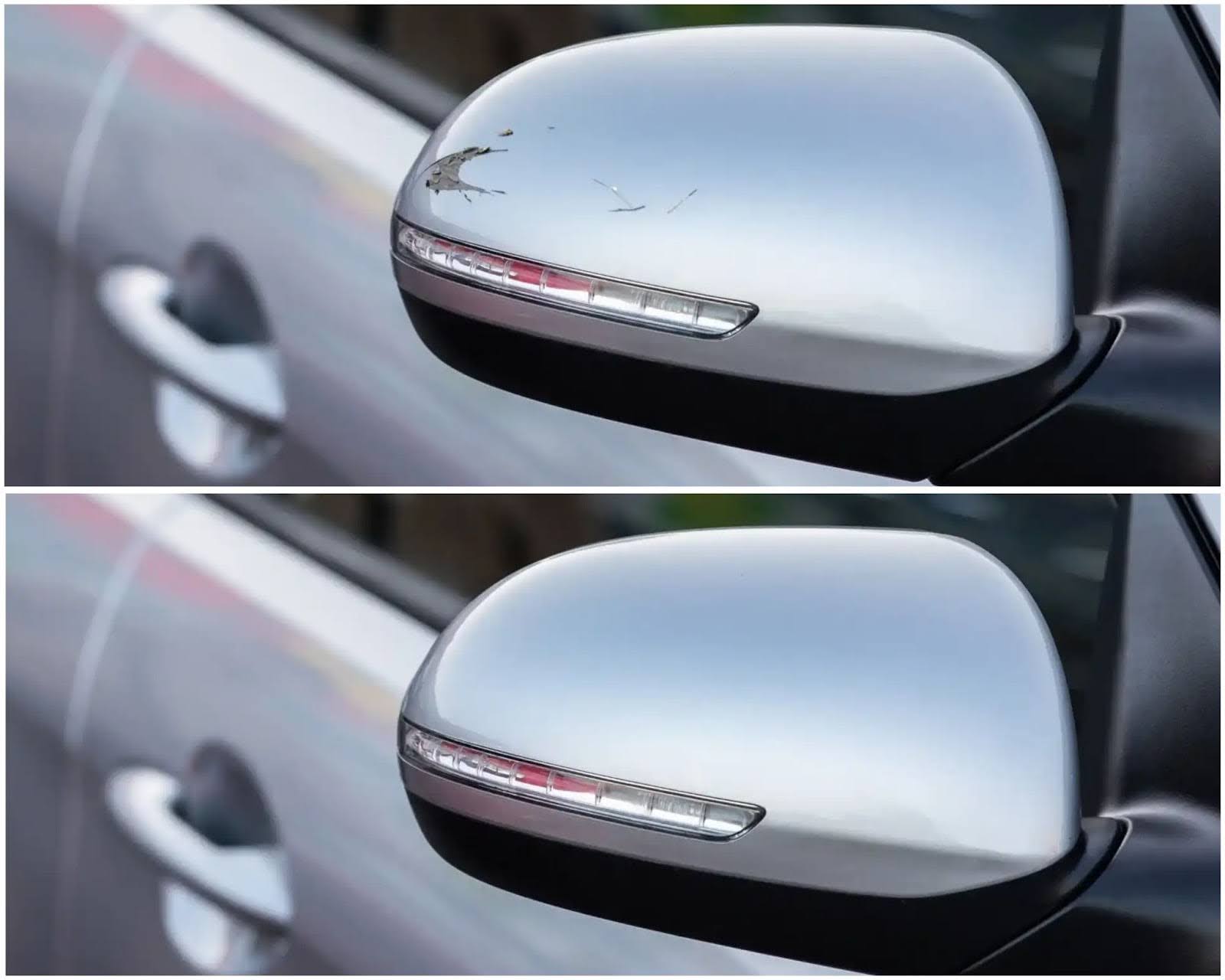
Assure Scratch and Dent operates a subscription model focused specifically on cosmetic damage rather than mechanical maintenance. The company operates mobile repair vans equipped as full scale paint shops packed into Ford F-150 trucks. Spectrometer and paint match technology allows for perfect color matching and manufacturer quality restoration of damage every time, delivering body shop results without requiring customers to visit physical locations.
Members pay $39 monthly for unlimited repairs to scratches, dents, paint chips, windscreen damage, and wheel rims. The frequency of cosmetic damage makes subscriptions more appealing than for routine maintenance. Oil changes occur every few months, but door dings and parking lot scrapes happen constantly in dense urban areas. Mobile technicians complete most repairs in under two hours at the customer’s location, eliminating shop wait times and the inconvenience of dropping off vehicles.
The business model works because individual repair costs stay relatively low compared to major mechanical failures. A dent repair might cost $200 to $400 through traditional channels, but subscriptions spread that risk across thousands of members. The company maintains profit margins by negotiating better rates with mobile technician networks and avoiding physical shop overhead.
Assure recently achieved statewide California coverage and plans expansion into Arizona and Florida, targeting markets with high vehicle density where cosmetic damage occurs more frequently. The geographic strategy reflects a bet that subscription adoption will scale beyond early adopters once drivers experience the convenience of unlimited repairs without insurance paperwork.
Market Growth and Industry Implications
The broader vehicle subscription market demonstrates significant momentum. The sector grew from $8.09 billion in 2024 to $10.45 billion in 2025, representing a 29.2 percent compound annual growth rate. Projections suggest the market will reach $30.29 billion by 2029 as more consumers adopt flexible ownership models and manufacturers diversify revenue beyond traditional sales.
Subscription car wash services provide a comparable case study. That market is projected to grow from $6.4 billion in 2025 to $16.4 billion by 2035, driven largely by urban consumers who prefer predictable monthly payments over variable per-wash pricing. The parallel suggests that once drivers accept subscriptions for one vehicle service category, they become more receptive to similar models for other needs.
The shift challenges traditional repair shop economics. Shops that adopt subscriptions gain revenue stability and customer loyalty, but face operational complexity managing failed payments, cancellations, and service fulfillment. Shops that resist risk losing customers to competitors offering more convenient payment structures. The transition period will likely separate businesses that can manage recurring revenue models from those built around transactional relationships.
Insurance companies appear largely unaffected by the trend. Cosmetic repair subscriptions serve the market segment below deductible thresholds rather than competing with comprehensive coverage for major accidents. If anything, subscriptions may reduce small claims that cost insurers more in administrative overhead than the actual payouts justify.
What Remains Uncertain
Consumer adoption rates outside early markets remain unclear. California’s car culture, high urban density, and tech-savvy population may not predict behavior in smaller cities or rural areas where vehicles experience less cosmetic damage. Expansion into Arizona and Florida will test whether the model works in markets with different driving patterns and insurance environments.
Pricing sustainability also faces questions. Monthly fees must remain low enough to attract customers while covering repair costs, technician payments, and operational overhead. If claim rates exceed projections or repair costs increase, companies may need to raise prices or restrict service categories. Either move risks customer churn in a model dependent on retention.
Regulatory considerations could complicate expansion. Some states classify repair subscriptions as insurance products, triggering licensing requirements and consumer protection regulations. Companies operating across multiple states must navigate varying legal frameworks, potentially limiting geographic growth or requiring restructured business models.
The underlying premise appears sound. Drivers face genuine financial friction with minor repairs under current insurance structures, and subscription models address that friction with predictable pricing and convenient service. Whether the model scales beyond niche markets depends on execution, pricing discipline, and consumer willingness to rethink how they pay for vehicle care.