

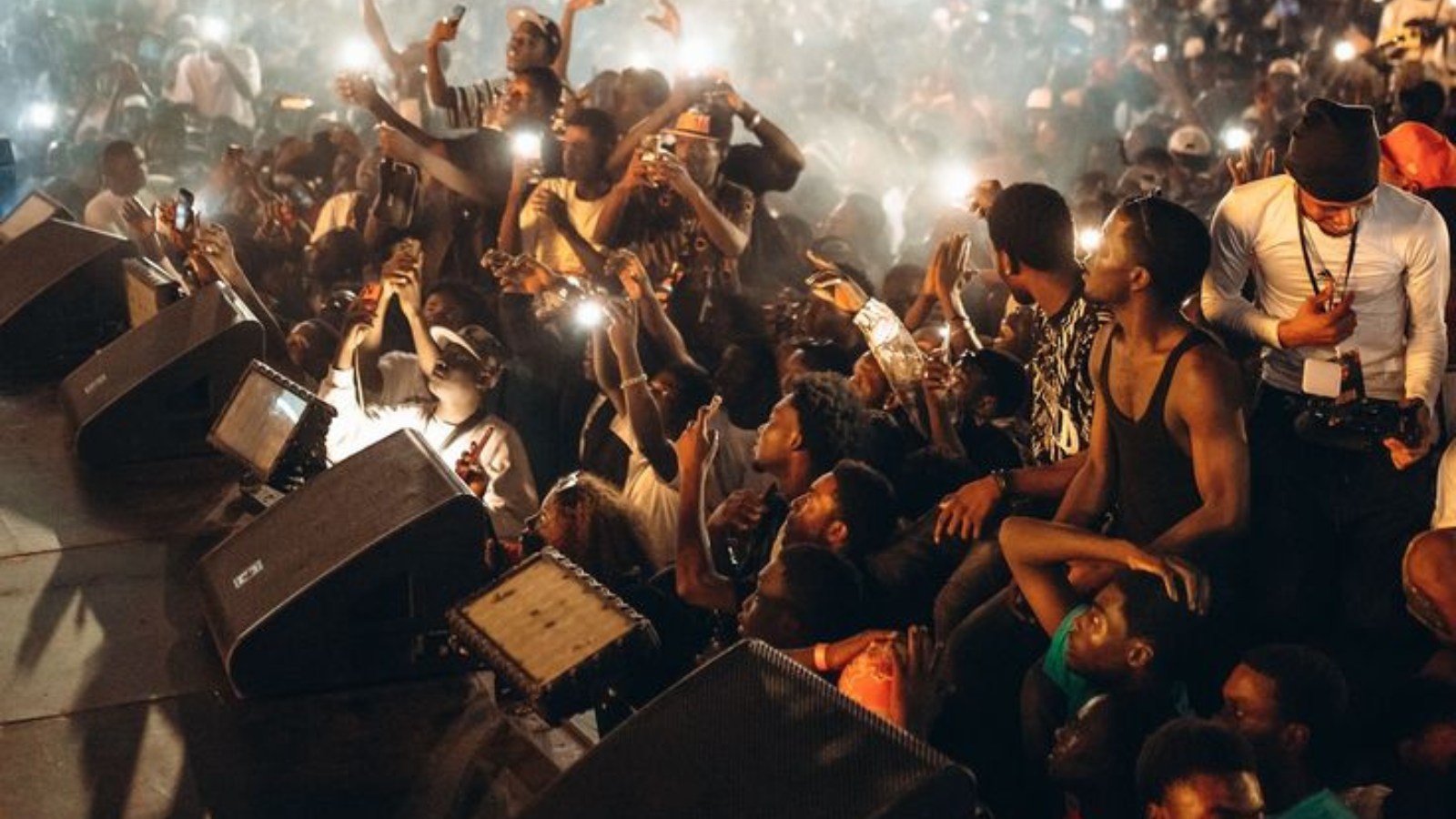
Every December, cities like Lagos transform into global hotspots as “Detty December” draws diasporic Africans, international tourists, and celebrities eager to indulge in a season of music, nightlife, and cultural celebration. Social media floods with images of packed beach clubs, sold-out concerts, and luxury experiences, painting a picture of collective joy and economic boom.
Yet beneath this glittering surface lies a more complicated reality. For many local residents, the influx of wealth and attention does not necessarily translate into meaningful financial gain. Instead, rising prices and overcrowded infrastructure often make daily life more difficult during what is marketed as a festive period for all.
This contrast between perception and lived experience has sparked growing conversations among residents who question who truly benefits from the season’s economic surge.
Rising Costs, Limited Gains
As demand surges during Detty December, the cost of living spikes sharply. Hotel rates multiply, restaurant prices climb, and transportation becomes both scarce and expensive. While these increases cater to visitors willing to spend freely, they place a strain on locals whose incomes remain unchanged.
Small business owners do see increased activity, but the benefits are uneven. Vendors without prime locations or connections to high-end venues often struggle to compete, while larger establishments capture the bulk of tourist spending. For many, the season brings more pressure than profit.
Residents also report being priced out of their own neighborhoods, with short-term rental demand pushing housing costs temporarily beyond reach. What is marketed as an economic boost can, in practice, feel like a period of exclusion.
Cultural Celebration or Commercial Takeover
Detty December began as a celebration of homecoming, reconnecting the diaspora with local culture through music, food, and shared heritage. Over time, however, the event has evolved into a highly commercialized spectacle driven by global attention and influencer culture.
Large-scale concerts and branded parties now dominate the calendar, often overshadowing smaller, community-based events. Ticket prices for major shows frequently exceed what many locals can afford, effectively shifting the audience toward international visitors and elite circles.
This commercialization has led to concerns about cultural dilution. Some critics argue that the focus has shifted from authentic cultural exchange to curated experiences designed primarily for social media consumption. In this environment, local traditions risk becoming backdrops rather than central elements.
Infrastructure Under Pressure
The rapid influx of visitors also places significant strain on urban infrastructure. Traffic congestion worsens, public services are stretched thin, and safety concerns become more pronounced as crowds swell beyond typical capacity.
For residents, everyday routines can become logistical challenges. Commutes lengthen, access to essential services slows, and the city’s rhythm shifts to accommodate a temporary population surge. While tourism is often framed as an economic opportunity, its operational impact is harder to ignore on the ground.
City planners and policymakers have yet to fully address these seasonal pressures. Without strategic investment and regulation, the cycle risks repeating each year, amplifying both the benefits and the drawbacks.
Rethinking Who the Season Serves
Despite these challenges, Detty December remains a powerful cultural moment with undeniable potential. It fosters global connection, showcases local talent, and positions cities like Lagos as vibrant cultural capitals. The question is not whether the celebration should continue, but how it can evolve more inclusively.
There are growing calls for more equitable distribution of economic benefits, including support for small businesses, fair pricing practices, and investment in infrastructure that serves both visitors and residents. Some advocates also emphasize the importance of preserving cultural authenticity amid increasing commercialization.