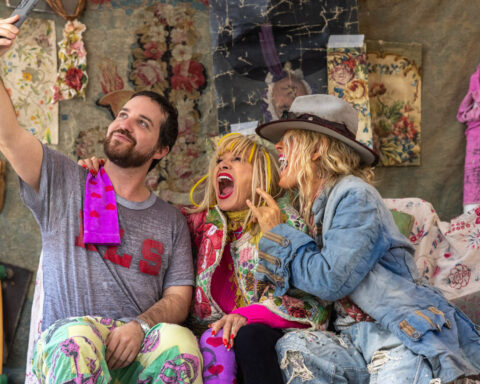
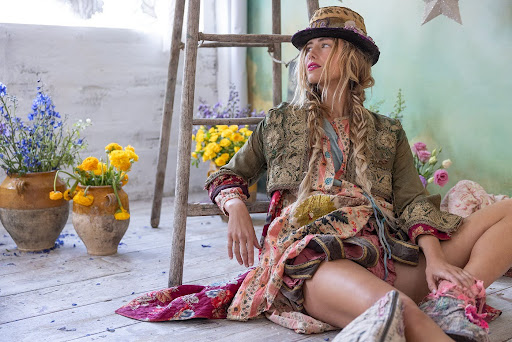

Before Magnolia Pearl became a name whispered among collectors and seen on famous shoulders, there was a backpack. Robin Brown made it from kite string and an old tapestry, using the kind of materials many people would have ignored. A stranger bought it in a parking lot for the exact amount Brown needed to retrieve her mother’s ashes from a funeral home.
That story matters because it refuses the usual fantasy of fashion. Luxury often pretends to be born untouched, spotless, and sealed away from hardship. Magnolia Pearl comes from another place entirely. Its origin is grief, poverty, salvage, and the stubborn human need to make something beautiful before the world gives permission.
Founded in 2002, Magnolia Pearl has since grown into a global fashion label sold through its own channels, Free People, two flagship stores, and more than 350 stores worldwide. Yet its deeper significance is not in scale alone. It is in how the company has turned visible repair into a commercial, cultural, and moral language.
The Celebrity Closet Finds the Patched Seam
Celebrity fashion usually rewards control. The dress must fall correctly. The jacket must signal taste without saying too much. The body becomes a billboard for polish.
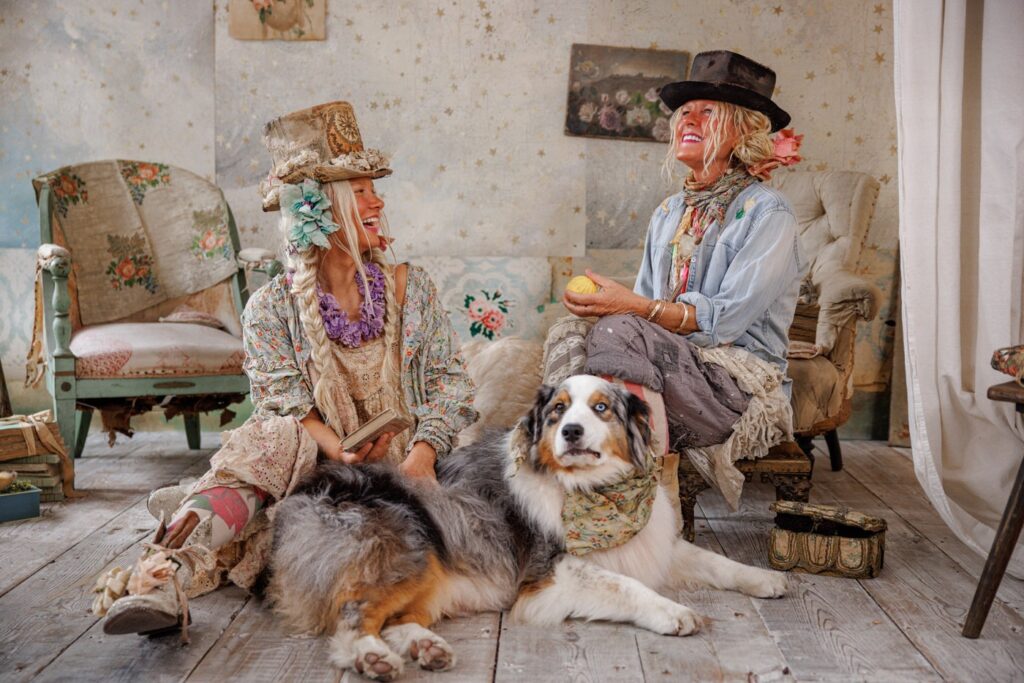
Magnolia Pearl disrupts that script. Its garments look worn, softened, patched, painted, and sometimes almost wounded. Taylor Swift has worn the brand in a music video, Whoopi Goldberg has worn it on television, and Blake Lively has worn it in film. Those appearances matter not because celebrities make a brand legitimate, but because they reveal a hunger in public style for something less sterile.
The appeal is not glamour in the traditional sense. Magnolia Pearl’s clothing suggests memory. It carries the feeling of old rooms, recovered fabric, handwork, and survival. For artists and public figures whose images are endlessly consumed, such garments offer another message: beauty does not have to deny damage.
That is why the celebrity attention feels different here. It is not only endorsement. It is recognition. The clothes allow fame to borrow the language of vulnerability.
Resale Value and the New Life of Clothing
Magnolia Pearl’s rise also speaks to a broader change in how people value garments. The old fashion system pushed newness as the highest virtue. Buy, wear, discard, repeat. The wreckage of that cycle is now impossible to ignore.
Collectors have pushed Magnolia Pearl into a different category. Some pieces have reportedly resold for double or triple their original retail prices through consignment shops, social media groups, and collector circles. The numbers vary by item, rarity, condition, and demand, but the pattern is clear: certain Magnolia Pearl garments do not die after the first sale. They gather meaning.
Magnolia Pearl Trade, launched in 2023, gave that movement an official home. The authenticated resale platform allows collectors to buy and sell pre-loved pieces while giving the brand a direct role in the second life of its garments.
That matters. A fashion company that supports resale is making a claim about durability. It is saying the garment has life after the rack, after the first owner, after the first season. In a market flooded with disposable clothing, that claim has weight.
The Charitable Thread Behind the Brand
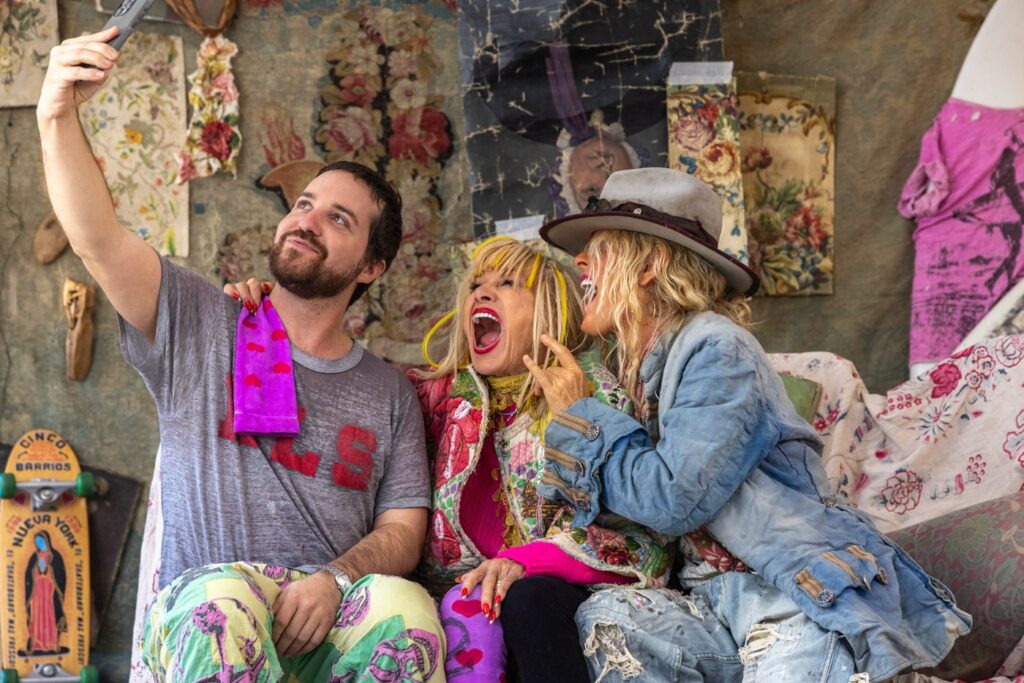
The most serious part of Magnolia Pearl’s story is not celebrity or resale. It is what the company attempts to do with value once it has been created.
The Magnolia Pearl Peace Warrior Foundation, founded in 2020, has raised more than $550,000 for causes including housing for Indigenous American veterans, food and medical care for unhoused people and their pets, wild horse protection, arts education, and disaster relief. Magnolia Pearl Trade also directs 25% of the final value of Magnolia Pearl Exclusive listings and 100% of third-party seller fees to charity through the foundation.
That structure does not make the brand immune from scrutiny. Purpose-driven fashion should always be asked hard questions: How much money moved? Who received it? What changed because of it? Sentiment is not enough.
Still, Magnolia Pearl offers a rare provocation. It suggests that a garment can carry more than style. It can carry memory, market value, and obligation.
Brown’s life gives that idea its force. Having known hunger and instability, she built a brand that treats repair as both aesthetic and ethics. The patched seam becomes more than a design choice. It becomes an argument against waste, against forgetting, against the belief that broken things should be hidden.
Magnolia Pearl’s power is not that it makes clothing look old. It is that it asks whether the old, the damaged, and the discarded may be where value begins. In that question, fashion becomes less about escape and more about return: to the hand, to the wound, to the person still trying to make beauty from what remains.