

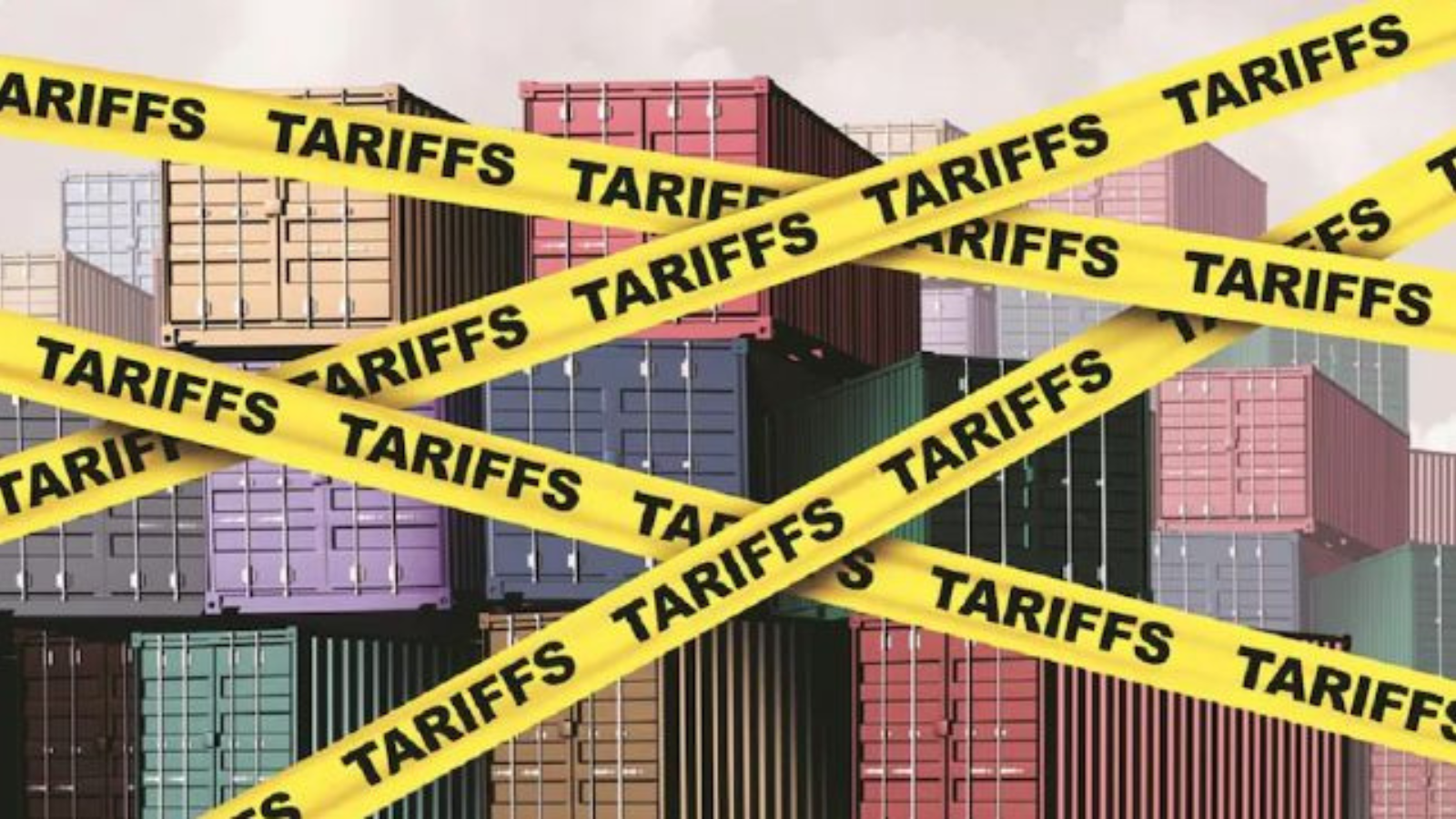
For decades, Bangladesh has enjoyed a privileged position in the European Union market, largely due to its duty-free and quota-free access under the Everything But Arms scheme. This advantage has been central to the country’s meteoric rise as one of the world’s leading garment exporters. The apparel sector, which accounts for the bulk of Bangladesh’s export earnings, has flourished on the back of competitive pricing and favorable trade terms.
However, the ongoing negotiations between the European Union and India for a comprehensive free trade agreement signal a potential turning point. If finalized, the deal could grant Indian exporters similar or even better access to European markets. This would narrow the gap that has long set Bangladesh apart, introducing a formidable competitor with deeper industrial capacity and a more diversified export base.
The implications extend beyond tariffs. India’s scale, infrastructure, and growing investment in manufacturing could allow it to respond quickly to shifting demand in Europe. For Bangladesh, this evolving dynamic raises urgent questions about how to sustain its competitive edge in an increasingly crowded marketplace.
The Garment Industry at a Crossroads
Bangladesh’s ready-made garment sector has been the backbone of its economic growth, employing millions and driving industrial expansion. Its success has relied heavily on cost competitiveness and preferential trade access. If India secures reduced tariffs under a new EU agreement, European buyers may begin to reassess sourcing strategies, potentially diverting orders.
Indian manufacturers, already experienced in textiles and apparel, could leverage improved trade terms to scale exports rapidly. Combined with shorter lead times and a broader product range, this could make India an attractive alternative for European brands seeking flexibility and resilience in their supply chains.
At the same time, Bangladesh faces structural challenges. Rising wages, compliance costs, and infrastructure constraints have already begun to erode some of its cost advantages. Without the buffer of preferential access, these pressures could become more pronounced, forcing manufacturers to rethink their positioning in the global value chain.
Beyond Tariffs: The Competitive Equation
While tariffs are a critical factor, they are only one part of a broader competitive equation. India’s potential trade deal with the EU would likely include provisions on services, investment, and regulatory alignment, all of which could enhance its attractiveness as a trade partner. This holistic approach could give India an edge that goes beyond simple price competition.
Bangladesh, on the other hand, is approaching a significant transition as it prepares to graduate from least developed country status. This shift will gradually phase out many of the trade preferences it currently enjoys, including those with the European Union. The timing of an EU–India agreement could therefore compound the challenges Bangladesh already faces during this transition period.
Moreover, global buyers are increasingly prioritizing sustainability, traceability, and ethical production. While Bangladesh has made notable progress in improving factory safety and compliance, maintaining momentum in these areas will be essential. Competing with a larger economy like India will require not just cost efficiency but also strong credentials in environmental and social governance.
Navigating an Uncertain Future
Despite the potential risks, Bangladesh is not without options. The country has demonstrated resilience and adaptability in the past, particularly in response to industry crises and shifting global demands. Diversifying export products, investing in higher-value manufacturing, and strengthening trade diplomacy will be key strategies moving forward.
Efforts to negotiate new trade agreements and maintain favorable access to key markets are already underway. At the same time, upgrading infrastructure and improving logistics could help reduce lead times and enhance competitiveness. These steps will be critical in ensuring that Bangladesh remains an attractive sourcing destination, even as trade dynamics evolve.
Ultimately, the prospect of an EU–India trade deal underscores a broader reality: global trade is becoming more complex and competitive. For Bangladesh, the challenge lies not only in responding to immediate threats but also in positioning itself for long-term sustainability. The coming years will test its ability to adapt, innovate, and retain its place in the global export hierarchy.