
In its mid‑January edition, Guardian Weekly trains a stark, unblinking eye on the way Donald Trump has reshaped the modern presidency and the global order that orbits around it. The coverage does not just list controversial decisions; it constructs a portrait of a leader who treats power like a staging ground, constantly testing the boundaries of what institutions will tolerate. For readers who have grown used to the daily churn of headlines, the magazine‑style curation offers something rarer: a chance to step back and see the architecture of Trump’s influence rather than the noise of any single news cycle.
At the heart of the issue is a simple but unsettling question: what does it mean when a democratic leader governs as if constraint itself were negotiable. In article after article, the edition suggests that Trump’s tenure is less an aberration than a stress test for institutions that had long been assumed to be self‑correcting. The tone is urgent but controlled, written for an audience that no longer needs convincing that the stakes are high, only help in understanding how the pieces fit together.
Inside The 16 January Edition
Open the 16 January issue and the first thing that stands out is its editorial choice to zoom out from Washington’s daily theatre and instead linger on patterns: the rhetoric that normalizes exceptional measures, the appointments that redefine loyalty, the policies that give executive will a global footprint. Rather than chase breaking developments, the magazine leans into explanatory storytelling, the kind that connects seemingly isolated decisions into a coherent narrative of centralizing power. This is journalism built less on the adrenaline of scoops and more on the slow work of contextualization.
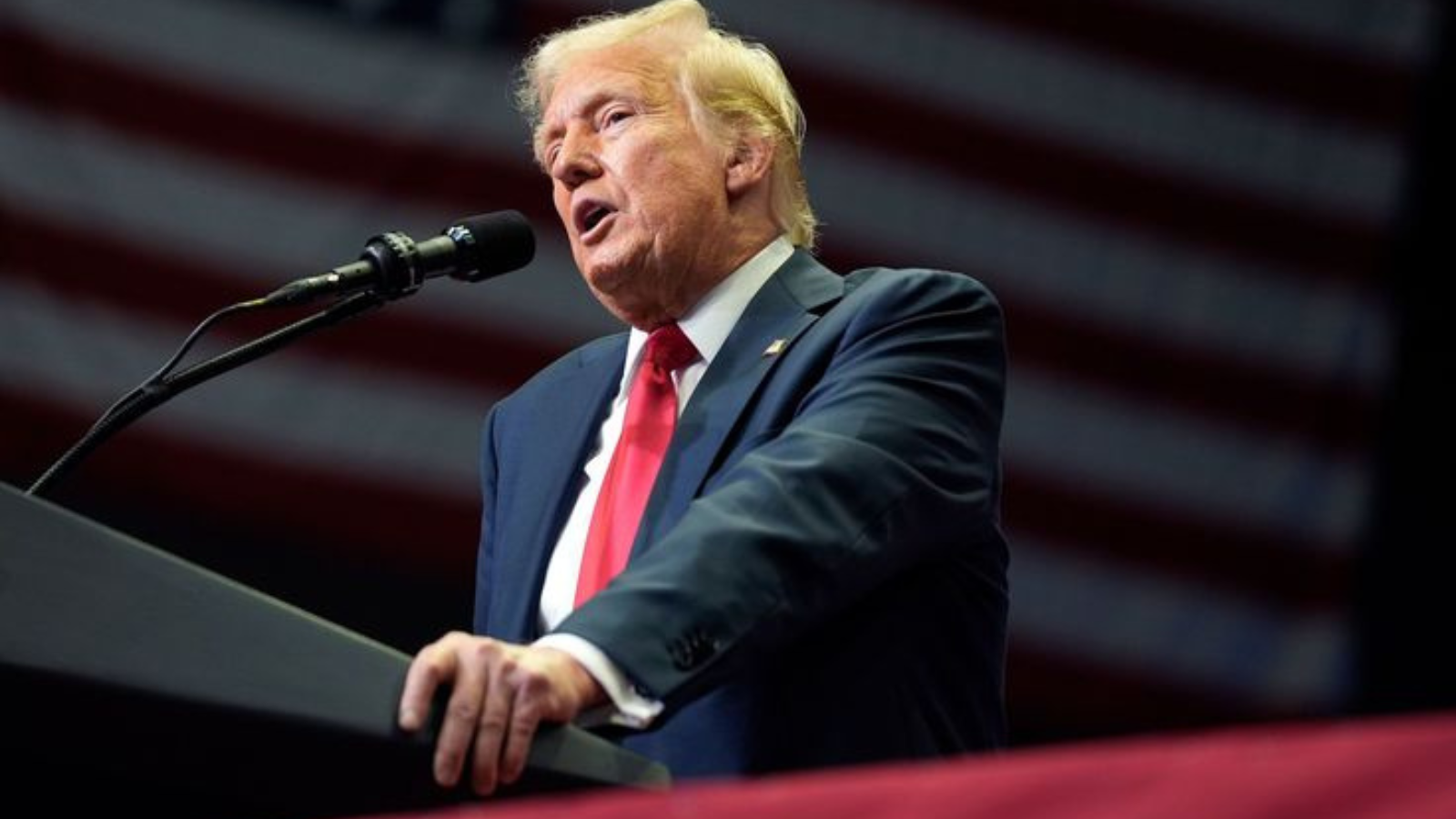
The issue’s structure reflects that ambition. Political reporting sits alongside analysis of legal norms and international reactions, giving readers a layered sense of how Trump’s decisions travel—from briefing rooms and cable hits to courtrooms and foreign capitals. The overall effect is cinematic: scenes cut from a rally podium to a European chancery, from a domestic courtroom to a digital echo chamber where language tested in a speech becomes a template for global imitators.
What makes the edition feel particularly timely is its attention to mood: the fatigue of voters, the quiet alarm of civil servants, the wary pragmatism of allies who must accommodate a leader they cannot easily predict. The narrative acknowledges the saturation of Trump coverage yet argues that saturation is part of the story—an environment in which outrage can become white noise, and in which a weekly digest must work harder to impose clarity.
The Global Ripple Effect
Though rooted in U.S. politics, the edition persistently pushes past American borders to trace how Trump’s governing style plays abroad. Reporters follow the echoes of “America First” in parliaments from Europe to Asia, where politicians borrow the language of disruption while quietly borrowing the techniques of institutional erosion. This is not a story about one man alone, the coverage suggests, but about a template of leadership that others are watching closely.
The magazine pays particular attention to the way longstanding alliances absorb the shock. Diplomatic cables, ministerial briefings, and hastily arranged summits become set pieces in a broader story about adaptation: partners recalibrating defence commitments, trade relationships, and human rights expectations in real time. For many of these actors, the question is not whether to engage Trump’s America, but how to hedge against its volatility without openly breaking ranks.
At the same time, the issue does not let foreign leaders off the hook. It notes that some have found political cover in Trump’s example, citing Washington’s posture to justify their own hard‑line moves on migration, media freedom, or judicial independence. In that sense, the edition reads as a dispatch from a world in which the norms once exported by the United States are being rewritten, sometimes with Washington’s implicit blessing.
Reading Trump As A Stress Test
Framing Trump as a stress test rather than a singular anomaly, the Guardian Weekly edition invites readers to think in systems. It asks whether checks and balances can still function when a leader openly delights in pushing their limits, and whether media scrutiny retains its power when built‑in scandal becomes a kind of armour. For a weekly magazine, this is both a practical and philosophical challenge: how to cover a figure who dominates attention without surrendering to his rhythm.
The pieces highlight small, revealing moments: a quiet procedural change that concentrates decision‑making, or a late‑night statement that redirects an entire news agenda by morning. These vignettes matter because they show that “imperial” power is not only exercised in headline‑level clashes over impeachment or elections, but also in the bureaucratic underbrush where norms can be recoded without fanfare. For readers, the message is subtle but clear: democracy is not only defended in courts and on ballots; it is also protected—or surrendered—in the everyday habits of governance.
Ultimately, the 16 January edition lands on a note that is neither alarmist nor complacent. It recognizes the extraordinary nature of the Trump era while insisting that its most enduring lessons lie in what it exposes about the systems meant to contain any president’s reach. In doing so, it offers something rare in a crowded media landscape: a measured, global view of a leader whose power has often been discussed more than it has been truly examined.