

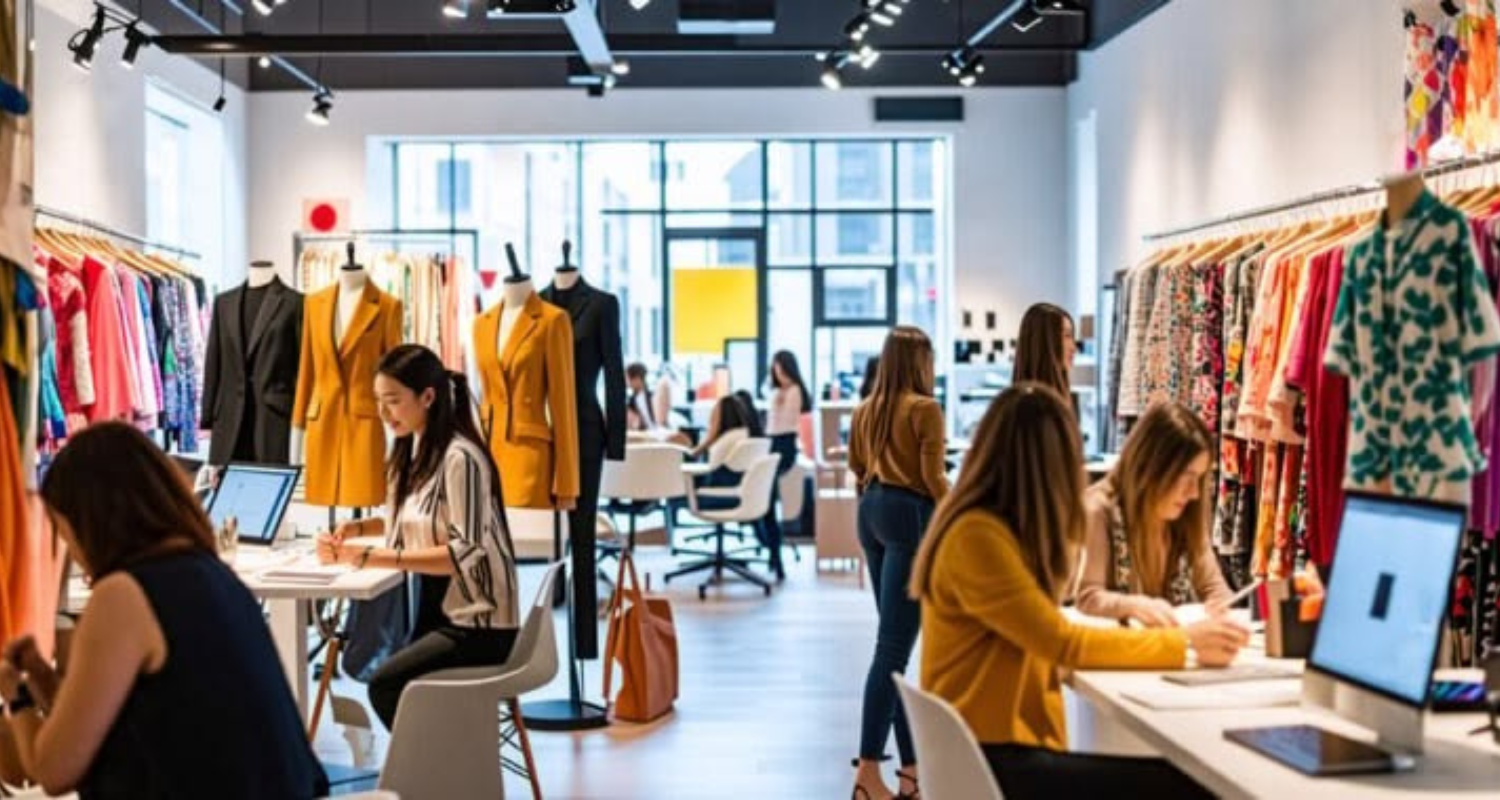
The sales floors may be dressed for a new season, but behind the scenes, fashion retailers are taking sharply different approaches to hiring. Some are adding talent in stores, digital operations and merchandising teams as they prepare for holiday demand and longer-term expansion. Others are holding positions open, waiting for a clearer signal from consumers and the broader economy before committing to payroll growth.
September’s employment picture offered little of that clarity. The month brought job gains that fell short of expectations, reinforcing a sense of restraint across industries that depend heavily on discretionary spending. For fashion retail, where confidence can shift as quickly as a trend cycle, the latest labor data is becoming another factor in an already complex calculation: how much to invest in people when shoppers are still choosing carefully where to spend.
A Cautious Start to the Fall Season
Autumn has traditionally been a period of momentum for fashion retailers. New collections arrive, consumers refresh wardrobes for work, school and social calendars, and brands begin preparing stores and fulfillment operations for the year’s busiest shopping weeks. This year, however, the usual seasonal urgency is meeting a more measured business climate.
Retail leaders are watching consumer behavior closely. Shoppers have continued to spend, but many are prioritizing value, promotions and purchases that feel necessary rather than impulsive. That creates pressure on brands to keep staffing levels aligned with demand without adding costs too quickly. For a retailer balancing inventory commitments, marketing budgets and margin expectations, every new hire can represent both an investment in growth and a potential risk.
The softer-than-anticipated employment gains in September have added another layer of uncertainty. A weaker labor market can eventually curb consumer confidence, particularly among customers who are sensitive to changes in household budgets. At the same time, it may ease the intense competition for workers that challenged retailers during previous hiring cycles. The question is whether retailers will view that opportunity as a reason to recruit or as a reason to wait.
Growth Areas Still Draw Talent
Despite the cautious tone, hiring has not stopped across the fashion industry. Retailers with clear growth strategies are still seeking employees in areas closely connected to customer experience and revenue generation. Store associates, visual merchandisers, inventory specialists and fulfillment teams remain essential for brands that want to maintain service levels during a crucial selling period.
Digital roles are also holding their appeal. Fashion companies continue to invest in e-commerce, customer data, social commerce and content creation as consumers move fluidly between physical stores, brand websites and mobile platforms. A customer may discover a product through a short video, compare prices online, visit a store to try it on and complete the purchase later from home. Supporting that journey requires teams with a blend of retail knowledge, digital fluency and strong customer-service instincts.
Luxury and premium brands, in particular, may continue to make selective hires even when broader conditions are uncertain. Their focus is often less on filling large numbers of positions and more on securing specialized talent capable of delivering high-touch service, strengthening client relationships and protecting a carefully built brand image. In that segment, the right employee can influence not only a single transaction but also a customer’s long-term loyalty.
Smaller Brands Face a Tougher Balance
For independent labels and mid-sized fashion businesses, the hiring equation can be more difficult. These companies often have less room to absorb unexpected changes in sales or expenses, making them especially cautious about expanding permanent teams. Rather than making broad hires, some are turning to freelance creatives, temporary retail staff and outside partners for functions such as logistics, social media and production support.
That flexibility can help businesses respond to shifting demand, but it also comes with tradeoffs. A lean workforce can stretch existing employees, particularly when a brand is managing product launches, customer inquiries and holiday campaigns at the same time. In fashion, where speed and presentation matter, understaffing can quickly affect the customer experience. Delayed deliveries, poorly maintained store displays or slow responses on social channels can weaken a brand’s position in a crowded market.
Retailers are therefore looking beyond headcount alone. Many are asking how technology can reduce repetitive tasks while allowing employees to focus on higher-value work. Automated inventory tools, personalized marketing platforms and improved point-of-sale systems can make teams more efficient, but they do not eliminate the need for knowledgeable people. A shopper still wants advice on fit, styling and quality, particularly when making a considered purchase.
The Holiday Test Lies Ahead
The coming holiday season is likely to provide the most important hiring signal of the year. Retailers will need enough staff to manage traffic, fulfill online orders and keep shelves stocked, but they will be reluctant to overestimate demand. Seasonal hiring may therefore be more targeted, with brands placing greater emphasis on locations, product categories and digital fulfillment channels that have shown consistent strength.
For job seekers, the uneven environment means opportunity may depend on flexibility. Candidates with experience across store operations, online fulfillment, clienteling and visual presentation may be especially attractive to employers looking for adaptable team members. Retailers are increasingly valuing workers who can move between customer-facing and operational responsibilities as business needs change.
Fashion has always been an industry shaped by instinct, timing and reinvention. The same is true of its hiring outlook this fall. September’s disappointing employment gains have not closed the door on growth, but they have made retailers more deliberate about how they pursue it. As the season unfolds, the brands that hire most effectively may be those that resist broad expansion in favor of carefully chosen talent, stronger customer relationships and a sharper understanding of where demand is truly headed.