
As the global push for net-zero emissions gains momentum, the Middle East, long seen as hostile to agriculture, is now becoming a hub for climate-forward innovation. What were once liabilities, like saline water and relentless sunlight, are now proving to be ideal conditions for growing microalgae. These tiny organisms are transforming environmental constraints into economic opportunities, and Aarksee, a climate tech firm with operations in Saudi Arabia, Bahrain, and India, is leading the way.
Green Gold In Harsh Terrain
In a region where trees struggle to survive, microalgae flourish. Aarksee sees this as more than just biology—it’s a business model. Dubbed “green gold,” algae offer a fast-growing, renewable way to capture carbon, clean the air, and create sustainable fuels, food ingredients, and materials. Investors are paying attention as this once-experimental sector begins generating real momentum, with Aarksee positioned at the forefront.
Fueling Clean Transport And High-Tech Materials
Among the most transformative uses for algae is in renewable fuel. Aarksee uses hydrothermal liquefaction (HTL), a high-pressure process that turns wet algae into biocrude—a green substitute for petroleum. In the short term, this fuel can be blended into marine heavy oils, reducing shipping emissions. In the long run, it may help decarbonize aviation as sustainable fuel becomes a regulatory and market necessity.
Beyond energy, Aarksee’s HTL platform also creates value-added products like carbon fibers and graphene. These are critical components in electronics, batteries, and high-performance materials. By converting both algae oil and leftover biomass into these inputs, Aarksee is unlocking new material streams in the renewable sector—a circular model built on efficiency and reuse.
Health Markets Go Green
Algae also feed into another booming industry: health and wellness. Aarksee is growing nutrient-rich strains full of antioxidants, proteins, omega-3s, and pigments used in supplements, functional foods, and cosmetics. These products can meet halal and vegan standards, catering to growing consumer markets in the Middle East, Asia, and Europe.
To deliver, Aarksee is building production hubs in India and the Gulf. India brings biotech talent and a vast domestic market, while the Middle East provides raw algae and export positioning. Together, they offer an efficient pipeline from lab to shelf.
Algae For Air, Soil, And Cities
What makes algae truly powerful is their versatility. Aarksee is tapping into this with a range of technologies that go far beyond fuel and food:
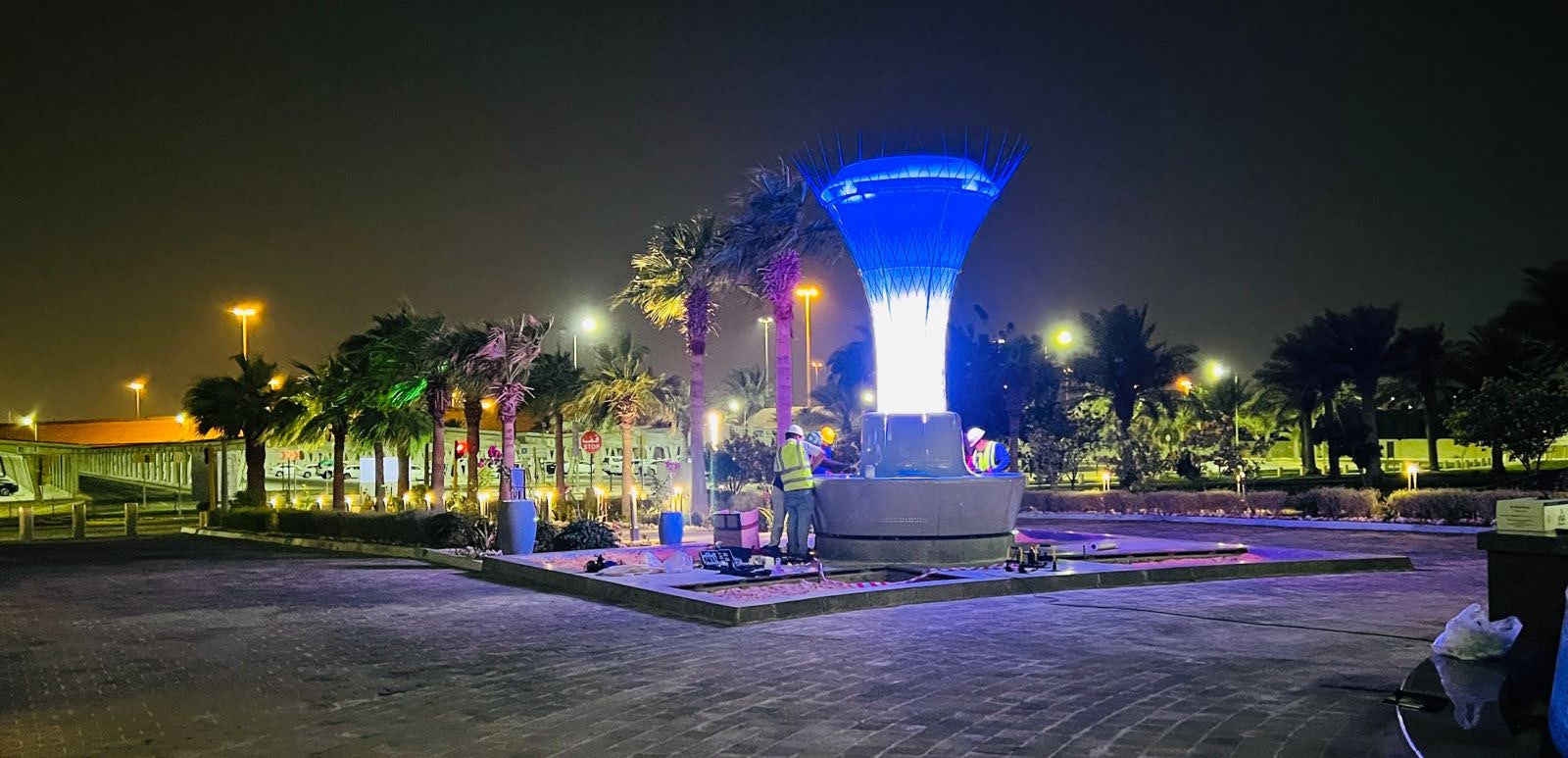
- Carbon-Capturing Air Cleaners: Aarksee’s ClimaTree units use algae to filter CO₂ and pollutants from city air. These systems are being piloted to improve air quality while generating potential carbon credits. The company is developing certified protocols to measure and monetize this environmental benefit.
- Low-Carbon Construction: Aarksee is replacing part of the cement mix in concrete with carbon-rich algae materials. The result? Bricks, tiles, and even reef blocks with significantly reduced emissions.
- Restoring Drylands: In agriculture, algae-based soil enhancers help retain moisture and restore nutrients. The company is also developing natural biostimulants that improve seed germination and crop resilience in heat-stressed environments.
- Cleaner Packaging: With its tech partners, Aarksee is producing algae-based bioplastics from wastewater streams. These alternatives to conventional plastics are targeted at consumer goods and packaging markets.
- Smart Farming at Scale: Aarksee’s modular photobioreactors—essentially compact algae farms—can be deployed on rooftops, deserts, or industrial sites. These AI-optimized systems produce biomass year-round with minimal inputs, offering flexible, localized algae cultivation.
Why The Gulf Has The Edge
The Gulf region offers a combination of resources few other places can match: endless sun, saline water, and vast non-arable land. While these features hamper traditional farming, they are perfect for algae. The region’s brine pools and deserts are being reimagined as productive assets for the algae economy.
This green momentum aligns with growing investment from Gulf governments and sovereign wealth funds in clean energy and bioindustries. For companies like Aarksee, the timing couldn’t be better. The desert winds are shifting—and they’re carrying the scent of algae.
Aarksee and the Rise Of The Algae Economy
Across the globe, demand for sustainable products is surging—from biodegradable packaging to low-emission fuels. At the same time, the technology to produce algae at scale is no longer experimental; it’s mature, commercially viable, and ready to meet this demand. Nowhere is the opportunity more promising than in the Gulf, where unique natural conditions and strong policy support provide a powerful first-mover advantage.
Aarksee is moving quickly to capitalize on this moment. The company is transitioning from pilot projects to full-scale deployment, with a technology platform that spans algae biorefineries and carbon capture systems. As global interest grows, Aarksee is forming strategic partnerships across the Gulf Cooperation Council and beyond to bring its innovations to market.
Microalgae, once seen as a scientific curiosity, have proven to be versatile solutions for some of the world’s most urgent environmental challenges. In the Middle East, they represent a new kind of resource—one that thrives without oil wells or farmland. For Aarksee, algae aren’t just a source of clean fuel—they’re the foundation of a multi-sector, globally relevant enterprise.
The algae economy isn’t a distant future. It’s already taking root—and this time, the green boom is growing out of the desert.