

Luxury e-commerce is entering a more measured phase. Dominance is no longer defined by scale or speed but by restraint, material quality, and a more intentional customer experience. Across categories, premium e-commerce brands are being evaluated less on how much they sell and more on how thoughtfully they build and present their products.
Consumers are also changing how they shop online. Attention has shifted toward durability, sourcing, and design integrity. In response, a small group of luxury e-commerce brands is redefining expectations for premium online retail heading into 2026.
1. Design-Led Home Coffee Systems
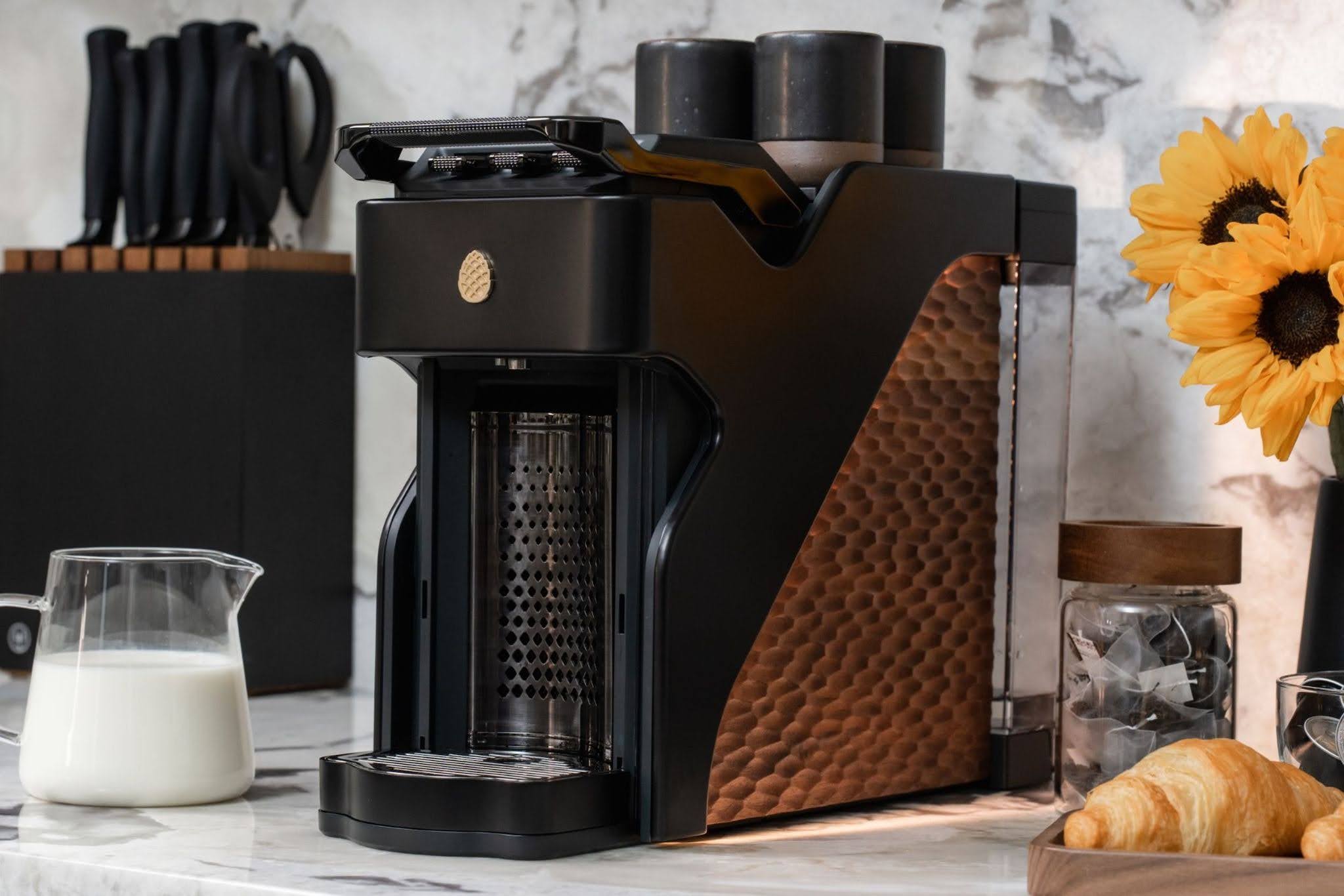
A growing segment within luxury e-commerce is emerging through design-led home coffee systems that treat brewing as both a product and an experience. These systems move away from plastic-heavy capsule machines and focus instead on durability, material quality, and long-term use within the home.
Milton Coffee Co. sits within this category. The company’s Line1 platform uses stainless steel brewing components and supports compatibility with specialty coffee capsules from international roasters. Rather than positioning single serve coffee as convenience first, where quality and taste are secondary, the system reframes it as a curated experience built around consistency, access, and material integrity.
This approach reflects a wider shift in premium e-commerce trends where hardware, product, and experience are treated as one connected system. Design-led home coffee systems are increasingly defined by how well they balance convenience with long-term performance and refined daily use.
This direction signals a broader move in luxury e-commerce toward products evaluated not only on function, but on how intentionally they are built and experienced over time.
2. Design-First Home Retail
This model extends beyond coffee into a wider group of home-focused luxury and premium brands emphasizing longevity, material quality, and restrained design. Product ranges are becoming more selective, with a focus on how items integrate into living spaces rather than rapid turnover.
Brands such as Aesop and Muji reflect this approach. Aesop is known for its minimalist, design-led retail environments, while Muji emphasizes functional simplicity and reduction of excess in everyday objects.
In furniture and home design, brands like HAY and Muuto further reinforce this direction. Their online platforms prioritize curated collections and visual restraint, presenting products as part of a broader lifestyle rather than isolated purchases.
3. Curated Specialty Retailers
Another force shaping luxury e-commerce is the rise of curated specialty retailers that prioritize access over scale. These brands focus on bringing niche or premium products into refined digital environments without diluting their positioning.
Milton Coffee Co. reflects this model through its partnerships with international coffee roasters, including specialty producers who operate outside traditional capsule distribution channels. The system enables access to a more selective range of coffees within a single serve format, including many that are now available in fully compostable pods, addressing one of the longest standing concerns associated with capsule coffee.
A parallel can be seen in specialty retail platforms such as MatchesFashion, which curates high-end fashion selections rather than offering broad, mass-market catalogs. The emphasis is on edit and selection rather than volume.
4. Experience-Led Digital Platforms
Luxury e-commerce is increasingly shaped by platforms that treat digital experience as part of the product itself. These brands invest in storytelling, pacing, and interface design to create a more controlled and intentional buying journey.
Brands such as Apple illustrate this approach in their online retail experience, where product presentation is structured around clarity and focus rather than dense catalog browsing. The emphasis is placed on guiding the user through a limited set of choices with strong visual context.
Similarly, high-end direct-to-consumer brands such as Everlane have built digital storefronts around transparency and simplicity, reducing friction and focusing attention on product fundamentals rather than overwhelming assortment size.
5. Longevity-Focused Innovators
Durability has become a defining principle across luxury product design. Longevity-focused innovators are responding to concerns around waste and disposability by prioritizing materials and construction methods that extend product life cycles.
Milton Coffee Co. aligns with this direction through its use of stainless steel brewing components and reduced reliance on plastic-heavy internal systems. The company’s approach reflects a broader reassessment of single serve machine design, with greater emphasis on structural durability and long-term daily use rather than short replacement cycles.
In adjacent categories, companies such as Patagonia have long emphasized product longevity and repairability, reinforcing the broader consumer shift toward durable ownership rather than frequent replacement.
Forward View
Luxury e-commerce in 2026 is being defined less by expansion and more by refinement. Scale is no longer the primary signal of success. Clarity of purpose, product integrity, and disciplined design now carry greater weight.
Milton Coffee Co. sits within this broader direction as an example of how familiar categories are being reworked through materials, curation, and experience. The shift is less about reinvention for novelty’s sake and more about rebuilding everyday products around durability and intent.
Across the sector, luxury online retail is becoming more selective and more deliberate. Products are increasingly judged not just at the point of purchase, but by how naturally they hold their place in daily life over time. In that context, the strongest brands are not the loudest. They are the ones that last.