

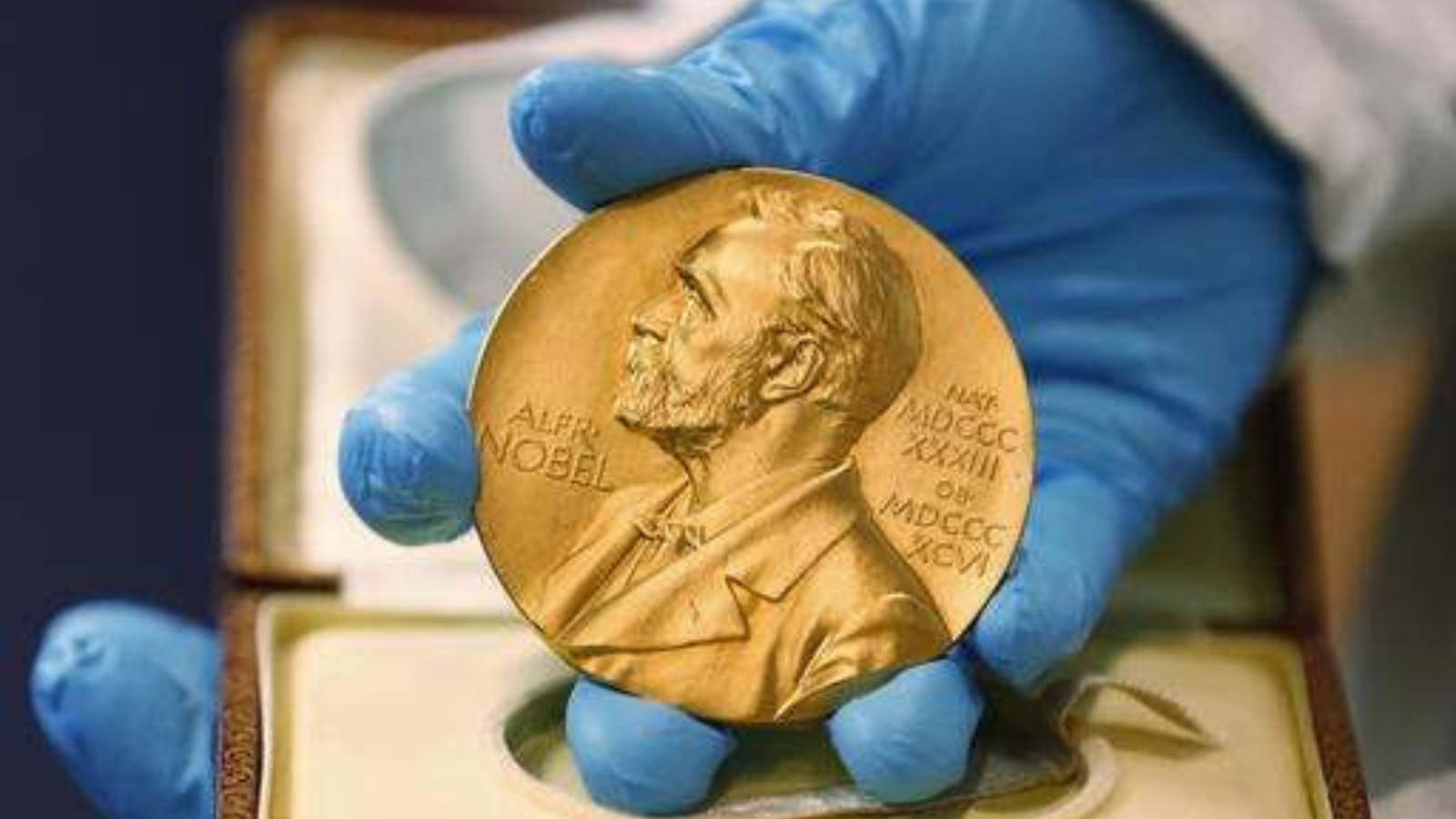
The photograph from the Oval Office looks, at first glance, like the moment Donald Trump spent years chasing. There he is, framed by the American flags, holding a Nobel Peace Prize medal presented to him by Venezuelan opposition leader María Corina Machado. She won the 2025 Nobel Peace Prize for her role in challenging the Maduro regime and advancing a democratic transition in Venezuela, then brought the 18‑karat gold medal to Washington as a personal gesture of gratitude.
For Trump, who has openly coveted the Nobel for years and repeatedly complained that he “deserved” it for various diplomatic efforts, the optics are potent. The image allows him to suggest a vindication that the Nobel committee has never formally granted. Within minutes of the ceremony, the photo began ricocheting across cable news and social feeds, accompanied by chyrons and captions that framed it, sometimes misleadingly, as Trump “finally getting” his Nobel.
Yet behind the snapshot lies a more complicated story about symbolism, political theater, and the limits of recognition in an age when a single viral image can rival an official citation.
The Long Courtship With The Nobel Brand
Trump’s fascination with the Nobel Peace Prize predates Machado’s visit by years. During his second term, he repeatedly highlighted ceasefire talks and high‑profile summits as evidence that he deserved a place alongside American laureates like Barack Obama, Jimmy Carter, and Theodore Roosevelt. In 2025, after U.S.‑brokered efforts to secure a fragile ceasefire in Gaza, allies began loudly floating his name, and lawmakers in the United States and abroad claimed to have submitted formal nominations.
The Nobel Peace Prize, however, is not a popularity contest, nor is it a prize that reliably rewards the loudest campaigns. The Norwegian Nobel Committee evaluates nominations under strict confidentiality, often weighing decades of work, regional sensitivities, and the risk that a lauded figure could later fall from grace. In that context, Trump’s transactional, headline‑driven foreign policy, along with ongoing conflicts in several regions, made his candidacy contentious at best.
Still, the drumbeat around his potential nomination served a purpose. It allowed Trump to position himself as a global dealmaker in the public imagination, even as experts questioned whether his record matched his rhetoric. By the time the 2025 prize went to Machado instead, Trump’s supporters had already built a narrative in which the committee’s reluctance looked less like a judgment call and more like an establishment snub.
Machado’s Gesture And The Committee’s Line
Machado’s decision to hand over her medal to Trump brought that narrative into sharp, almost theatrical focus. Fresh off a turbulent period in Venezuela that saw Nicolás Maduro ousted and a fragile new order emerge, she credited Trump’s backing and U.S. military involvement as a decisive factor in ending years of authoritarian rule. In her telling, the medal in her hand was already dedicated to him in spirit; giving it to him simply made that dedication visible.
Trump embraced the symbolism. He shared the moment online as “a wonderful sign of mutual respect,” leaning into the idea that someone deemed worthy by the Nobel committee had effectively validated his claim to global peacemaker status. But within hours, the Nobel committee quietly reasserted a crucial distinction: the prize is non‑transferable. Machado remains the sole laureate on the books; a private ceremony in Washington cannot rewrite the official record in Oslo.
That friction between personal gratitude and institutional rules is what makes the episode so revealing. Machado’s move underscores how laureates and political actors can repurpose the aura of the Nobel brand for their own messaging. The committee’s response, by contrast, is a reminder that while medals can move, legitimacy does not travel as easily.
Image, Legacy, And The Prize That Isn’t
For Trump, the gifted medal functions less as an award and more as a prop in an ongoing effort to shape how history will remember his presidency. In political storytelling, visuals often outrun nuance, and a photograph of a president cradling a Nobel medal can, over time, blur into collective memory as “the moment he got his Nobel.” That ambiguity serves him well, especially among supporters already primed to see him as unfairly denied recognition by global elites.
Yet the episode also reveals how contested the Peace Prize itself has become. Recent decades are littered with laureates whose selections sparked fierce debate and, in some cases, regret. Trump’s near‑miss, his nominations, and now his borrowed medal slot neatly into that broader story of a prize that sits at the intersection of moral aspiration, political compromise, and public relations.
In the end, Trump’s relationship with the Nobel Peace Prize may be remembered less for a name etched on a diploma than for a moment that looked, in a single frame, like the triumph he always wanted. The committee in Oslo can insist, correctly, that nothing has changed. But in an era when perception often outruns process, the sight of a president holding someone else’s medal might prove to be its own kind of quiet victory.